- 0086-571-85302990
- [email protected]





Lycopene
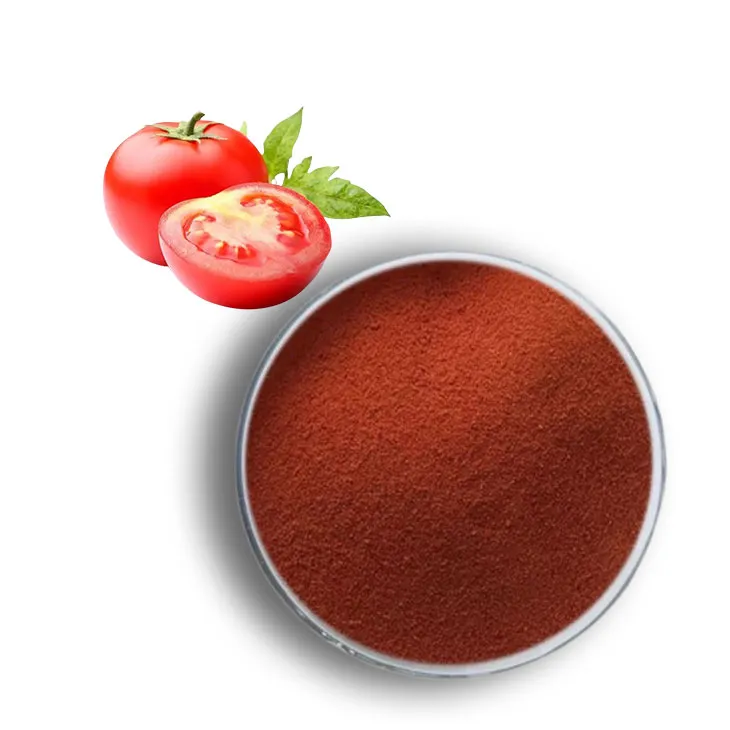
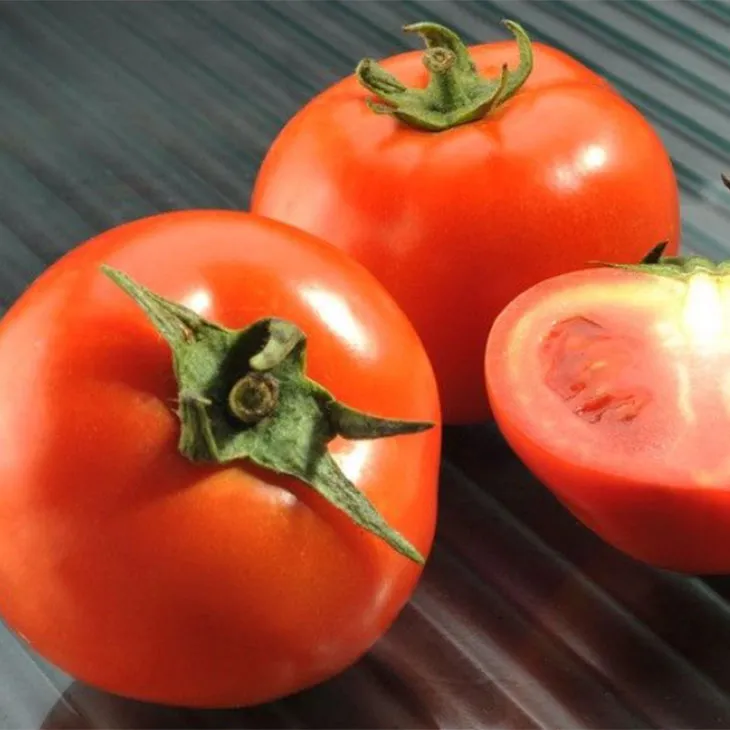
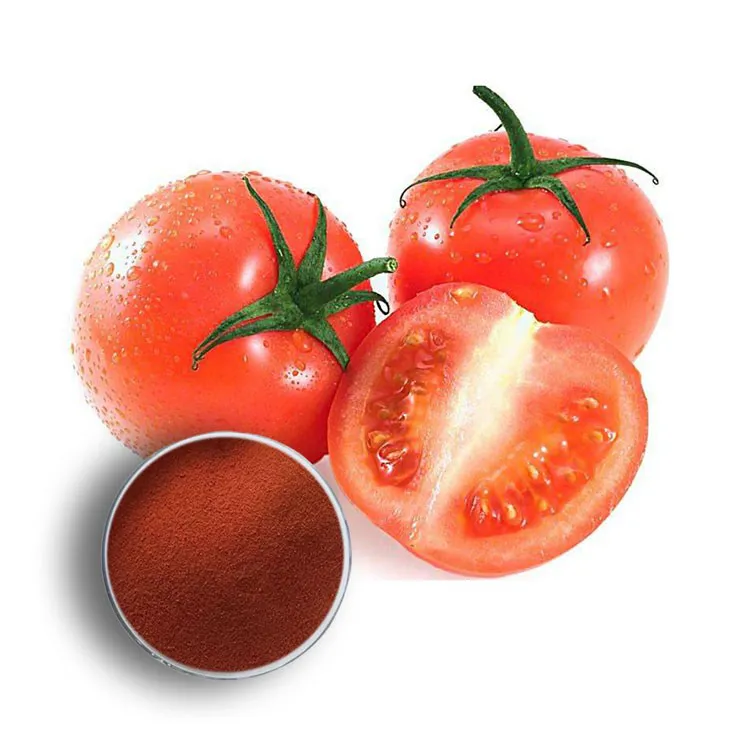
Lycopene is a vibrant red carotenoid pigment best known for its abundance in ripe tomatoes. Unlike many other antioxidants, Lycopene possesses one of the highest singlet-oxygen quenching capacities among all naturally occurring carotenoids — approximately twice that of beta-carotene and 100 times greater than vitamin E. With decades of epidemiological and clinical research linking Lycopene intake to cardiovascular health, prostate health, and skin photoprotection, it has become one of the most sought-after functional ingredients in the global nutraceutical and food industries.
Part 1: What Is Lycopene?
Botanical Source
Lycopene (C₄₀H₅₆) is a naturally occurring carotenoid found in red and pink fruits and vegetables:
Tomato (Solanum lycopersicum) — the richest and most commercially significant source
Watermelon (Citrullus lanatus) — emerging source with unique isomer profiles
Pink grapefruit (Citrus paradisi)
Guava (Psidium guajava) — exceptionally high concentration
Papaya (Carica papaya)
Extraction Methods
Method Description Advantages Solvent Extraction Organic solvents (hexane, ethyl acetate) from tomato paste High yield, cost-effective Supercritical CO₂ Extraction Food-grade CO₂ under high pressure Solvent-free, premium grade Enzymatic-Assisted Extraction Cellulase/pectinase pretreatment before solvent extraction Enhanced yield, green process
Key Active Components
All-trans-lycopene: The predominant natural isomer; highest antioxidant activity
Cis-lycopene isomers (5-cis, 9-cis, 13-cis): Better bioavailability; formed during processing
Co-carotenoids: Beta-carotene, phytoene, phytofluene (naturally co-extracted from tomato)
Specifications We Offer
Specification Lycopene Content Form Typical Use Lycopene 5% 5% (HPLC) Oil suspension / Beadlets Beverages, dairy fortification Lycopene 6% 6% (HPLC) Oil suspension Softgel manufacturing Lycopene 10% 10% (HPLC) Beadlets / Powder Capsules, tablets Lycopene 20% 20% (HPLC) Beadlets High-potency supplements Lycopene 50% 50% (HPLC) Crystalline powder API intermediate, research Lycopene 90% 90%+ (HPLC) Crystalline powder Pharmaceutical grade, analytical standard
Quality Testing
HPLC quantification of all-trans and cis-lycopene isomers
Residual solvent analysis (for solvent-extracted grades)
Heavy metals (Pb, As, Cd, Hg) —必须符合 USP/EP limits
Microbiological testing per food-grade standards
Particle size distribution (for beadlet and powder grades)
Stability testing under ICH conditions (25°C/60% RH and 40°C/75% RH)
Part 2: Core Benefits & Mechanisms of Action
1. Potent Antioxidant & Cellular Protection
Lycopene is among the most effective singlet-oxygen quenchers in nature. Its extended system of conjugated double bonds (11 conjugated, 2 non-conjugated) enables efficient energy dissipation from reactive oxygen species (ROS), protecting lipids, proteins, and DNA from oxidative damage.
Research: Di Mascio et al. (1989, Archives of Biochemistry and Biophysics) demonstrated that lycopene has the highest physical quenching rate constant among carotenoids tested, making it the most efficient singlet oxygen quencher.
2. Prostate Health Support
Epidemiological studies consistently associate higher dietary lycopene intake with reduced risk of prostate-related health issues. Lycopene accumulates preferentially in prostate tissue, where its antioxidant and anti-proliferative properties may contribute to cellular health.
Research: A meta-analysis by Chen et al. (2015) in Medicine found that high lycopene intake was associated with a significantly reduced risk of prostate cancer across multiple cohort studies.
3. Cardiovascular Health
Lycopene supports cardiovascular function through multiple pathways: reducing LDL oxidation, improving endothelial function, and modulating inflammatory markers. Clinical trials have shown reductions in LDL cholesterol and blood pressure with lycopene supplementation.
Research: Ried & Fakler (2011) in Maturitas conducted a meta-analysis showing that lycopene supplementation at doses ≥12 mg/day significantly reduced systolic blood pressure in hypertensive patients.
4. Skin Health & UV Photoprotection
Oral lycopene supplementation has been shown to increase the skin's natural defense against UV-induced erythema and photoaging. Its lipophilic nature allows accumulation in skin tissues, providing internal photoprotection.
Research: Rizwan et al. (2011) in the British Journal of Nutrition found that tomato paste rich in lycopene (40 g/day for 12 weeks) significantly increased skin's protection against UV-induced erythema by approximately 40%.
5. Bone Health
Emerging research suggests lycopene may play a role in reducing oxidative stress in bone tissue, potentially slowing bone loss and supporting bone mineral density in postmenopausal women.
Part 3: Wide-Ranging Applications
Dietary Supplements & Nutraceuticals
Softgel capsules (oil-based lycopene for optimal absorption)
Tablet formulations using beadlet grades
Combination products with saw palmetto, selenium, or zinc for men's health
Standard dosing: 5–30 mg per serving
Functional Foods & Beverages
Fortified juices, dairy products, and functional water
Tomato-based sauces and condiments with enhanced lycopene content
Energy bars and nutritional supplements
Water-dispersible beadlet grades enable use in clear beverages
Cosmetics & Personal Care
Anti-aging creams and serums leveraging antioxidant and photoprotective properties
Sun care products as a complementary UV defense ingredient
Lipophilic lycopene oil for oil-based cosmetic formulations
Animal Nutrition
Poultry feed additive to improve egg yolk coloration and meat pigmentation
Aquaculture feed for salmonid flesh pigmentation
Pet food for coat health and antioxidant support
Pharmaceutical & Clinical Nutrition
High-purity lycopene (90%+) as a reference standard for analytical laboratories
Clinical trial material for investigating therapeutic applications
Enteral nutrition formulations for hospitalized patients
Part 4: How to Choose a High-Quality Lycopene Supplier
Source Verification
Confirm the botanical source (tomato is most common; watermelon is emerging)
Synthetic lycopene exists — always request botanical origin documentation
For tomato-derived products, verify the tomato variety and growing region
Extraction Technology
Supercritical CO₂ extraction yields the cleanest, solvent-free product
Beadlet technology (microencapsulation) significantly improves stability and water dispersibility
Ask about the isomer ratio — cis-lycopene has superior bioavailability
Stability & Shelf Life
Lycopene is sensitive to light, heat, and oxygen
Request stability data under ICH conditions
Proper packaging (nitrogen-flushed, light-proof containers) is essential
Typical shelf life: 24 months when stored correctly
Regulatory Documentation
FDA GRAS status for food and supplement use
EFSA Novel Food approval for EU market
Kosher, Halal, and non-GMO certificates available upon request
Full COA with each batch including HPLC chromatograms
Form Selection Guide
Form Best For Storage Oil suspension Softgels, emulsions Cool, dark place Beadlets (10%) Tablets, capsules, beverages Room temperature, sealed Crystalline powder (50–90%) API, research, high-potency Refrigerated, nitrogen-flushed
Part 5: About Our Company
With extensive experience in carotenoid and botanical extract supply, we provide a complete range of lycopene products designed for diverse market applications:
Full specification range: 5% to 90%+ lycopene, available as oil suspension, beadlets, and crystalline powder
Tomato and watermelon sources: Flexibility to match your product positioning and cost requirements
Advanced beadlet technology: Water-dispersible, heat-stable formats for beverage and food applications
Comprehensive quality documentation: COA, MSDS, GRAS letters, Kosher/Halal certificates, and allergen statements
Custom formulation support: Blending with complementary actives (vitamin E, selenium, coenzyme Q10)
Regulatory consulting: Assistance with market entry requirements in the US, EU, and Asia-Pacific regions
Reliable supply: Strategic inventory management ensuring consistent availability and competitive pricing
Conclusion & Call to Action
Lycopene is a scientifically validated, commercially versatile, and consumer-recognized ingredient that continues to expand its market presence across supplements, functional foods, cosmetics, and animal nutrition. With its unparalleled antioxidant capacity and growing body of health-support evidence, lycopene represents a strategic ingredient choice for forward-looking product developers.
Looking for a reliable lycopene supplier? Contact us now for current pricing, free samples, and technical consultation. Whether you need standard tomato-derived lycopene or premium CO₂-extracted grades, our team will help you find the right specification for your application.
Request a Quote | Free Sample Available | Technical Consultation
| Specification Item | Description |
|---|---|
| Product Name | Lycopene |
| CAS Number | 502-65-8 |
| Appearance | Reddish brown fine powder |
| Specification | 5%-95% Lycopene |
| Form | Powder |
| Source | Extracted from tomatoes |
| Applications | Health supplements, food & beverage, cosmetics, pharmaceuticals |
| Storage Conditions | Stored in a cool, dry place, avoiding exposure to sunlight and moisture |
| Packaging | Safe and compliant with transport standards |
| Supply Capacity | Customized based on demand |
| Shipping | Express/Air/Sea |
| Delivery Time | Dependent on order volume and destination |
| Price | Based on specifications and demand |
| Minimum Order Quantity | Contact for quotation |