- 0086-571-85302990
- [email protected]



Bilberry Extract
2026-04-03
Bilberry Extract
Introduction
For centuries, the humble bilberry has been foraged in the forests of Northern Europe. Modern science now confirms what traditional wisdom long held: its potent extract is a powerhouse of bioactive compounds with remarkable versatility for health and wellness.
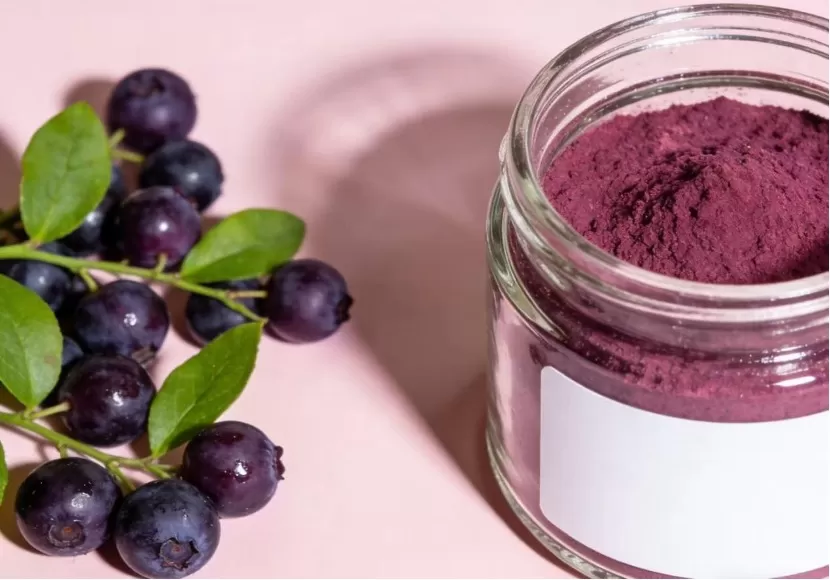
Part 1: What is Bilberry Extract?
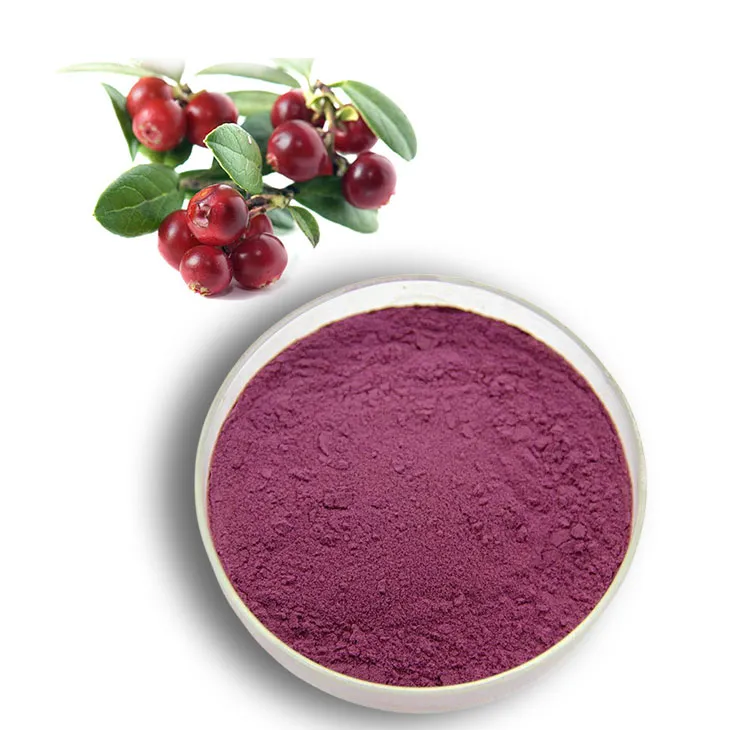
Bilberry (Vaccinium myrtillus L.) is a low-growing shrub native to the cool, northern climates of Europe and North America. Often mistaken for its cousin the blueberry, the bilberry is typically smaller, darker, and contains a distinct profile of potent compounds.
1. Source Plant Part: The ripe fruit (berry) is exclusively used for high-quality extracts.
2. Key Active Components: The star compounds are a rich concentration of anthocyanins—the flavonoids responsible for the deep blue-purple hue. These pigments are the primary markers of activity, with extracts often standardized to a guaranteed anthocyanin content, such as 25% or 36%.
3. Standardized Specification: A premier industry standard is Bilberry Extract, 25% Anthocyanins.
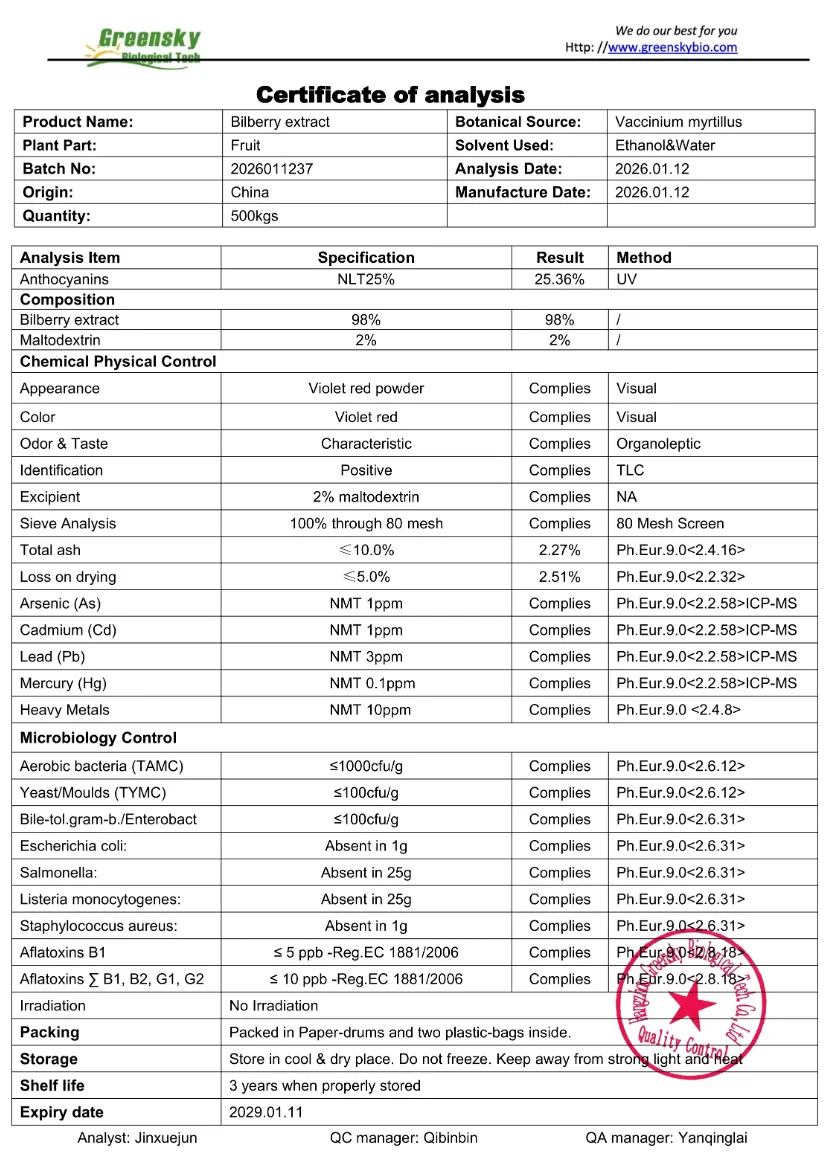
4. Quality Documentation: Reputable suppliers provide detailed Certificates of Analysis (CoA) verifying anthocyanin potency via HPLC, alongside testing for contaminants like heavy metals, pesticides, and microbes.
Part 2: Core Benefits and Science-Backed Mechanisms
The exceptional health profile of bilberry extract is driven by its high anthocyanin content. Here’s how the science translates into tangible benefits:
1. Potent Antioxidant Activity: Anthocyanins are powerful scavengers of free radicals. By mitigating oxidative stress—a key factor in cellular aging and various health challenges—they provide foundational support for overall well-being.
2. Vision and Eye Health Support: This is the most renowned benefit. Research indicates anthocyanins support the microcirculation of the eyes and promote the regeneration of rhodopsin, a retinal pigment critical for low-light vision. They also deliver targeted antioxidant protection to delicate ocular tissues.
1. Supporting Research: A study in Molecular Nutrition & Food Research highlights how bilberry anthocyanins are taken up by retinal tissues, exerting protective effects against light-induced damage and supporting visual function.
2. Anti-Inflammatory Action: Chronic inflammation is a root contributor to many modern health issues. Bilberry anthocyanins help modulate the body's inflammatory response by influencing key pathways, such as inhibiting the activation of the NF-κB protein complex.
3. Cardiometabolic Support: Emerging evidence suggests bilberry extract promotes healthy vascular function, aids in maintaining balanced blood lipid levels, and supports healthy blood sugar metabolism, thanks to its synergistic antioxidant and anti-inflammatory properties.
Part 3: Diverse Application Industries
Bilberry extract’s proven efficacy and natural origin make it a highly versatile ingredient across multiple markets.
1. Dietary Supplements & Nutraceuticals: The primary application. Formulated into capsules, tablets, and softgels targeting eye health, antioxidant support, and cardiovascular wellness.
2. Functional Foods & Beverages: Incorporated into health-forward products like "focus" gummies, wellness bars, smoothie blends, and fortified juices, adding both color and function.
3. Cosmetics & Personal Care: Highly valued in premium skincare (especially anti-aging and serums) for its protective antioxidant capacity against environmental stressors. Also used in formulations aimed at reducing the appearance of under-eye darkness.
4. Animal Nutrition: Utilized as a natural, potent antioxidant in premium pet supplements (e.g., for senior pet eye and brain health) and specialized livestock feed to enhance animal vitality.
Part 4: Choosing a Premium Bilberry Extract: A Buyer's Guide
Quality is paramount. Here are the key criteria for selecting a superior extract:
5. Standardized Potency: Ensure the extract is standardized to a consistent, verified percentage of total anthocyanins (e.g., 25%). This guarantees reliable biological activity in your end product.
6. Advanced Production: Inquire about the extraction methodology. Gentle, controlled processes like solvent extraction and purification are essential to preserve the integrity of the sensitive anthocyanin molecules.
7. Transparency & Verification: Always request and review full, third-party Certificates of Analysis. These should confirm both potency (anthocyanin profile) and purity (safety from contaminants).
8. Supplier Credentials: Partner with suppliers who demonstrate traceability from source, adhere to strict Good Manufacturing Practices (GMP), and possess relevant quality certifications (e.g., ISO, Organic).
Part 5: About Us – Your Expert Partner in Plant Extracts
At Greensky, we bridge traditional herbal value with modern scientific rigor. We provide premium-grade Bilberry Extract that forms a reliable foundation for your innovative products.
Our Commitment to Excellence:
1. Guaranteed Quality & Consistency: Our Bilberry Extract is meticulously standardized to 25% Anthocyanins, with every batch supported by transparent, comprehensive CoAs.
2. Technical Expertise & Customization: Our R&D team collaborates with you to develop tailored specifications or custom blends for unique applications.
3. Sustainable & Secure Supply Chain: We have established direct, ethical sourcing relationships and robust production systems to ensure a stable, high-quality supply.
Conclusion and Call to Action
Bilberry extract offers a compelling combination of historical use, strong scientific validation, and broad market applicability. It is an ideal ingredient for formulators seeking to create effective, nature-inspired products for health and beauty.
Interested in integrating top-quality Bilberry Extract into your formulations? Contact our specialist team today to request a complimentary sample, discuss your specific requirements, and receive a detailed quotation. Let's explore how we can support your next successful product launch.
References
1. Kalt, W., Cassidy, A., Howard, L. R., et al. (2020). Recent Research on the Health Benefits of Blueberries and Their Anthocyanins. Advances in Nutrition, 11(2), 224–236. https://pubmed.ncbi.nlm.nih.gov/31329250/
2. Matsumoto, H., Nakamura, Y., Tachibanaki, S., Kawamura, S., & Hirayama, M. (2003). Stimulatory effect of cyanidin 3-glycosides on the regeneration of rhodopsin. Journal of Agricultural and Food Chemistry, 51(12), 3560–3563. https://pubmed.ncbi.nlm.nih.gov/12769522/
3. Miyake, S., Takahashi, N., Sasaki, M., Kobayashi, S., Tsubota, K., & Ozawa, Y. (2012). Vision preservation during retinal inflammation by anthocyanin-rich bilberry extract: cellular and molecular mechanism. Molecular Nutrition & Food Research, 56(4), 545-554. https://pubmed.ncbi.nlm.nih.gov/22351133/
4. Yamaguchi, M., & Yamamoto, M. (2019). Anti-inflammatory Effects of Bilberry (Vaccinium myrtillus L.) and its Bioactive Compounds. In Bioactive Food as Dietary Interventions for Arthritis and Related Inflammatory Diseases (pp. 615-623). Academic Press.
TEST REPORT
- ▶ Hesperidin
- ▶ Citrus Bioflavonoids
- ▶ Plant Extract
- ▶ lycopene
- ▶ Diosmin
- ▶ Grape seed extract
- ▶ Sea buckthorn Juice Powder
- ▶ Fruit Juice Powder
- ▶ Hops Extract
- ▶ Artichoke Extract
- ▶ Mushroom extract
- ▶ Astaxanthin
- ▶ Green Tea Extract
- ▶ Curcumin
- ▶ Horse Chestnut Extract
- ▶ Other Product
- ▶ Boswellia Serrata Extract
- ▶ Resveratrol
- ▶ Marigold Extract
- ▶ Grape Leaf Extract
- ▶ New Product
- ▶ Aminolevulinic acid
- ▶ Cranberry Extract
- ▶ Red Yeast Rice
- ▶ Red Wine Extract
- ▶ blog
-
Green coffee bean Extract
2026-04-03
-
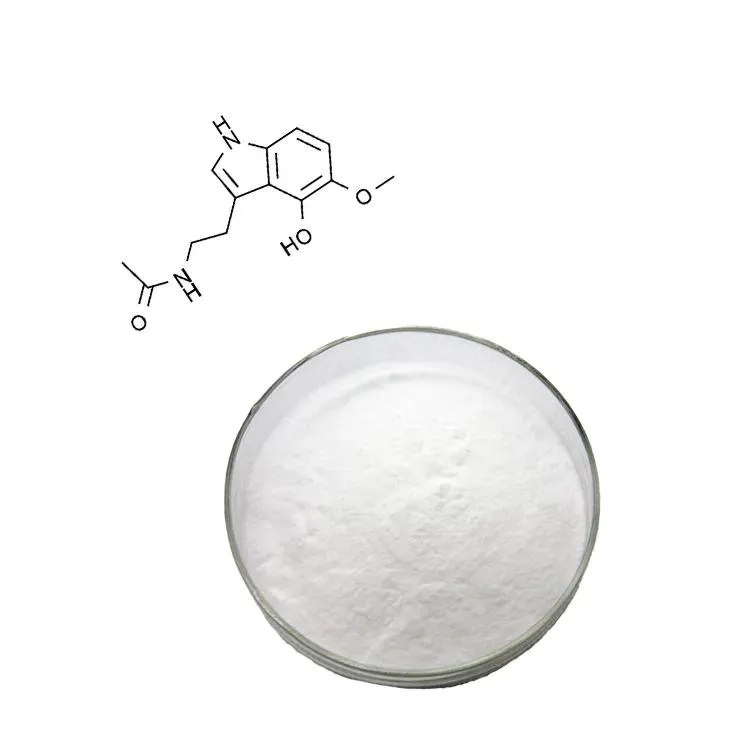
melatonin
2026-04-03
-
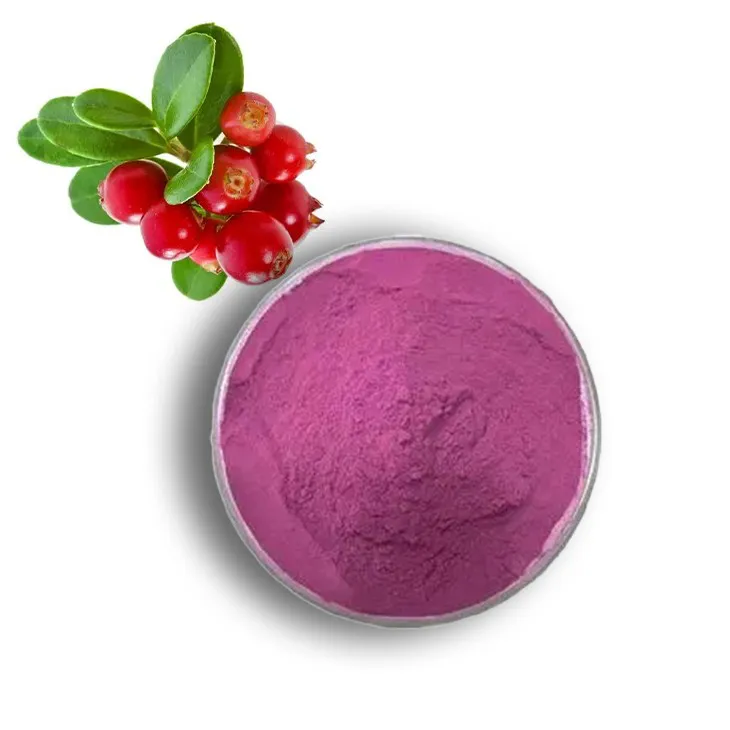
Europen Bilberry Extract
2026-04-03
-
Ivy Extract
2026-04-03
-
Citrus Aurantium Extract
2026-04-03
-
Curcumin
2026-04-03
-
American Ginseng Root Extract
2026-04-03
-
Lemon Juice Powder
2026-04-03
-
Oat Straw Extract Powder
2026-04-03
-
Stevia Extract
2026-04-03