- 0086-571-85302990
- [email protected]




Curcumin Extract: Complete Guide to Anti-Inflammatory Science
2026-11-14
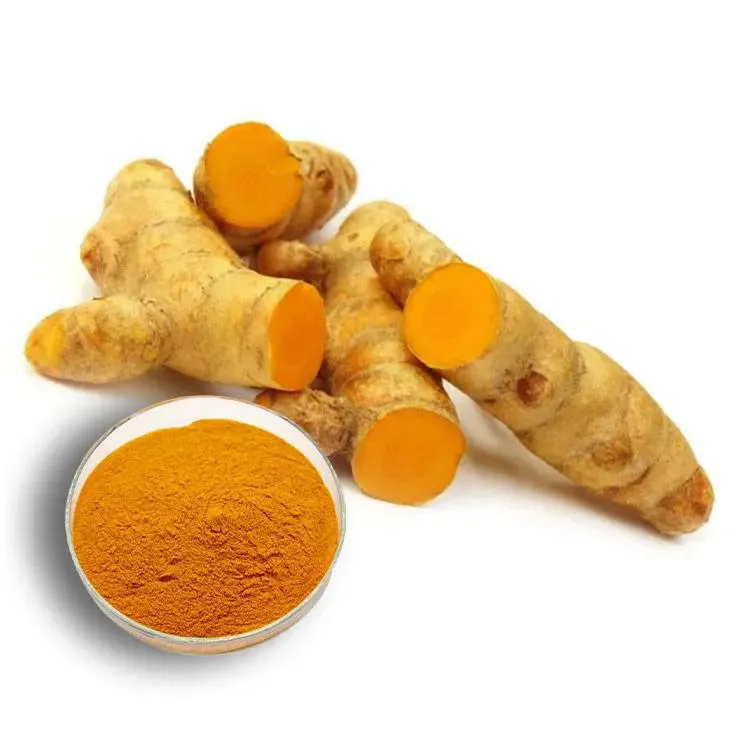
Table of Contents
What Is Curcumin Extract and Why Is It the Gold-Standard Anti-Inflammatory?
Active Compounds: Curcuminoids and Their Individual Potency
The Bioavailability Challenge: Why Plain Curcumin Fails and How to Fix It
Clinical Evidence for Inflammation, Pain, and Joint Health
Cognitive Health, Mood, and Neuroprotective Properties
Metabolic Health: Blood Sugar, Cholesterol, and Weight Management
Quality Standards and Certifications for Curcumin Extract
How to Source Premium Curcumin Extract: A Buyer's Guide
Applications in Supplements, Functional Foods, and Cosmetics
Safety, Dosage, and Regulatory Compliance
Why Choose Greensky as Your Curcumin Extract Supplier
1. What Is Curcumin Extract and Why Is It the Gold-Standard Anti-Inflammatory?
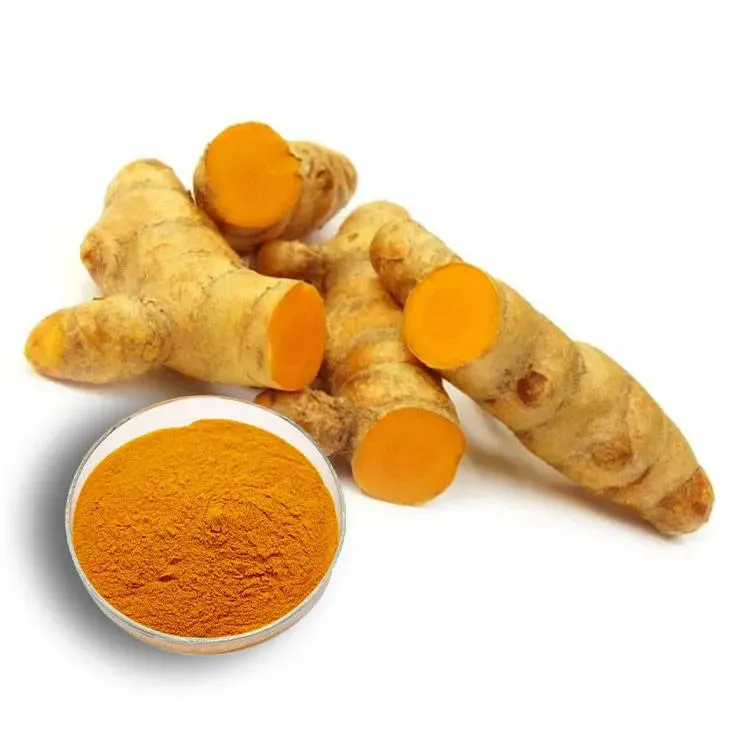
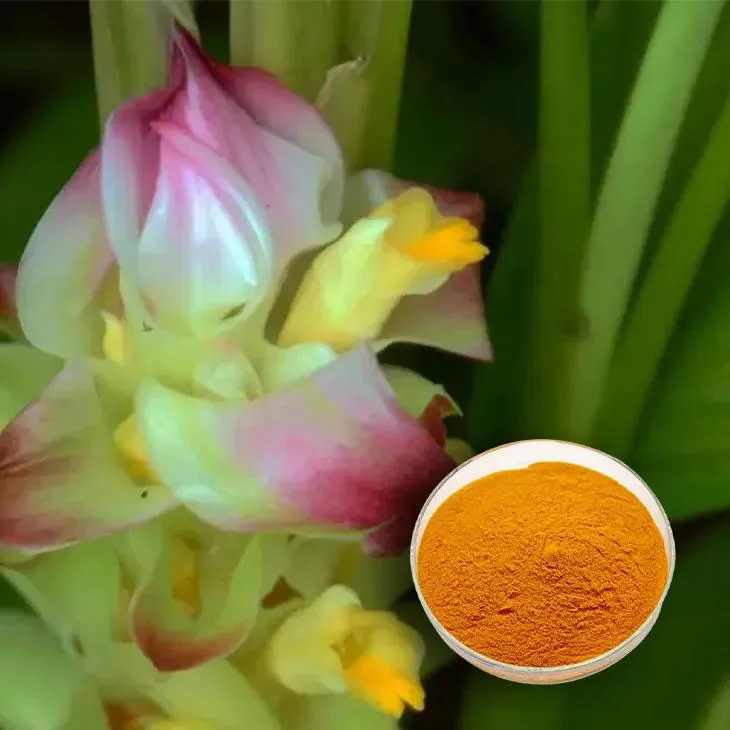
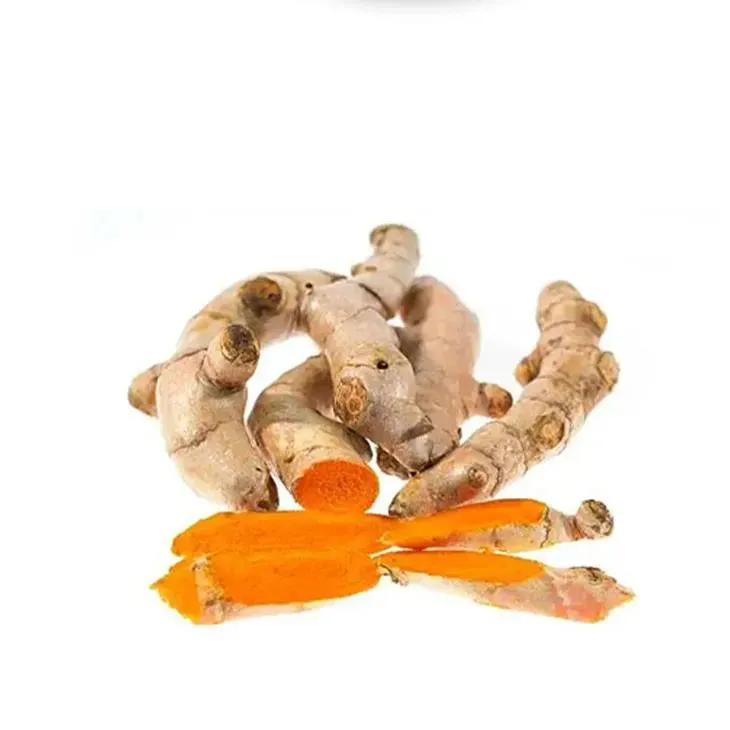
Curcumin is the principal bioactive compound in turmeric (Curcuma longa), a rhizomatous herbaceous perennial plant in the ginger family Zingiberaceae. For over 4,000 years, turmeric has been a cornerstone of Ayurvedic and Traditional Chinese Medicine, prized for its vibrant golden color and wide-ranging therapeutic properties.
Today, curcumin extract is the most extensively researched natural anti-inflammatory compound in the global dietary supplement industry. With over 12,000 peer-reviewed publications, curcumin has demonstrated efficacy across inflammation, oxidative stress, metabolic syndrome, cognitive decline, and joint health — making it one of the most versatile nutraceutical ingredients available.
The global curcumin extract market is projected to exceed USD 150 million by 2028, driven by the growing demand for plant-based anti-inflammatory solutions, the aging population's focus on joint health, and the expansion of the functional food and beverage sector.
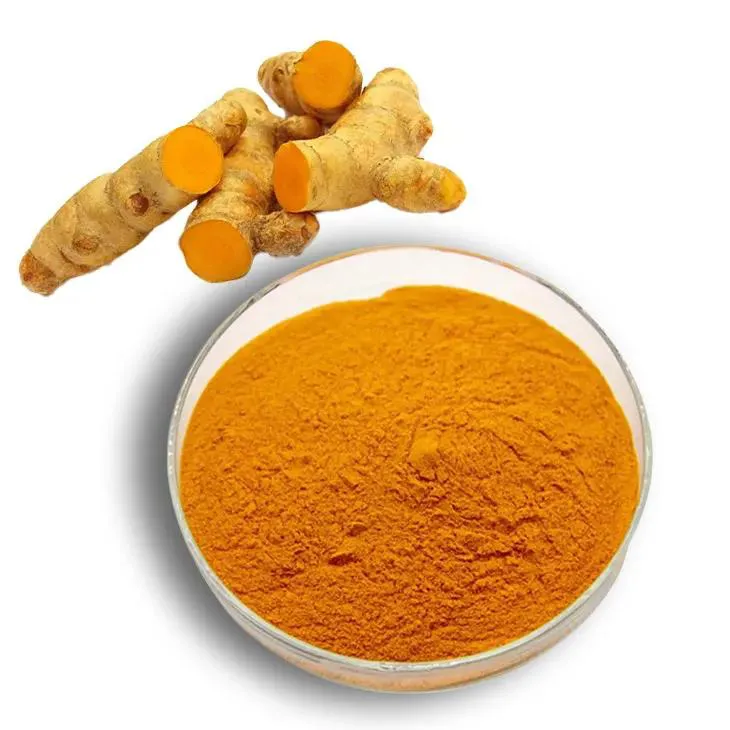
Curcumin extract is typically standardized to 95% total curcuminoids, containing three key compounds: curcumin (diferuloylmethane), demethoxycurcumin, and bisdemethoxycurcumin. Each contributes uniquely to the overall therapeutic profile.
2. Active Compounds: Curcuminoids and Their Individual Potency
2.1 The Three Curcuminoids
CompoundStructurePrimary ActivityRelative PotencyCurcumin (Diferuloylmethane)C₂₁H₂₀O₆Most abundant; anti-inflammatory, antioxidantBaseline (1.0x)DemethoxycurcuminC₂₀H₁₈O₅Enhanced cellular uptake; PPAR-γ activation~0.67xBisdemethoxycurcuminC₁₉H₁₆O₄Superior blood-brain barrier penetration; neuroprotective~0.33x
2.2 Why the Full Spectrum Matters
While curcumin is the most abundant curcuminoid, research shows that demethoxycurcumin and bisdemethoxycurcumin possess distinct pharmacological profiles:
Demethoxycurcumin demonstrates stronger inhibition of NF-κB, the master regulator of inflammatory gene expression
Bisdemethoxycurcumin shows superior ability to cross the blood-brain barrier, making it critical for neurological applications
Full-spectrum extracts (containing all three curcuminoids in natural ratios) outperform isolated curcumin in several preclinical models
3. The Bioavailability Challenge: Why Plain Curcumin Fails and How to Fix It
3.1 The Problem
Plain curcumin has notoriously poor oral bioavailability due to:
Low water solubility (practically insoluble in aqueous solutions)
Rapid metabolism (extensive glucuronidation and sulfation in the liver)
Fast systemic elimination (half-life of only 6–7 hours)
Poor intestinal absorption (limited passive diffusion)
Studies show that unformulated curcumin achieves plasma concentrations of only 0.06–0.18 µM after oral dosing — far below the concentrations required for therapeutic effect in vitro.
3.2 Evidence-Based Bioavailability Enhancement Strategies
StrategyMechanismBioavailability IncreasePiperine (Black Pepper Extract)Inhibits hepatic glucuronidationUp to 2,000%Phytosome (Phospholipid Complex)Improves membrane permeabilityUp to 2,900%Micellar/Nano-emulsion TechnologyReduces particle size to nanoscaleUp to 18,500%Liposomal EncapsulationProtects from digestive degradationUp to 10,000%Solid Lipid NanoparticlesSustained release profileUp to 9,000%
As a B2B curcumin extract supplier, Greensky offers multiple formulation options to match your product positioning — from cost-effective 95% curcuminoid powder to premium bioavailability-enhanced formulations.
4. Clinical Evidence for Inflammation, Pain, and Joint Health
4.1 Osteoarthritis
Multiple randomized controlled trials demonstrate curcumin's efficacy for joint health:
Study (n = 139): Curcumin was as effective as diclofenac in reducing pain and improving function in knee osteoarthritis patients, with significantly fewer gastrointestinal adverse events
Meta-analysis (13 RCTs, n = 1,157): Curcumin supplementation significantly reduced WOMAC pain scores (SMD = -0.57) and stiffness scores compared to placebo
Dosage: 500–1,500 mg/day of standardized curcumin extract for 8–12 weeks
4.2 Post-Exercise Muscle Damage
Study (n = 20): Curcumin supplementation (200 mg/day) reduced exercise-induced muscle damage markers (CK, LDH) and accelerated recovery in trained athletes
DOMS reduction: Significant decrease in delayed-onset muscle soreness within 24–48 hours post-exercise
4.3 General Inflammatory Conditions
C-reactive protein (CRP): Meta-analysis of 8 RCTs shows curcumin significantly reduces serum CRP levels (WMD = -1.29 mg/L)
IL-6 and TNF-α: Multiple studies demonstrate significant reductions in pro-inflammatory cytokines
5. Cognitive Health, Mood, and Neuroprotective Properties
5.1 Alzheimer's Disease and Cognitive Decline
Epidemiological evidence: Populations with high dietary curcumin intake show 4.4x lower incidence of Alzheimer's disease
Mechanisms: Inhibition of amyloid-beta aggregation, reduction of tau hyperphosphorylation, and chelation of metal ions (Fe³⁺, Cu²⁺) involved in plaque formation
Clinical trial (n = 40): Theracurmin (90 mg twice daily) significantly improved memory and attention over 18 months in adults aged 50–90
5.2 Depression and Mood Support
RCT (n = 56): Curcumin (500 mg twice daily) significantly reduced depressive symptoms in major depressive disorder, comparable to fluoxetine in some measures
Mechanism: Modulation of serotonin and dopamine systems, BDNF upregulation, and neuroinflammation reduction
6. Metabolic Health: Blood Sugar, Cholesterol, and Weight Management
6.1 Blood Glucose Regulation
Meta-analysis (9 RCTs): Curcumin supplementation significantly reduced fasting blood glucose (WMD = -7.09 mg/dL) and HbA1c (WMD = -0.39%)
Insulin sensitivity: Improved HOMA-IR scores in prediabetic and type 2 diabetic populations
6.2 Lipid Profile Improvement
Total cholesterol: Significant reduction of -11.9 mg/dL across pooled RCTs
Triglycerides: Reduction of -19.5 mg/dL
LDL cholesterol: Reduction of -8.6 mg/dL
HDL cholesterol: Modest increase of +2.4 mg/dL
7. Quality Standards and Certifications for Curcumin Extract
When sourcing curcumin extract, verify the following quality parameters:
Parameter Standard Specification Curcuminoid content ≥95% (HPLC) Heavy metals Pb < 1.0 ppm, As < 0.5 ppm, Cd < 0.3 ppm, Hg < 0.1 ppm Pesticide residues Compliant with EU/US Pharmacopoeia standards Microbiological limits Total plate count < 1,000 CFU/g; E. coli, Salmonella: ND Solvent residues Compliant with ICH Q3C guidelines Color value E1cm 1% ≥ 2,200 (425 nm)
Greensky's curcumin extract is produced under ISO22000, BRCGS, Ecocert Organic Standard, and SGS-GMP certified facilities, ensuring compliance with international quality requirements.
8. How to Source Premium Curcumin Extract: A Buyer's Guide
8.1 Key Sourcing Considerations
Raw material origin: Indian turmeric (particularly from Tamil Nadu and Andhra Pradesh) generally contains the highest curcuminoid content
Extraction method: Supercritical CO₂ extraction yields cleaner extracts compared to solvent-based methods
Analytical verification: Always request third-party COA with HPLC curcuminoid profile (individual curcumin, DMC, BDC percentages)
Stability data: Curcumin degrades under light and alkaline conditions; verify proper packaging and shelf-life testing
Supply chain transparency: Ensure traceability from farm to finished extract
8.2 Red Flags to Avoid
Artificial coloring: Some suppliers add synthetic dyes (Tartrazine, Sunset Yellow) to boost apparent curcumin content
Adulteration: Lead chromate has been used to artificially enhance color — always test for heavy metals
Inconsistent batch-to-batch potency: Verify that the manufacturer has robust quality control processes
9. Applications in Supplements, Functional Foods, and Cosmetics
9.1 Dietary Supplements
Capsules/Tablets: 500–1,000 mg per serving of 95% curcuminoid extract
Softgels: Often combined with piperine (5–10 mg) for enhanced absorption
Gummies: Growing segment; requires water-dispersible curcumin formulations
9.2 Functional Foods & Beverages
Golden milk/turmeric latte mixes: Fastest-growing curcumin beverage category
Energy and recovery drinks: Combined with electrolytes and BCAAs
Snack bars: Positioned for post-workout recovery and general wellness
9.3 Cosmetic & Personal Care
Anti-aging creams: Curcumin's antioxidant and anti-inflammatory properties support skin health
Face masks and serums: Golden color provides natural aesthetic appeal
Sun protection: Curcumin shows UV-protective and photoprotective properties
10. Safety, Dosage, and Regulatory Compliance
10.1 Safety Profile
GRAS status: Turmeric and curcumin are Generally Recognized As Safe by the US FDA
EFSA ADI: Acceptable Daily Intake of 0–3 mg/kg body weight established
Clinical safety: Doses up to 8,000 mg/day have been used in clinical trials without serious adverse events
Drug interactions: May interact with anticoagulants (warfarin), antiplatelet drugs, and chemotherapy agents
10.2 Recommended Dosage
Application Daily Dosage Duration General anti-inflammatory support 500–1,000 mg Ongoing Osteoarthritis 1,000–1,500 mg 8–12 weeks minimum Cognitive support 90–500 mg (bioavailability-enhanced) 12+ weeks Exercise recovery 200–400 mg Pre/post exercise
11. Why Choose Greensky as Your Curcumin Extract Supplier
Hangzhou Greensky Biological Tech. Co., Ltd. has been a professional natural plant extract manufacturer since 2004, with over 20 years of experience in identifying, researching, developing, and producing active herbal ingredients.
Our Curcumin Extract Advantages:
GMP-certified production: Jiangxi Greensky Food Co., Ltd. operates under strict GMP standards in a 100,000-class clean area
Advanced analytical capabilities: Independent laboratory equipped with HPLC, GC, UV for comprehensive quality testing
International certifications: ISO22000, BRCGS, Ecocert Organic Standard, SGS-GMP certified
Consistent supply: 500 tons annual plant extract production capacity
Global export experience: Nearly $30 million in annual exports to Europe, the United States, South Korea, and Russia
Custom specifications: We can produce curcumin extract to your exact curcuminoid profile and formulation requirements
- ▶ Hesperidin
- ▶ Citrus Bioflavonoids
- ▶ Plant Extract
- ▶ lycopene
- ▶ Diosmin
- ▶ Grape seed extract
- ▶ Sea buckthorn Juice Powder
- ▶ Fruit Juice Powder
- ▶ Hops Extract
- ▶ Artichoke Extract
- ▶ Mushroom extract
- ▶ Astaxanthin
- ▶ Green Tea Extract
- ▶ Curcumin
- ▶ Horse Chestnut Extract
- ▶ Other Product
- ▶ Boswellia Serrata Extract
- ▶ Resveratrol
- ▶ Marigold Extract
- ▶ Grape Leaf Extract
- ▶ New Product
- ▶ Aminolevulinic acid
- ▶ Cranberry Extract
- ▶ Red Yeast Rice
- ▶ Red Wine Extract
- ▶ blog
-
Red Date Extract
2026-11-14
-
Yohimbine Bark Extract
2026-11-14
-
Kelp Extract Powder
2026-11-14
-
Horse Chestnut Extract
2026-11-14
-
Polygonum Cuspidatum Extract
2026-11-14
-
Fenugreek Extract Powder
2026-11-14
-
Dandelion Leaf Extract
2026-11-14
-
Curcumin
2026-11-14
-
Lion's Mane Mushroom Extract
2026-11-14
-
Ginseng Root Extract
2026-11-14