- 0086-571-85302990
- [email protected]






What is the difference between mega green tea extract and regular green tea extract?
2026-08-13
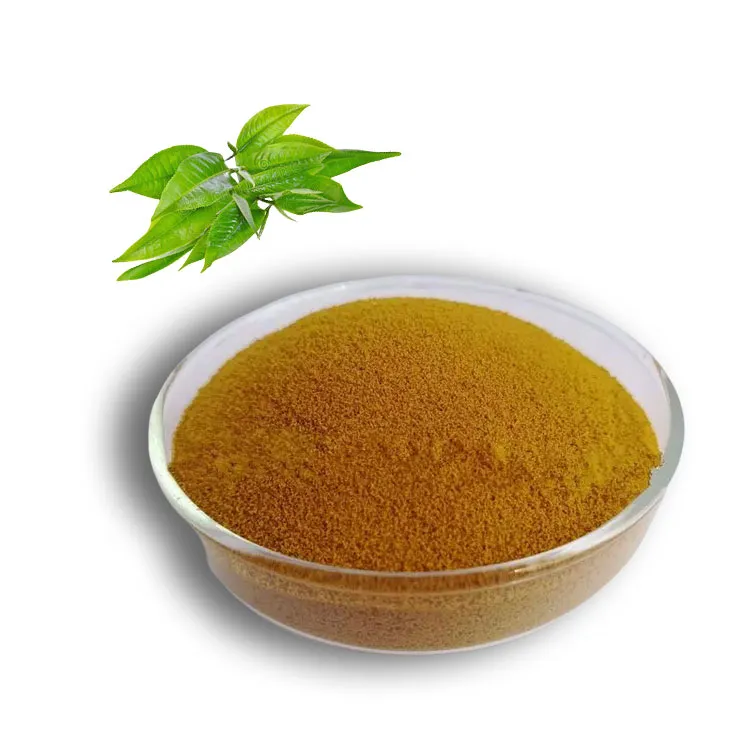
Green Tea Extract is one of the most widely used botanical ingredients in dietary supplements and functional foods, but not all Green Tea Extracts are the same. Some products are labeled as regular Green Tea Extract, while others are described as mega green tea extract, and the difference comes down to concentration, standardization, and the amount of active compounds each serving delivers. Understanding this distinction helps buyers choose the right ingredient for their formulation instead of relying on labels that may sound similar but describe very different products.
Both forms are derived from the leaves of the tea plant (Camellia sinensis). The leaves are rich in polyphenols, a group of plant compounds, and within them a class of catechins that includes epicatechin, epicatechin gallate, epigallocatechin, and epigallocatechin gallate, usually abbreviated as EGCG. EGCG is the most studied of these catechins and is widely regarded as the key active marker of green tea. A regular green tea extract is typically standardized to a moderate level of polyphenols or catechins, often in the range of about 40% to 50%, and the EGCG content varies with the specification chosen.
A mega green tea extract, by contrast, is a high-potency version that has been concentrated and dual-standardized to deliver a much higher level of active compounds. In practical terms, a mega grade is often standardized to roughly 90% to 98% polyphenols with an EGCG content of around 45%, which means a single small serving can provide a large dose of EGCG. Because the extraction and concentration process is more demanding, this grade is produced specifically for applications that need a concentrated antioxidant in a compact dose, such as capsules and tablets.
The clearest way to see the difference is to compare serving equivalence. A cup of green tea supplies roughly 150 to 300 mg of polyphenols, and a single standard serving of a concentrated mega green tea extract can provide far more, in some products the equivalent of more than three cups of green tea in one small capsule. This matters because many of the benefits associated with green tea, such as antioxidant protection and support for cardiovascular and metabolic health, are linked to the intake of catechins and EGCG. A higher-concentration extract makes it easier to reach a meaningful dose without consuming large volumes of tea.
Concentration also affects bioavailability. Research and product experience indicate that green tea powdered extracts are absorbed more efficiently into the bloodstream than the polyphenols in brewed tea, with some sources reporting absorption that is 60% to 90% better. For a formulator, this means a well-standardized extract can deliver a more consistent and reliable amount of active ingredient to the body than drinking tea alone, which is why concentrated extracts are preferred in supplements aimed at antioxidant, metabolic, and weight-management support.
The choice between a regular and a mega green tea extract depends on the goal of the final product. A regular-grade extract is often suitable for food and beverage applications or for products where a moderate catechin level is sufficient. A mega-grade extract is better suited to dietary supplements where the label needs to show a high EGCG content and a compact serving size. In both cases, the polyphenol and EGCG percentages must be clearly specified on the certificate of analysis, because the actual assay, not the product name, determines what the customer receives.
When procuring either grade, buyers should confirm three details with the supplier: the exact polyphenol and EGCG content, the analytical method used to verify it, and the certificates held by the manufacturer for quality and safety. Consistent standardization and reliable testing are essential, because a green tea extract is only as good as its documented assay.
For companies sourcing this ingredient, working with an experienced green tea extract manufacturer is the safest route. A vertically integrated producer can supply green tea extract powder in regular or mega green tea extract grades, standardize the active compounds, run laboratory testing, and provide the documentation needed for regulatory submissions, so the finished product meets the exact specification your formulation requires.
- ▶ Hesperidin
- ▶ Citrus Bioflavonoids
- ▶ Plant Extract
- ▶ lycopene
- ▶ Diosmin
- ▶ Grape seed extract
- ▶ Sea buckthorn Juice Powder
- ▶ Fruit Juice Powder
- ▶ Hops Extract
- ▶ Artichoke Extract
- ▶ Mushroom extract
- ▶ Astaxanthin
- ▶ Green Tea Extract
- ▶ Curcumin
- ▶ Horse Chestnut Extract
- ▶ Other Product
- ▶ Boswellia Serrata Extract
- ▶ Resveratrol
- ▶ Marigold Extract
- ▶ Grape Leaf Extract
- ▶ New Product
- ▶ Aminolevulinic acid
- ▶ Cranberry Extract
- ▶ Red Yeast Rice
- ▶ Red Wine Extract
- ▶ blog
-
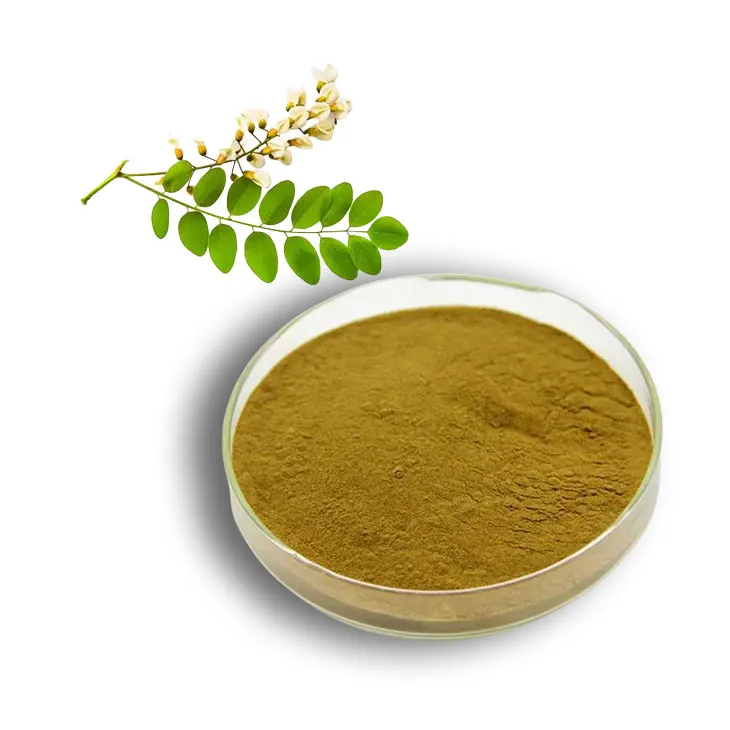
Sophora Japonica Flower Extract
2026-08-13
-
Baicalin
2026-08-13
-
Bayberry Extract
2026-08-13
-
Agaricus Blazei Extract
2026-08-13
-
Polygonum Cuspidatum Extract
2026-08-13
-
Cat Claw Extract
2026-08-13
-
Troxerutin
2026-08-13
-
Acai Berry Extract
2026-08-13
-
Diosmin
2026-08-13
-
Tongkat Ali Extract Powder
2026-08-13
