- 0086-571-85302990
- [email protected]






What is the difference between hesperidin and diosmin hesperidin?
2026-08-17
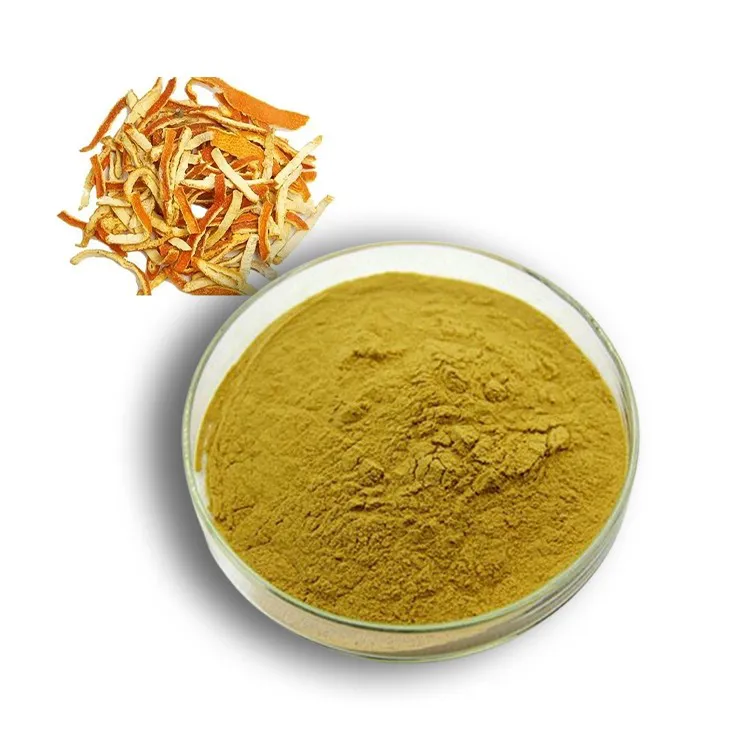
Hesperidin and Diosmin are two structurally related citrus flavonoids that frequently appear together on supplement labels, often written as "Diosmin Hesperidin." Because their names look so similar, buyers and formulators routinely ask whether they are the same ingredient, or whether one is simply a better version of the other. This article explains exactly how the two compounds differ, how they complement each other in vein-health and circulation formulas, and what to look for when sourcing them as bulk raw materials.
The quick answer
Hesperidin and Diosmin are not the same molecule. Diosmin is made from hesperidin by a simple chemical conversion that introduces a double bond into the central (C-ring) structure of the molecule. Both belong to the same flavonoid family, but diosmin is considered more effective as a venoactive agent, which is why commercial vein-support products are typically standardized to a 9:1 ratio of diosmin to hesperidin rather than hesperidin alone.
What is hesperidin?
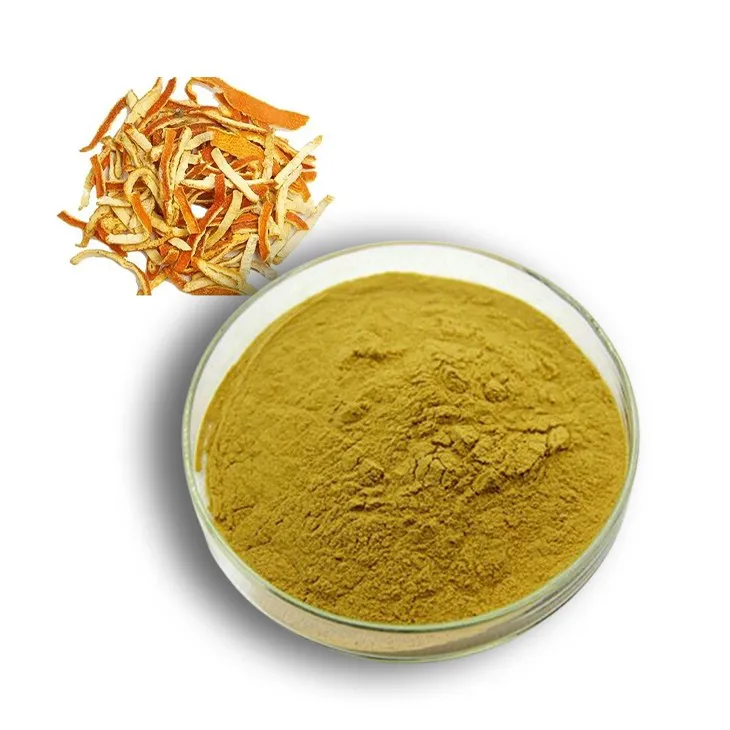
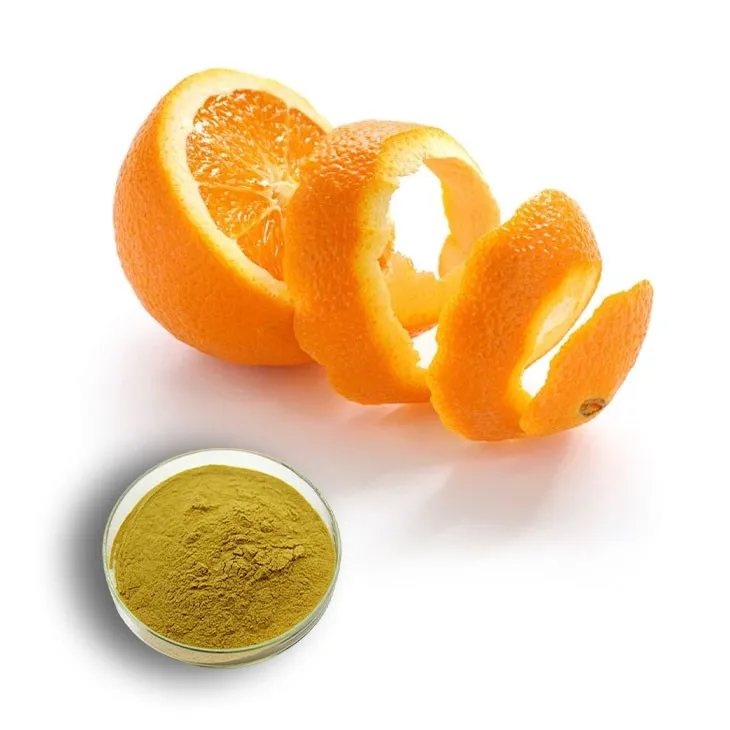
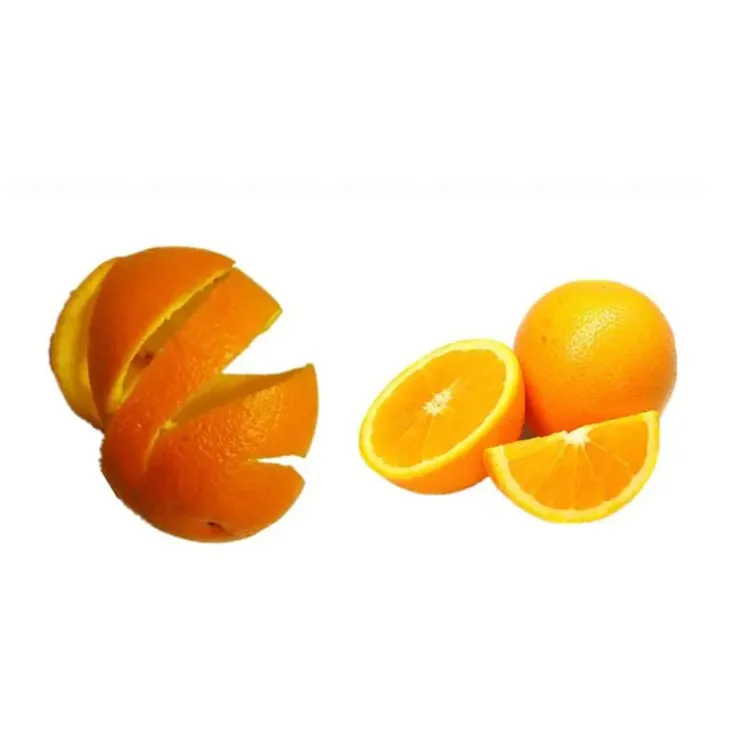
Hesperidin is a natural flavonoid glycoside found in the peel of citrus fruits, especially oranges. Chemically it is the 7-O-rutinoside of hesperetin, meaning a hesperetin aglycone carries a sugar group that affects how well the body absorbs it. When supplied as a standardized extract, hesperidin is valued mainly as an antioxidant that supports healthy blood vessels, helps maintain normal capillary strength, and contributes to the body's defenses against everyday oxidative stress and low-grade inflammation.
What is diosmin hesperidin?
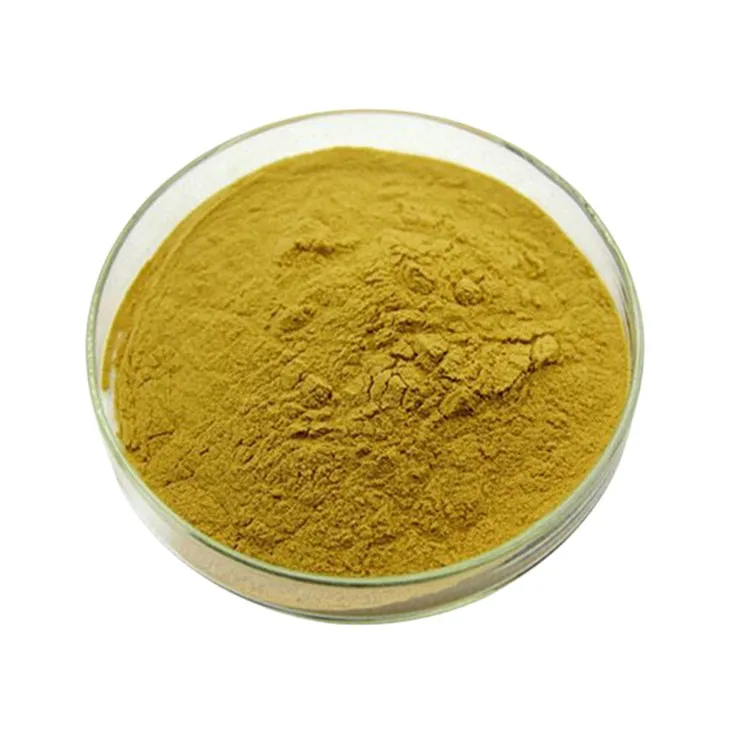
Diosmin is the semi-synthetic derivative of hesperidin. In practice, "diosmin hesperidin" is a blend in which micronized diosmin makes up roughly 90% of the formula and hesperidin the remaining 10%. This is the ratio used in most clinical studies on chronic venous insufficiency. The diosmin component works directly on the vein wall, improving venous tone and elasticity, while hesperidin stabilizes the surrounding tissue as an antioxidant. At Greensky, both ingredients are offered as clean, standardized powders, and you can review the diosmin and hesperidin extract product pages for specification details.
Key differences at a glance
The table below summarizes how the two compounds compare in origin, structure, and typical use:
| Feature | Hesperidin | Diosmin |
|---|---|---|
| Origin | Natural citrus peel flavonoid | Semi-synthetic derivative of hesperidin |
| Structure | 7-O-rutinoside of hesperetin (no C-ring double bond) | 7-O-rutinoside of diosmetin (has C-ring double bond) |
| Primary role | Antioxidant, capillary support, citrus wellness | Venoactive, venous tone and microcirculation |
| Typical use | Flavonoid complexes and antioxidant blends | Vein-health and circulation formulations |
| Absorption | Slower; benefits build over time | Better absorbed when micronized |
How the two work together
Rather than competing, the two flavonoids are often paired because their effects are complementary. Diosmin increases venous tone and reduces fluid retention by improving lymphatic return and lowering capillary permeability, which helps ease heavy, tired legs and mild swelling. Hesperidin contributes by quenching free radicals and supporting the integrity of the vessel wall, reinforcing the environment in which diosmin works. Together they target both improved blood flow and reduced oxidative stress, which is why the combined "diosmin hesperidin" ingredient is common in capsules and tablets for leg comfort and circulatory support.
Which should your formula use?
The choice depends on your product's positioning. If you are developing a dedicated vein-health or chronic venous insufficiency supplement following clinically studied protocols, a micronized diosmin-based blend is the more appropriate option. If you are building a broader antioxidant or citrus flavonoid complex, hesperidin fits naturally alongside other citrus bioflavonoids. Many brands ultimately use both, combining the targeted venous support of diosmin with the antioxidant profile of hesperidin in a single formula.
Sourcing quality diosmin hesperidin
For B2B buyers, ingredient purity and traceability matter as much as the chemistry. Greensky is a manufacturer rather than a trader, so every batch of diosmin hesperidin is produced under food-grade conditions and verified in an in-house laboratory using instruments such as HPLC and GC. The company holds ISO22000, BRCGS, and HALAL certifications, and its export documentation supports regulatory submissions in Europe, the United States, South Korea, and Russia. Sourcing directly from a certified plant extract manufacturer gives formulators confidence in consistent assay values and reliable supply.
Final thoughts
Hesperidin and diosmin hesperidin share a citrus family history, but they are distinct ingredients with different strengths. Hesperidin shines as an antioxidant and capillary supporter, while diosmin hesperidin leverages a semi-synthetic step to become a more direct venoactive agent. Understanding this difference lets formulators choose the right raw material and lets buyers compare quotes with confidence. For more detail on these ingredients or to discuss custom specifications, contact a diosmin hesperidin plant extract supplier at Greensky.
TAGS:
- ▶ Hesperidin
- ▶ Citrus Bioflavonoids
- ▶ Plant Extract
- ▶ lycopene
- ▶ Diosmin
- ▶ Grape seed extract
- ▶ Sea buckthorn Juice Powder
- ▶ Fruit Juice Powder
- ▶ Hops Extract
- ▶ Artichoke Extract
- ▶ Mushroom extract
- ▶ Astaxanthin
- ▶ Green Tea Extract
- ▶ Curcumin
- ▶ Horse Chestnut Extract
- ▶ Other Product
- ▶ Boswellia Serrata Extract
- ▶ Resveratrol
- ▶ Marigold Extract
- ▶ Grape Leaf Extract
- ▶ New Product
- ▶ Aminolevulinic acid
- ▶ Cranberry Extract
- ▶ Red Yeast Rice
- ▶ Red Wine Extract
- ▶ blog
-
Mangosteen extract powder
2026-08-17
-
Berberis aristata Extract
2026-08-17
-
Pine bark Extract Powder
2026-08-17
-
Aguaje Extract
2026-08-17
-
Astaxanthin
2026-08-17
-
Black Rice Extract
2026-08-17
-
Lotus leaf extract
2026-08-17
-
Green Tea Extract
2026-08-17
-
Cat Claw Extract
2026-08-17
-
Liposomal Berberine HCl
2026-08-17
