- 0086-571-85302990
- [email protected]






What is the annual production output of a curcumin factory?
2026-08-18
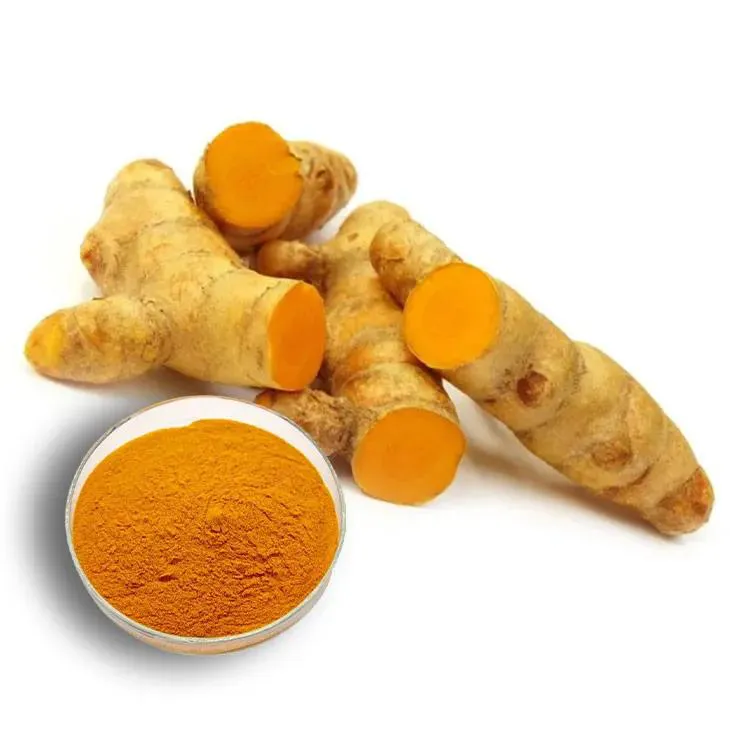
When you source Curcumin for a supplement line or a functional food, capacity is usually one of the first questions you ask a supplier. It deserves to be. Annual production output tells you whether a factory can cover your order volume, keep stock through peak season, and scale with you as your business grows. But the answer is rarely a single number. "Output" can mean how much turmeric a plant processes, how much standardized Curcumin it produces, or how much finished powder it can dry and pack in a year. This article explains what a Curcumin factory's annual output really means, what numbers are realistic in the industry, and how to check them before you commit to a supplier.
Why production output matters
Production output is the difference between a manufacturer and a trading house. A factory with real capacity can commit to delivery dates, hold buffer stock, and re-run a batch if something goes wrong. A trader cannot. For a brand, that translates into supply security: no missed launches, no empty shelves, no last-minute substitutions. Output also affects price. Factories that process turmeric at scale spread their fixed costs over more tons, which is why large producers can often offer more competitive pricing than small batch operations. When you compare quotes, the factory's output helps you understand whether the price is sustainable or a one-off.
What "annual output" actually measures
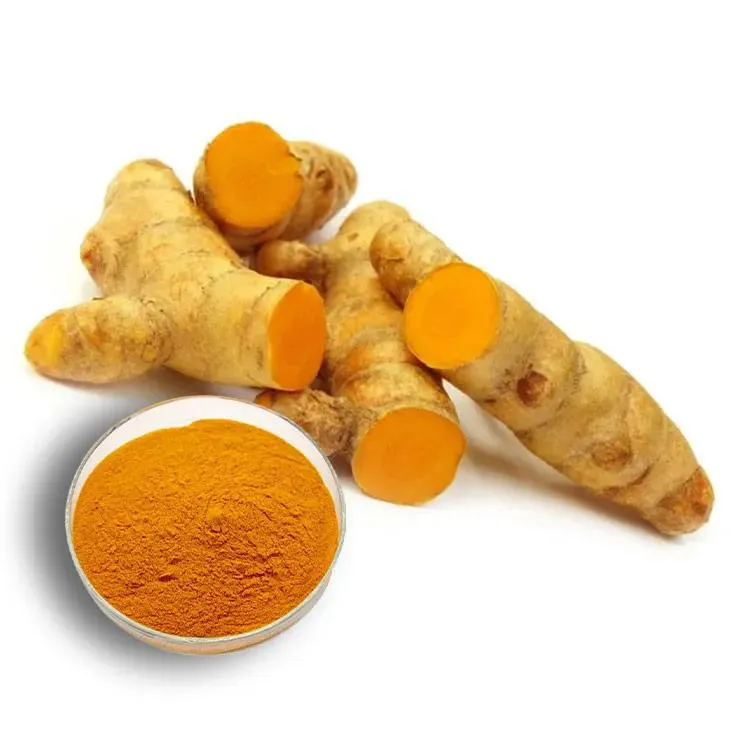
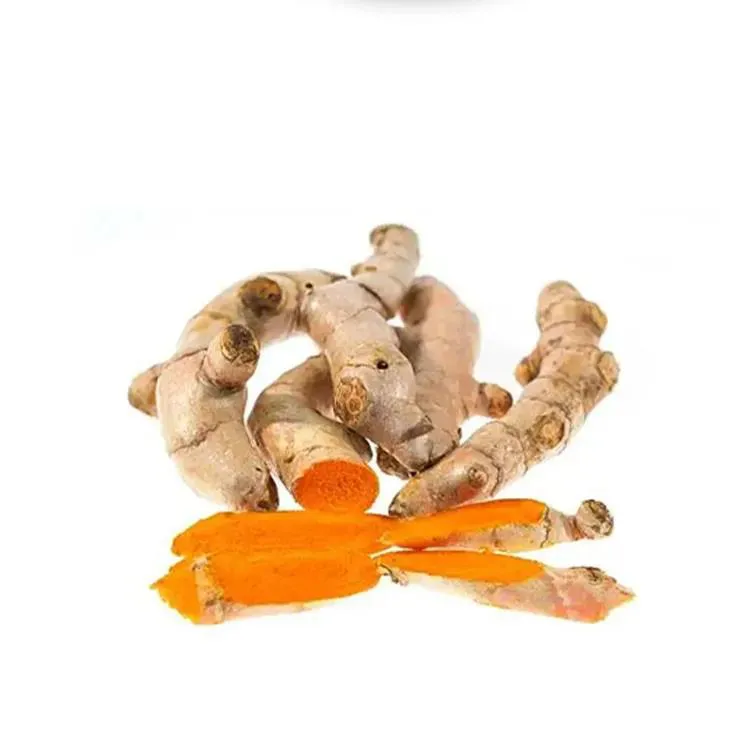
Before comparing numbers, it helps to know what is being counted. There are three common ways to describe a curcumin factory's output. The first is raw material throughput: how many tons of turmeric rhizomes the plant can process per day. Mature solvent and ultrasonic extraction lines typically handle 10 to 100 tons of turmeric rhizomes per day. The second is standardized curcumin output: how many tons of finished curcumin, such as curcumin 95% or a turmeric extract with a defined curcuminoid level, the factory releases per year. The third is drying and packaging capacity: how much finished powder the spray drying tower and packing lines can handle, which can become the real bottleneck when demand spikes. A factory can have a large extraction line but a small drying capacity, so the figure that matters for your order is the standardized curcumin output, not the raw material throughput.
Realistic production figures in the industry
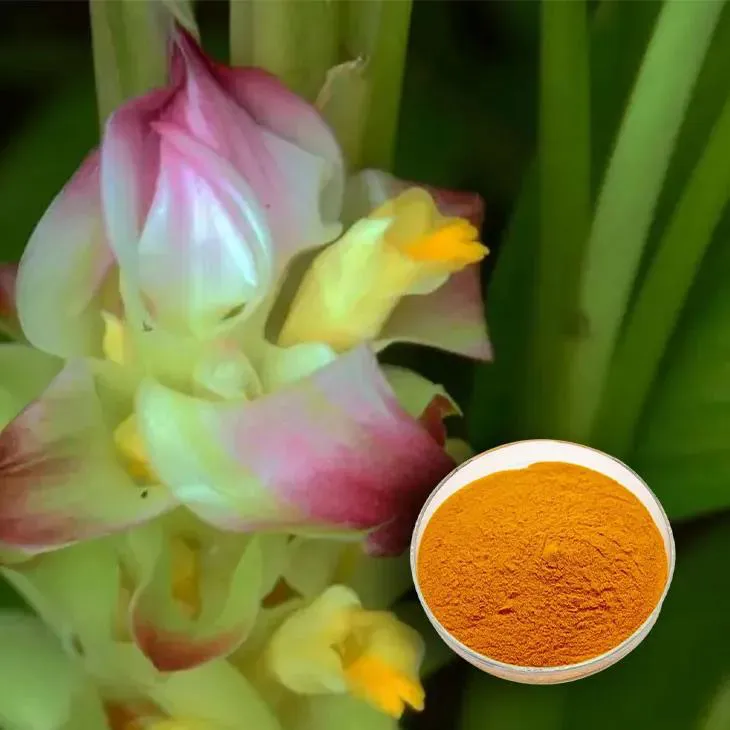
Industry figures vary widely by scale. Small solvent-extraction facilities, with equipment costing under USD 50,000, typically produce around 50 to 100 tons of curcumin per year. At the other end of the range, a large-scale turmeric plant in Kerala, India, produces about 500 tons of curcumin per year, running solvent extraction for industrial-grade curcumin and supercritical CO2 extraction for pharmaceutical-grade material. Chinese factories sit across this range. One facility in Guizhou processes about 6,000 tons of dry turmeric a year, yielding roughly 300 tons of curcumin 95%, around 900 tons of turmeric oleoresin, and several thousand tons of feed-grade turmeric powder. Large integrated suppliers advertise annual supply capacities above 8,000 tons across their extract lines. To put these numbers in context, the global curcumin market was valued at more than USD 628 million in 2024 and is expected to grow at a compound annual rate of about 11.3% through 2030, so capacity is expanding to keep pace with demand.
What determines a factory's output
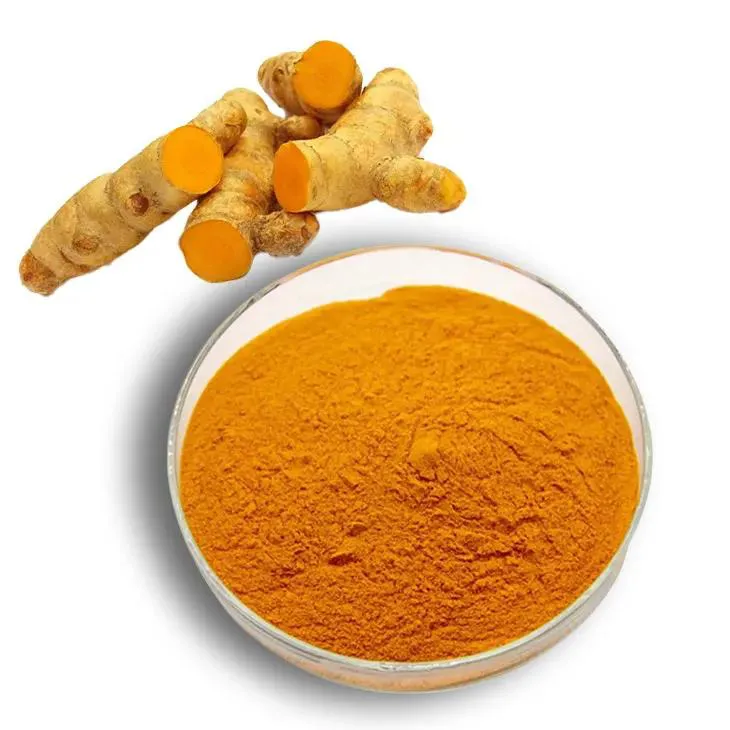
Several factors decide how much a factory can actually produce. Raw material supply sets an upper limit: turmeric quality and the curcumin content of the rhizome determine yield, so higher-curcumin feedstock means more output from the same equipment. The extraction method matters too. Solvent and ultrasonic extraction scale well to 10 to 100 tons of rhizomes per day, while enzyme-assisted and ionic liquid methods are still limited to about 1 to 5 tons per day. Equipment scale defines throughput: the size of the extraction tanks, concentrators, and drying tower all set the pace, and a 6-ton multi-functional extraction tank processes far more per cycle than a lab-scale unit. Production lines and shifts change the annual total dramatically, as does quality control throughput, since every batch needs testing before release and a factory with an in-house laboratory can release batches faster than one that sends samples to an outside lab.
How to verify a factory's real capacity
A stated output figure is only as good as the evidence behind it. Ask for recent certificates of analysis and batch production records, which show real output and consistency. Check lead times: a factory with genuine capacity can quote shorter, more reliable lead times even in peak season. Arrange a facility audit, whether a video tour or an on-site visit, and look at the extraction tanks, drying tower, and packing lines in operation, since empty halls tell a different story than running lines. Review certifications such as ISO22000, BRCGS, HALAL, and Kosher, which indicate the plant is audited by outside bodies and runs to documented standards. Finally, ask about in-house testing: an on-site laboratory with HPLC, GC, and UV instruments means faster release and tighter control.
A real example: a curcumin manufacturer with verifiable capacity
Hangzhou Greensky Biological Tech. Co., Ltd. is a useful example of what a real curcumin factory looks like. Founded in 2004, the company has over 20 years of experience in plant extracts and operates several wholly-owned production sites. Its Jiangxi subsidiary alone produces about 500 tons of plant extracts per year. The production floor includes 6-ton multi-functional extraction tanks, high-efficiency low-temperature concentrators, a spray drying tower, and a vacuum drying box, all housed in a 100,000-class clean production area. An independent laboratory equipped with GC, HPLC, and UV instruments tests every batch in-house. The company holds ISO22000, BRCGS, ISO9001, HALAL, and Kosher certifications, and in 2023 its export value reached nearly USD 30 million, with main markets in Europe, the United States, South Korea, and Russia. For a buyer, that combination of equipment, certification, and export history is the kind of evidence that makes a capacity claim believable.
The bottom line
There is no single answer to how much a curcumin factory produces in a year. Output ranges from about 50 tons for a small solvent-extraction plant to 500 tons or more for a large integrated producer, and the figure that matters for your order is the standardized curcumin output, not the raw material throughput. When you evaluate a supplier, ask for batch records, check lead times, and look at the equipment and certifications behind the number. A curcumin manufacturer that can show you its extraction tanks, its laboratory, and its export record is far more likely to deliver the volume it promises. And if you are sourcing China curcumin from overseas, the same checks apply: verify the capacity, then trust the evidence.
TAGS:
- ▶ Hesperidin
- ▶ Citrus Bioflavonoids
- ▶ Plant Extract
- ▶ lycopene
- ▶ Diosmin
- ▶ Grape seed extract
- ▶ Sea buckthorn Juice Powder
- ▶ Fruit Juice Powder
- ▶ Hops Extract
- ▶ Artichoke Extract
- ▶ Mushroom extract
- ▶ Astaxanthin
- ▶ Green Tea Extract
- ▶ Curcumin
- ▶ Horse Chestnut Extract
- ▶ Other Product
- ▶ Boswellia Serrata Extract
- ▶ Resveratrol
- ▶ Marigold Extract
- ▶ Grape Leaf Extract
- ▶ New Product
- ▶ Aminolevulinic acid
- ▶ Cranberry Extract
- ▶ Red Yeast Rice
- ▶ Red Wine Extract
- ▶ blog
-
Nettle leaf extract
2026-08-18
-
Hesperidin
2026-08-18
-
Selenium yeast
2026-08-18
-
Angelica sinensis extract
2026-08-18
-
Dandelion Leaf Extract
2026-08-18
-
Sugarcane Extract
2026-08-18
-
Boswellia Serrata Extract
2026-08-18
-
Bamboo Leaf extract
2026-08-18
-
Beetroot Powder
2026-08-18
-
Black Pepper Extract
2026-08-18
