- 0086-571-85302990
- [email protected]






What is green tea extract china?
2026-08-18
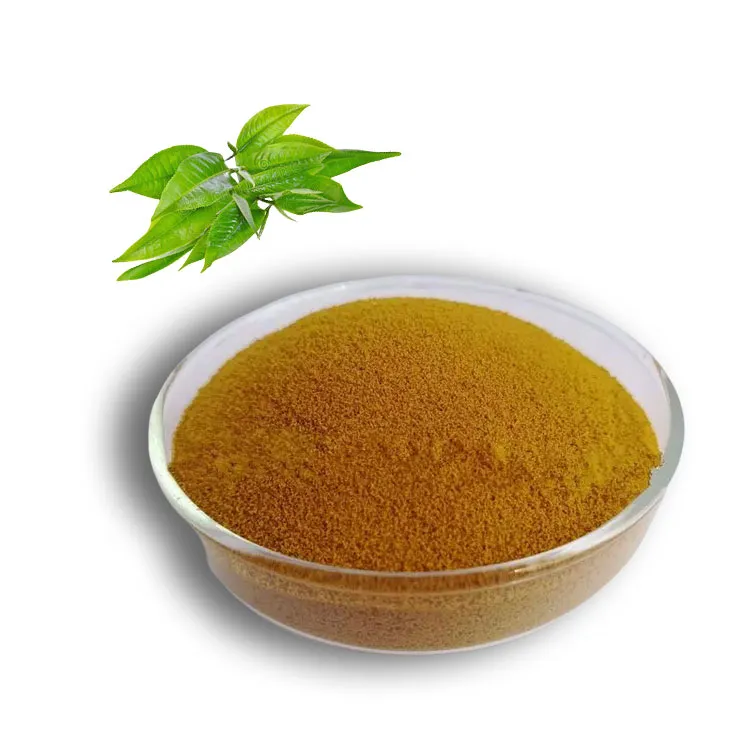
If you are a supplement brand, food manufacturer or cosmetics formulator looking for a natural antioxidant ingredient, you have almost certainly come across Green Tea Extract. It is one of the most widely used botanical ingredients in the world, and a large share of the supply comes from China. But what exactly is Green Tea Extract, how is it made, and why does China dominate its production? This guide answers those questions in plain language, so you can make an informed decision when sourcing the ingredient for your own products.
What Is Green Tea Extract?
Green tea extract is a concentrated form of the active compounds found in the leaves of the tea plant (Camellia sinensis). Unlike a simple dried leaf powder, an extract is produced by dissolving the desired compounds out of the leaves with water or a food-grade solvent, then concentrating and drying the solution into a powder. The result is a standardized ingredient that delivers a much higher dose of beneficial polyphenols than you could get from drinking tea.
The most important group of compounds in green tea extract are catechins, a class of polyphenols with strong antioxidant activity. The most abundant and biologically active catechin is epigallocatechin gallate (EGCG), which is the compound most scientific research focuses on. Depending on the specification, a green tea extract can contain anywhere from 20% to 98% polyphenols, with EGCG levels typically ranging from 10% to 80%.
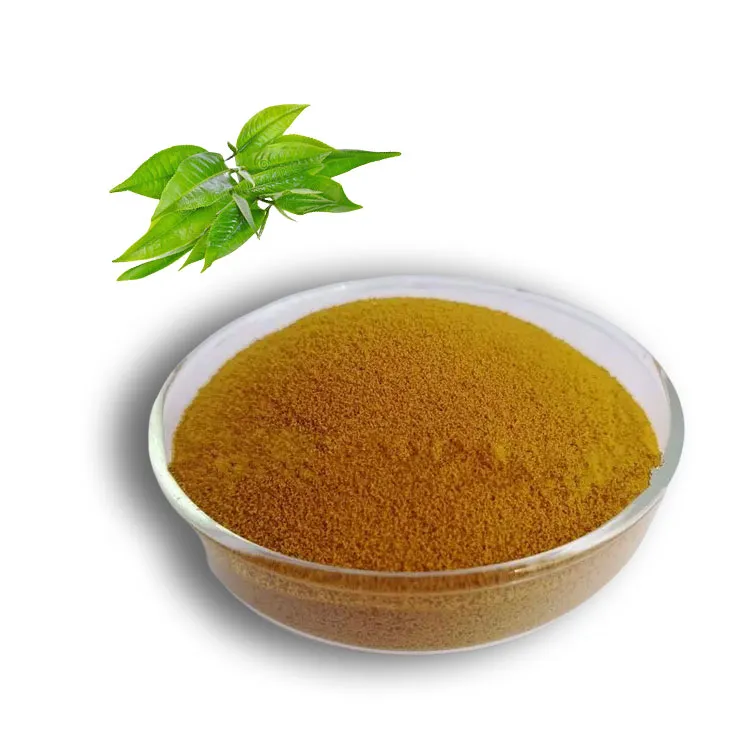
How Is Green Tea Extract Made?
The production process starts with fresh green tea leaves, which are harvested, withered and steamed or pan-fired to stop oxidation. The dried leaves are then extracted with hot water or ethanol, filtered to remove plant fiber, and concentrated under vacuum to preserve the heat-sensitive catechins. Finally, the concentrate is dried, usually by spray drying, into a fine powder that is easy to blend into capsules, tablets, beverages and cosmetics.
Quality control is critical at every step. A reputable manufacturer will test each batch for polyphenol and EGCG content, residual solvents, heavy metals, pesticide residues and microbial contamination. This is why the certificate of analysis (COA) and the testing method matter as much as the specification itself when you are comparing suppliers.
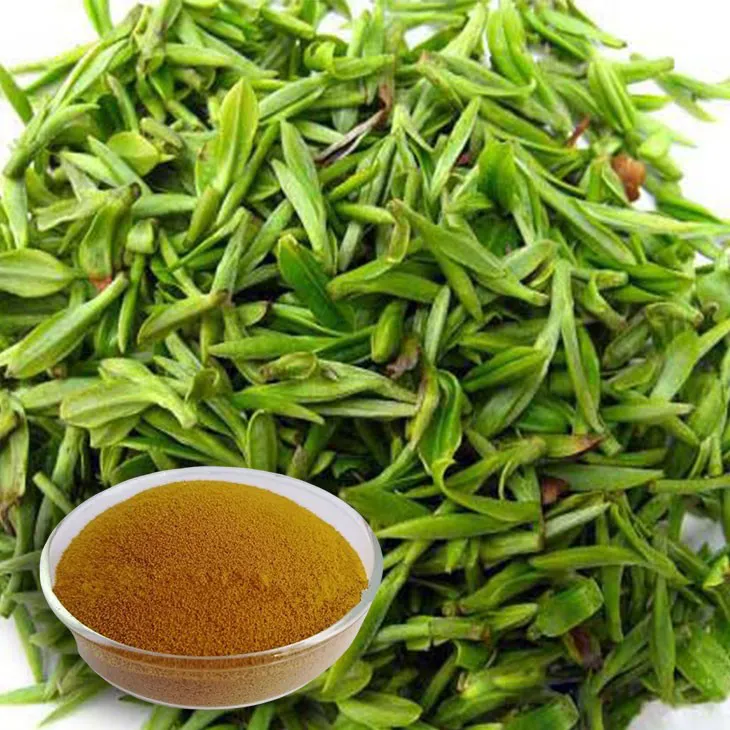
Key Active Compounds: Catechins and EGCG
To understand what green tea extract can do, it helps to know the compounds behind its effects:
- Polyphenols: The umbrella group of antioxidant plant compounds that make up the bulk of green tea extract.
- Catechins: The main subclass of polyphenols in green tea, including EGCG, EGC, ECG and EC.
- EGCG (epigallocatechin gallate): The most abundant and most studied catechin, responsible for much of the extract's antioxidant and metabolic activity.
- Caffeine: Present in smaller amounts in standard extracts, and removed entirely in decaffeinated grades.
Because EGCG is the active marker that most buyers specify, the EGCG percentage on the COA is usually the first number to check when comparing raw materials.
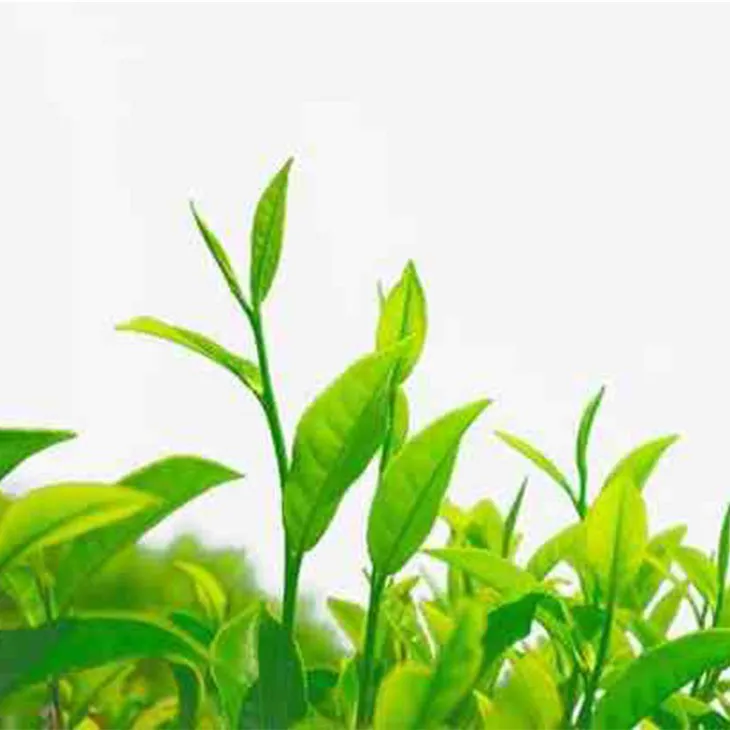
Health Benefits of Green Tea Extract
Green tea extract has been studied extensively, and its benefits come mainly from its antioxidant and anti-inflammatory activity:
- Antioxidant protection: Catechins scavenge free radicals that damage cells and contribute to aging and chronic disease.
- Cardiovascular support: Research suggests regular intake may help maintain healthy cholesterol levels and support normal blood vessel function.
- Metabolic and weight management: EGCG has been shown to modestly increase fat oxidation and energy expenditure, which is why it is a common ingredient in weight management formulas.
- Skin health: Its antioxidant properties help protect skin cells from UV-related oxidative stress, making it popular in anti-aging skincare.
- Oral care: Catechins have antibacterial activity against the bacteria linked to plaque and bad breath.
It is worth noting that most of these benefits are best understood as supporting normal health rather than treating disease. When you formulate with green tea extract, the specification and dosage determine how much of the active compound actually reaches the end user.
Why China Is a Leading Source of Green Tea Extract
China is the world's largest producer of tea, and it has built a complete green tea extract supply chain that starts in the tea gardens and ends with finished powder ready for export. Several factors explain why so many buyers source green tea extract from China:
- Raw material advantage: China grows large volumes of high-quality green tea, giving manufacturers direct access to fresh leaf at competitive cost.
- Established manufacturing base: Decades of experience in plant extraction mean Chinese factories can produce consistent, standardized specifications at scale.
- Full production control: Vertically integrated manufacturers control sourcing, extraction, testing and export documentation under one roof.
- Regulatory compliance: Leading exporters provide the certificates and documentation needed for food, supplement and cosmetic registration in Europe, the United States and other markets.
Of course, not every factory is equal. The key is to choose a green tea extract manufacturer that can prove its quality with testing data and certifications rather than relying on price alone.
Common Specifications and Grades
Green tea extract is sold by specification, and the two numbers you will see most often are total polyphenols and EGCG content:
- Polyphenols 50% / EGCG 10%–20%: A common, cost-effective grade for general supplements and food applications.
- Polyphenols 95% / EGCG 45%–50%: The workhorse supplement grade used in most capsules and tablets.
- Polyphenols 98% / EGCG 80%: A premium grade for high-potency formulations.
- Decaffeinated green tea extract: Caffeine removed, for products targeting sensitive users or evening use.
- Organic green tea extract: Certified organic raw material for brands that need organic claims.
The right specification depends on your product format and target claim. A sports nutrition brand may want a high-EGCG grade, while a food manufacturer adding antioxidant protection to a snack might choose a lower-cost polyphenol grade.
Applications Across Industries
Because of its antioxidant properties and clean label appeal, green tea extract is used across many product categories:
- Dietary supplements: Capsules, tablets and powders for antioxidant, cardiovascular and weight management formulas.
- Food and beverages: Functional drinks, teas and fortified foods where it also acts as a natural antioxidant to extend shelf life.
- Cosmetics and personal care: Serums, creams and cleansers for its anti-aging and skin-soothing properties.
- Oral care: Toothpaste and mouthwash formulations that target plaque-causing bacteria.
How to Choose a Green Tea Extract Supplier
When you are sourcing green tea extract powder in bulk, look beyond the price list. A reliable supplier should be able to provide a certificate of analysis for every batch, HPLC testing data for polyphenol and EGCG content, third-party lab reports, and the export documentation your market requires. It also helps to visit or audit the factory, or at least review its production capacity and quality systems.
Greensky, a Hangzhou-based manufacturer founded in 2004 with over 20 years of experience in botanical ingredients, produces green tea extract in a 100,000-class clean production area. Its in-house laboratory is equipped with HPLC, GC and UV instruments, and the company holds certifications including ISO22000, BRCGS, HALAL and Kosher. With five wholly-owned subsidiaries and full vertical integration, Greensky controls sourcing, extraction, testing and export under one roof, and its products already reach markets in Europe, the United States, South Korea and Russia.
FAQ
Is green tea extract the same as drinking green tea? No. The extract is a concentrated, standardized form of the leaf's active compounds. A single capsule of high-spec extract can deliver more catechins than several cups of tea.
What is the difference between green tea extract and green tea powder? Green tea powder is simply dried, ground leaves. Green tea extract has the active compounds separated and concentrated, so it is far more potent and standardized.
Is green tea extract safe? It is generally recognized as safe at typical supplement doses. High doses of concentrated extract can cause mild digestive upset, and anyone on medication or who is pregnant should check with a healthcare provider first.
Why buy green tea extract from China? China combines abundant raw material, mature extraction technology and competitive pricing, which is why it supplies a large share of the global market. The key is choosing a certified, vertically integrated manufacturer with verifiable quality data.
Final Takeaway
Green tea extract is a concentrated source of catechins, led by EGCG, with well-documented antioxidant and metabolic benefits. China is the natural home of its production, thanks to abundant tea leaf supply and a mature extraction industry. When you source the ingredient, focus on specification, testing data and certifications rather than price alone, and work with a manufacturer that can document quality at every step. That combination is what turns a simple botanical powder into a dependable ingredient for your product line.
- ▶ Hesperidin
- ▶ Citrus Bioflavonoids
- ▶ Plant Extract
- ▶ lycopene
- ▶ Diosmin
- ▶ Grape seed extract
- ▶ Sea buckthorn Juice Powder
- ▶ Fruit Juice Powder
- ▶ Hops Extract
- ▶ Artichoke Extract
- ▶ Mushroom extract
- ▶ Astaxanthin
- ▶ Green Tea Extract
- ▶ Curcumin
- ▶ Horse Chestnut Extract
- ▶ Other Product
- ▶ Boswellia Serrata Extract
- ▶ Resveratrol
- ▶ Marigold Extract
- ▶ Grape Leaf Extract
- ▶ New Product
- ▶ Aminolevulinic acid
- ▶ Cranberry Extract
- ▶ Red Yeast Rice
- ▶ Red Wine Extract
- ▶ blog
-
Artichoke Extract
2026-08-18
-
Epimedium extract powder
2026-08-18
-
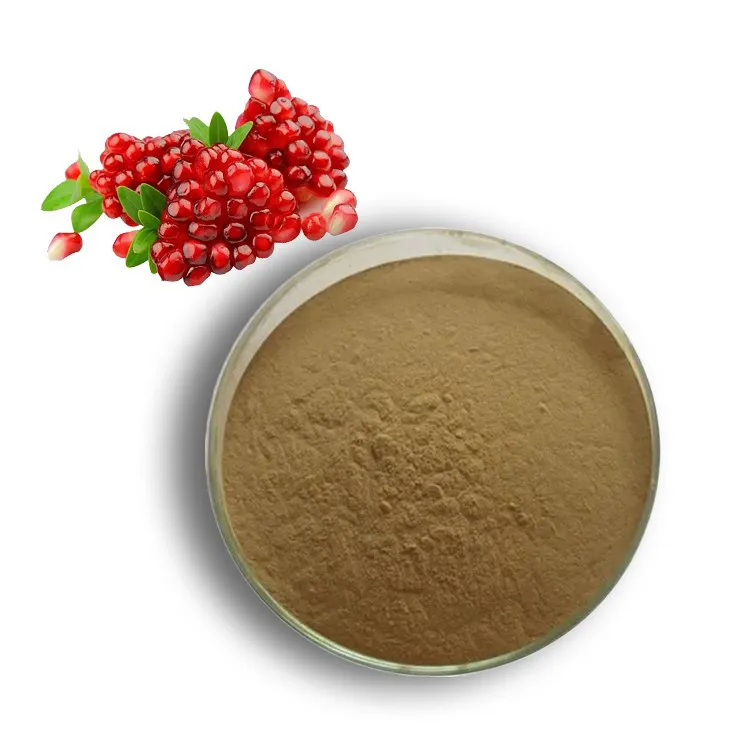
Pomegranate Extract
2026-08-18
-
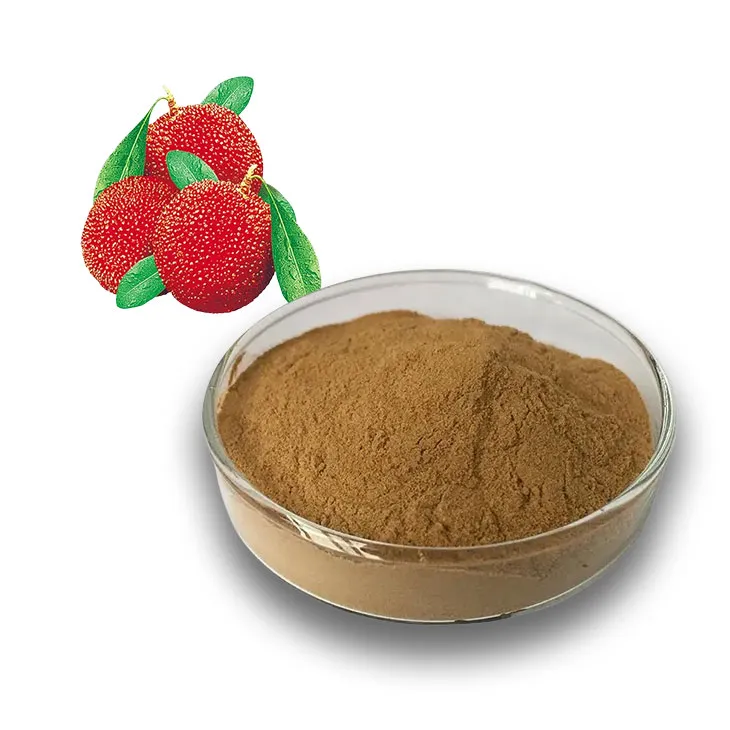
Bayberry Extract
2026-08-18
-
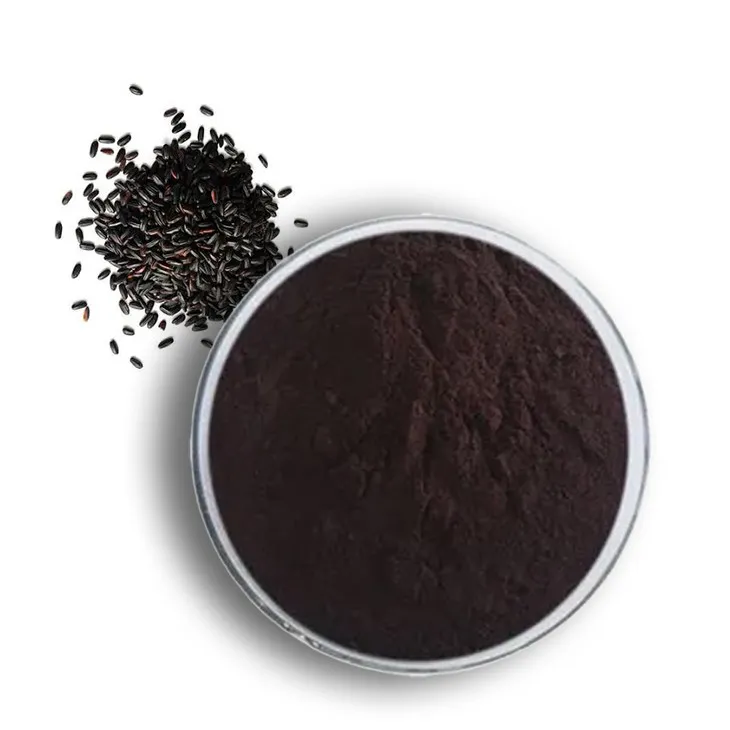
Black Rice Extract
2026-08-18
-
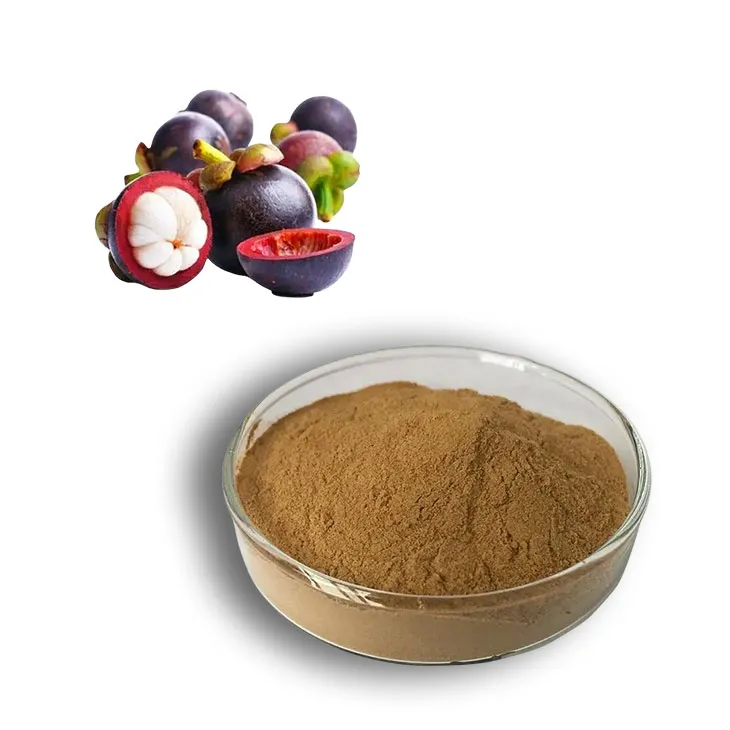
Mangosteen extract powder
2026-08-18
-
Sea buckthorn oil
2026-08-18
-
Yohimbine Bark Extract
2026-08-18
-
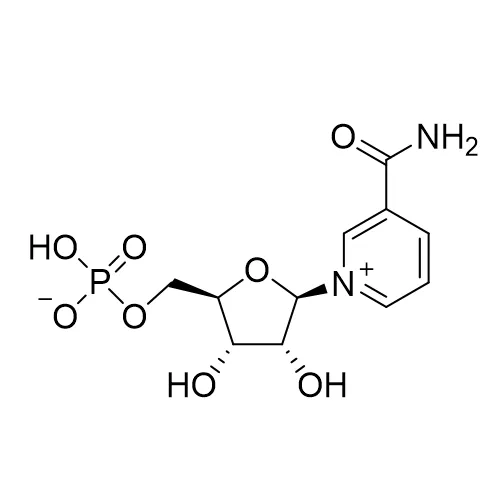
Liposomal NMN
2026-08-18
-
Lotus leaf extract
2026-08-18
