- 0086-571-85302990
- [email protected]





What are the best natural preservatives for food and cosmetics?
2026-08-15
Consumers today read ingredient labels more carefully than ever. Words like "synthetic," "artificial," and "preservative" have become red flags, while "natural," "plant-based," and "clean label" drive purchasing decisions. This shift has pushed food manufacturers and cosmetic formulators to look for alternatives that keep products safe and fresh without relying on chemical additives. But not every natural option performs the same job, and choosing the right one takes a bit of know-how.
A preservative does two main things: it stops or slows the growth of microorganisms such as bacteria, yeast, and mold, and it prevents oxidation that turns fats rancid and degrades colors and nutrients. A good natural preservative should be effective at low concentrations, stable across the pH range of the product, safe for the intended use, and compatible with the other ingredients in the formula. It also needs to come from a supplier who can guarantee consistent quality batch after batch.
The best natural preservatives for food
Rosemary extract is probably the best-known natural option for food. Its active compounds, carnosic acid and rosmarinic acid, are powerful antioxidants that slow lipid oxidation and keep oils, meats, sauces, and baked goods fresh. It is widely used in meat products, dressings, and snack foods, and it is recognized as safe for food use in many markets.
Green tea extract is another strong candidate. Its catechins, especially EGCG, give it both antioxidant and antimicrobial activity. It works well in beverages, confectionery, and processed foods, and it also adds a clean, botanical profile that fits modern clean-label products.
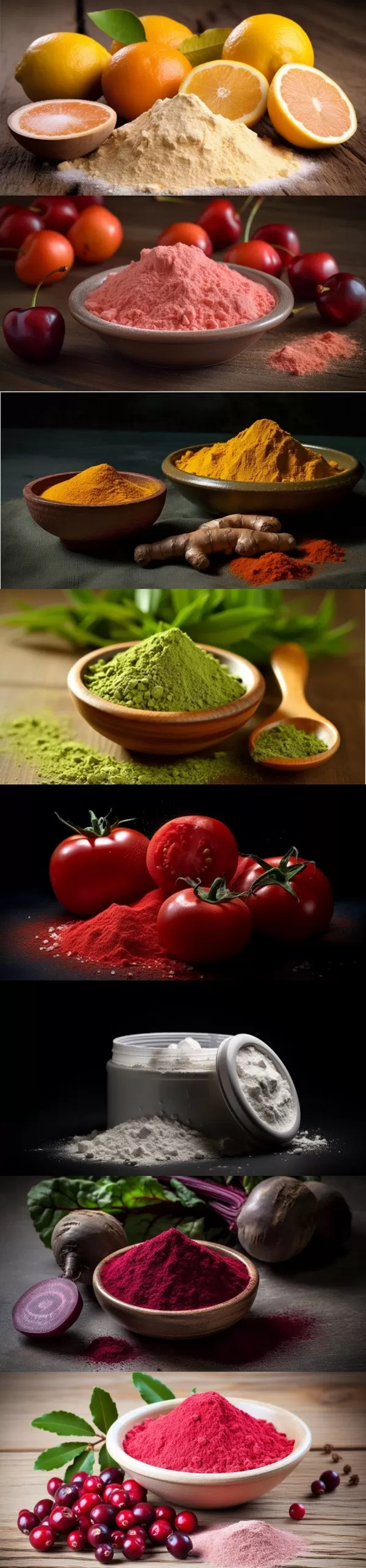
Grape seed extract, rich in proanthocyanidins, is valued for its antioxidant power and its ability to protect fats and oils from going rancid. It is often combined with other natural extracts to create a broader protection profile. Citrus extracts, such as lemon and grapefruit seed extract, bring antimicrobial activity along with a fresh, natural flavor, which makes them popular in juices, dressings, and marinades where a clean taste matters.
Other plant-based options worth mentioning include clove, cinnamon, oregano, and thyme extracts, which are strong against mold and bacteria, and pomegranate extract, which adds antioxidant protection to fruit-based products.
The best natural preservatives for cosmetics
In cosmetics, the challenge is different. Products like creams, lotions, and serums contain water, which makes them a perfect breeding ground for bacteria and mold. Natural options that work well in this space include Rosemary extract, which protects oils and butters from oxidation and extends the life of anhydrous and emulsion formulas.
Green Tea Extract is also a favorite in skincare. Beyond preservation, it brings antioxidant benefits that appeal to consumers looking for functional ingredients. Grape seed extract plays a similar dual role, protecting the formula while contributing to the product's skin-care story.
Other natural preservatives used in cosmetics include tea tree oil, which has strong antimicrobial properties and is common in acne and clarifying products, and citrus seed extracts, which help control microbial growth in water-based formulas. It is worth noting that many formulators combine several natural extracts rather than relying on a single one. A blend of rosemary, green tea, and citrus extracts can cover a wider range of microorganisms and oxidation pathways than any single ingredient alone.
How to choose the right natural preservative
Start by thinking about the product itself. What is the water content? What is the pH? What fats or oils are present? What is the expected shelf life? These factors determine which preservative will actually work. A preservative that performs well in a dry snack may be useless in a water-based serum.
Next, consider the sensory impact. Some extracts carry strong flavors or colors that can change the final product. Rosemary extract, for example, has a distinctive herbal note, so the dosage needs to be balanced carefully in delicate formulas.
Finally, work with a supplier who can provide documentation, stability data, and consistent quality. Natural extracts vary in potency depending on the plant source, harvest time, and extraction method, so a reliable supply chain matters as much as the ingredient itself.
Where quality comes from
This is where sourcing becomes the deciding factor. The same botanical can produce very different extracts depending on how it is grown, harvested, and processed. A manufacturer with its own production lines and laboratory testing can control these variables and deliver a consistent product.
Greensky, a Hangzhou-based manufacturer with more than 20 years of experience in botanical ingredients, produces a wide range of plant extracts under strict quality control. Its Rosemary extract, Green Tea Extract, and grape seed extract are produced in food-grade facilities and tested with modern equipment such as HPLC and GC. For formulators who need a dependable plant extract supplier, working directly with the factory means better traceability, clearer documentation, and more consistent raw materials.
Conclusion
The best natural preservative depends on the product, the target microorganisms, and the shelf life you need to achieve. Rosemary extract, Green Tea Extract, and grape seed extract are among the most versatile and well-documented options for both food and cosmetics. Whatever you choose, the quality of the extract and the reliability of the supplier will ultimately determine how well it performs.
TAGS:
- ▶ Hesperidin
- ▶ Citrus Bioflavonoids
- ▶ Plant Extract
- ▶ lycopene
- ▶ Diosmin
- ▶ Grape seed extract
- ▶ Sea buckthorn Juice Powder
- ▶ Fruit Juice Powder
- ▶ Hops Extract
- ▶ Artichoke Extract
- ▶ Mushroom extract
- ▶ Astaxanthin
- ▶ Green Tea Extract
- ▶ Curcumin
- ▶ Horse Chestnut Extract
- ▶ Other Product
- ▶ Boswellia Serrata Extract
- ▶ Resveratrol
- ▶ Marigold Extract
- ▶ Grape Leaf Extract
- ▶ New Product
- ▶ Aminolevulinic acid
- ▶ Cranberry Extract
- ▶ Red Yeast Rice
- ▶ Red Wine Extract
- ▶ blog
-
Curcumin
2026-08-15
-
Bitter Melon Extract
2026-08-15
-
Hawthorn powder
2026-08-15
-
Giant Knotweed Extract
2026-08-15
-
Phyllanthus Emblica Extract
2026-08-15
-
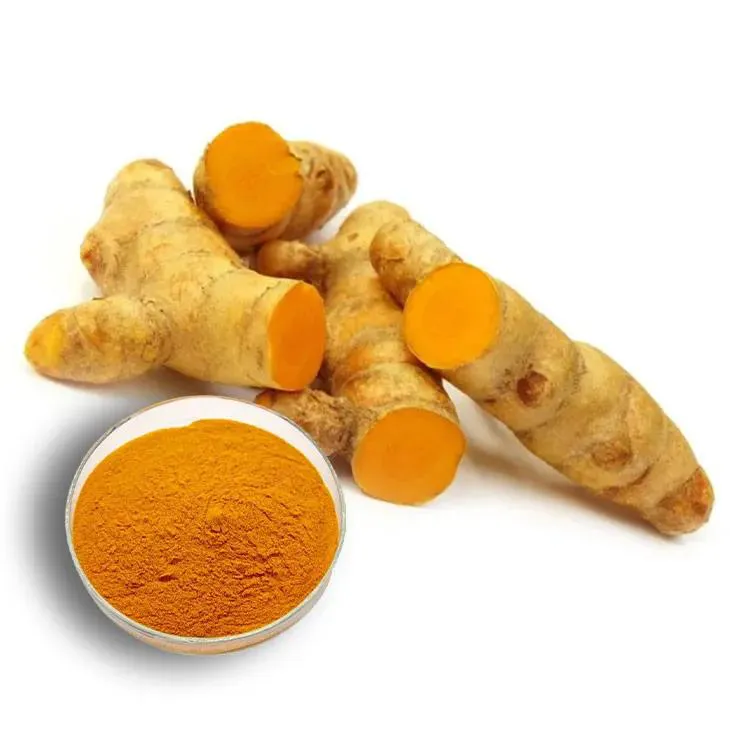
Curcumin
2026-08-15
-
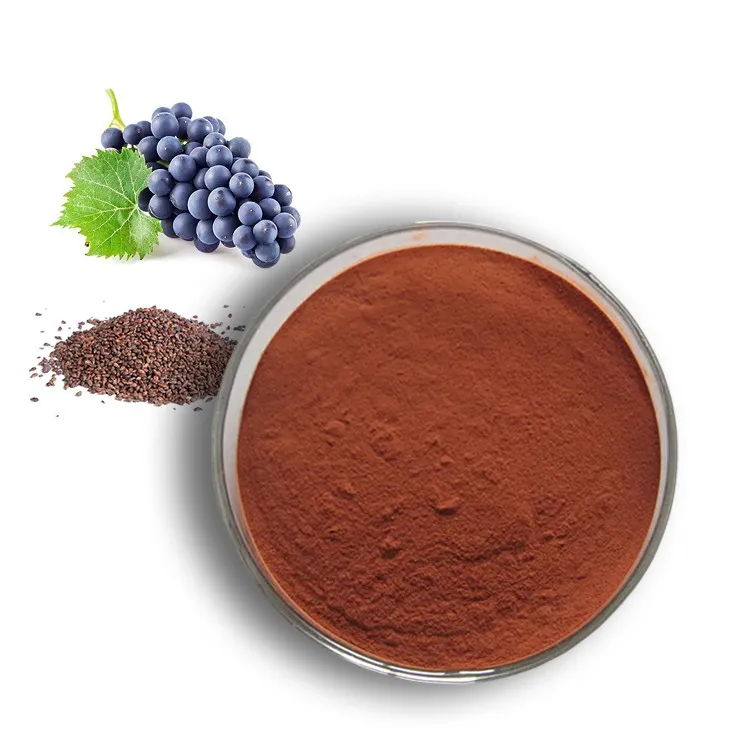
Natural grape seed extract
2026-08-15
-
Epimedium extract powder
2026-08-15
-
Berberis aristata Extract
2026-08-15
-
Dandelion Leaf Extract
2026-08-15