- 0086-571-85302990
- [email protected]




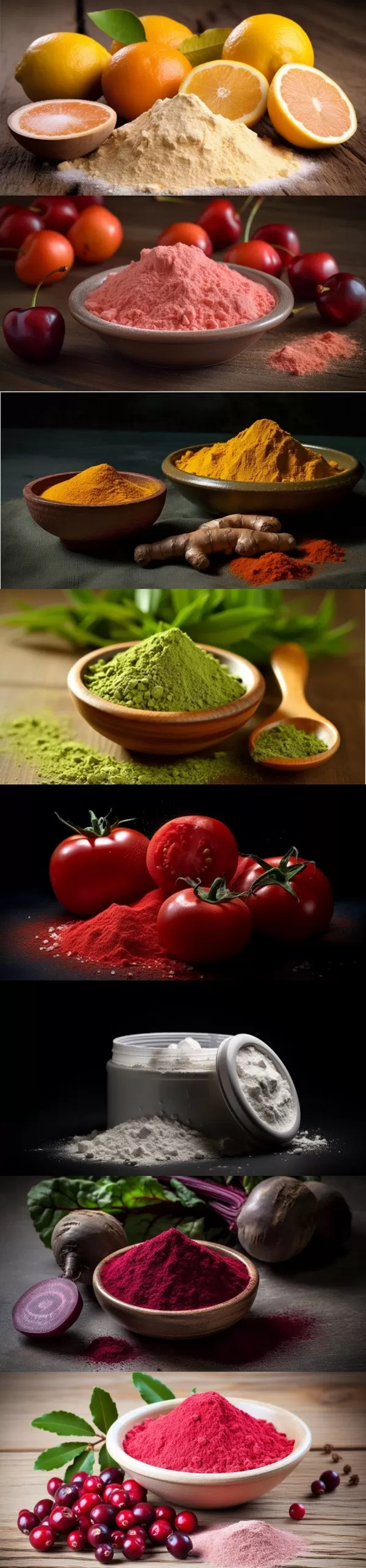

What are the benefits of a hop supplement?
2026-08-14
Hops have been part of human life for centuries, mostly as the ingredient that gives beer its bitterness and aroma. But the dried female flowers of the hop plant, Humulus lupulus, carry a lot more than flavor. Today, concentrated hops extract is finding its way into supplements, teas, and functional foods, and people are starting to ask what it can actually do for them. This article walks through the main benefits of a hop supplement and what the research says so far.
What is a hop supplement?
A hop supplement is a product made from the female flower clusters, or cones, of the hop plant. The cones are harvested, dried, and processed into powders, capsules, or liquid extracts that concentrate the plant's active compounds. Because the raw plant material is bulky and bitter, most modern supplements rely on standardized extracts so that each dose delivers a consistent level of the key components.
The main active groups found in hops are the bitter alpha acids (humulones) and beta acids (lupulones), along with essential oils and a family of plant compounds called prenylflavonoids, including xanthohumol and 8-prenylnaringenin. Each of these contributes something different, which is why hops show up in formulas aimed at sleep, relaxation, digestion, and more.
Better sleep support
Sleep is the benefit hops are best known for, and it is also the one with the most supporting evidence. Hops are thought to work partly by influencing GABA, the brain's main calming neurotransmitter. The bitter acids and essential oils in the plant appear to act together to promote a relaxed, drowsy state rather than a heavy sedated feeling.
Several studies have looked at hops in combination with valerian, another traditional sleep herb, and found that the pairing can shorten the time it takes to fall asleep and deepen sleep quality. Even non-alcoholic hoppy beer has been tested: in a study with work-stressed nurses, drinking it with dinner for two weeks improved nighttime sleep quality, and a similar trial with college students reported better subjective sleep scores after an evening hoppy drink. For people who wake up feeling restless or struggle to wind down, a hop supplement taken before bed is a gentle option worth discussing with a healthcare provider.
Calm and relaxation
Because hops nudge the nervous system toward a calmer state, they are often included in products for everyday stress and tension. In a placebo-controlled crossover trial, healthy young adults taking a hops dry extract for four weeks reported lower scores for anxiety, depression, and stress compared with the placebo period. The effect was modest, but it fits with the plant's long history as a traditional remedy for nervousness and restlessness.
It is worth noting that hops are not a strong sedative in the way prescription sleep aids are. They are better thought of as a mild, natural support for relaxation, which is why they pair well with other calming botanicals such as chamomile, lemon balm, and passionflower.
Antioxidant and anti-inflammatory activity
Hops are rich in polyphenols, and xanthohumol in particular has drawn a great deal of research attention. This prenylflavonoid is a strong antioxidant, and laboratory studies suggest it can help calm inflammatory pathways in the body. Some research has even looked at whether compounds from hops can support liver health and healthy metabolic function, though most of this work is still at the animal or cell level.
The practical takeaway is that hops bring more to the table than sleep. Their antioxidant and anti-inflammatory properties are part of why they appear in wellness formulas aimed at joint comfort, skin health, and general daily defense.
Digestive support as a bitter tonic
Before hops became a sleep aid, they were used mainly as a bitter tonic for the stomach. Bitter-tasting compounds stimulate digestive secretions, which can help support appetite and comfortable digestion after meals. Traditional medicine in North America and Europe used hops for indigestion and as a general digestive bitter, and that use continues in herbal practice today.
Comfort during menopause
Hops contain 8-prenylnaringenin, one of the most potent plant estrogens (phytoestrogens) known. Because of this, hops have been studied for menopausal comfort, particularly hot flashes. Results so far are mixed, and some trials show little overall benefit, but a few have reported improvements in hot flash severity. Anyone with a hormone-sensitive condition should be cautious with hops and check with a doctor first.
Antimicrobial properties
Hops have natural antimicrobial activity, a property brewers have relied on for centuries to help keep beer from spoiling. The bitter acids in hops are particularly active against certain bacteria, which is why hops have also been used topically as an antibacterial agent in traditional practice. This is a quieter benefit, but it is one more reason hops appear in natural care products as well as supplements.
Choosing a quality hop supplement
Not all hop supplements are created equal, and this is where the source matters. A well-made extract should be standardized to a consistent level of active compounds, produced in a clean facility, and backed by testing for purity and safety. Reputable hops extract powder manufacturers follow food-grade production standards and can provide documentation for their raw materials and finished batches.
When you are evaluating a supplier or a finished product, look for clear information about the extraction method, the concentration of key markers, and any third-party testing. Certifications such as ISO, HACCP, or organic standards are useful signals, as is transparency about where the raw hops were grown and how the extract was processed.
Safety and things to keep in mind
Hops are generally well tolerated, and the plant has a long history of safe use in food. That said, a few groups should be careful. Because hops can promote drowsiness, they may add to the effect of alcohol, sleep medications, and other sedatives. The phytoestrogen content means people with hormone-sensitive conditions should avoid them unless a doctor says otherwise. Pregnant and breastfeeding women should also check with their healthcare provider before using a hop supplement. As with any supplement, it is a good idea to start with a lower dose and see how your body responds.
The bottom line
A hop supplement is best known for supporting sleep and relaxation, and that is where the evidence is strongest. Beyond that, hops offer antioxidant and anti-inflammatory activity, digestive support as a bitter tonic, and a phytoestrogen that may help some women through menopause. The effects are generally mild, so hops work best as part of a consistent routine rather than a one-time fix.
If you are looking for a reliable source of standardized Hops Extract for your own product line, working directly with an experienced hops extract supplier gives you control over quality, documentation, and formulation from the very start.

- ▶ Hesperidin
- ▶ Citrus Bioflavonoids
- ▶ Plant Extract
- ▶ lycopene
- ▶ Diosmin
- ▶ Grape seed extract
- ▶ Sea buckthorn Juice Powder
- ▶ Fruit Juice Powder
- ▶ Hops Extract
- ▶ Artichoke Extract
- ▶ Mushroom extract
- ▶ Astaxanthin
- ▶ Green Tea Extract
- ▶ Curcumin
- ▶ Horse Chestnut Extract
- ▶ Other Product
- ▶ Boswellia Serrata Extract
- ▶ Resveratrol
- ▶ Marigold Extract
- ▶ Grape Leaf Extract
- ▶ New Product
- ▶ Aminolevulinic acid
- ▶ Cranberry Extract
- ▶ Red Yeast Rice
- ▶ Red Wine Extract
- ▶ blog
-
Selenium yeast
2026-08-14
-
Curcuma Longa Extract/Turmeric extract
2026-08-14
-
Maitake Mushroom Extract
2026-08-14
-
Baicalin
2026-08-14
-
Scutellaria Extract
2026-08-14
-
Bamboo Leaf extract
2026-08-14
-
Lily extract
2026-08-14
-

Magnolia Bark Extract
2026-08-14
-
Horse Chestnut Extract
2026-08-14
-
Lycopene
2026-08-14