- 0086-571-85302990
- [email protected]






How is lemon extract different from lemon oil and lemon juice?
2026-08-19
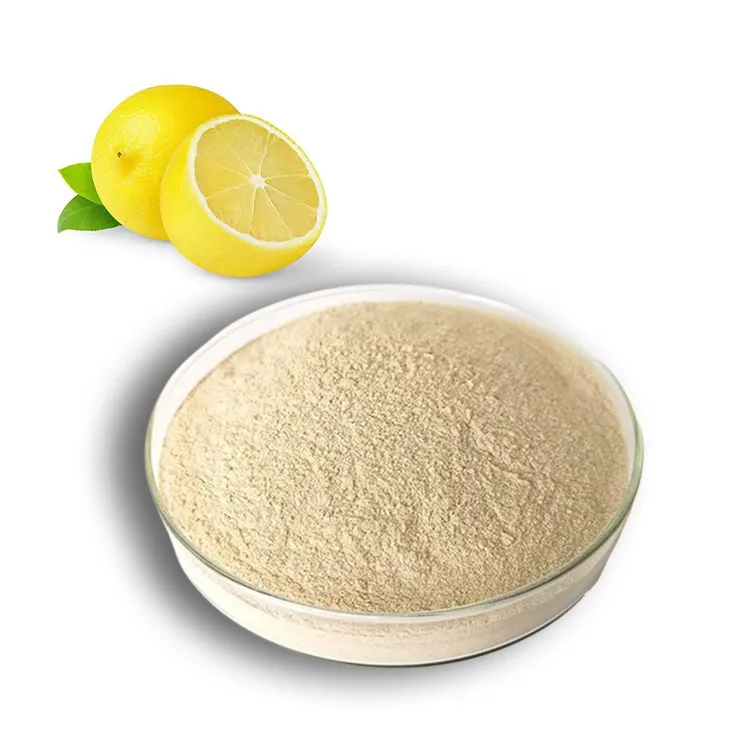
Few fruits are as versatile as the lemon. The same fruit can brighten a marinade, finish a cake, clean a countertop, or be turned into a bottled supplement. But when recipes and product developers talk about "lemon," they are usually referring to one of three very different ingredients: Lemon Extract, lemon oil, and lemon juice. They come from the same fruit, yet each has its own character, and swapping one for another usually changes both the flavor and the finished result.
This article breaks down what each form actually is, how they are made, and when it makes sense to reach for one rather than another. It closes with a note for food and beverage manufacturers, who increasingly prefer stable, standardized ingredients such as lemon extract and lemon juice powder over anything that has to be squeezed fresh.
Lemon Extract: concentrated flavor without the sharp bite
Lemon Extract is made by steeping lemon peels in a solvent, most commonly alcohol or glycerin. Over several weeks the solvent pulls the aromatic oils and flavor compounds out of the peel, producing a clear, concentrated liquid that carries a strong lemon aroma and taste. Because the water and most of the natural acids stay behind in the peel, lemon extract is far less acidic and less bitter than the juice pressed from the pulp.
This is why bakers value it. It delivers a dependable, intense citrus flavor into baked goods and desserts without adding extra moisture and without the tang that can curdle cream or custard. A small amount goes a long way, and because it is a standardized product, a single bottle gives consistent results from one batch to the next.
Lemon oil: the most potent citrus aroma
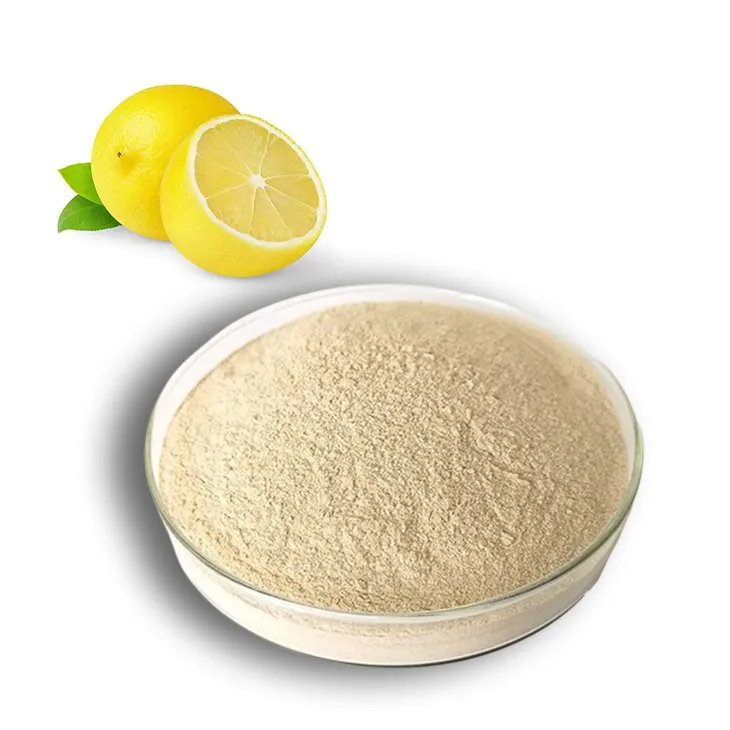
Lemon oil is the most concentrated of the three. It is typically obtained from the rind of the lemon by cold pressing or steam distillation, capturing the essential oil that is naturally packed into tiny glands just below the peel. This oil is intensely aromatic and delivers a bright, citrusy top note that is closer to what you smell when you first peel a lemon than to anything you taste.
Because it is so potent, lemon oil is used in very small amounts. It appears in confectionery, beverages, baked goods, and flavor systems where a clean, pronounced citrus character is needed, and it is also the form most commonly associated with cosmetic and cleaning applications. It is not the same as lemon extract: the oil is a concentrated aromatic, whereas the extract brings a rounder, more complete lemon flavor intended for eating.
Lemon juice: fresh, acidic, and versatile
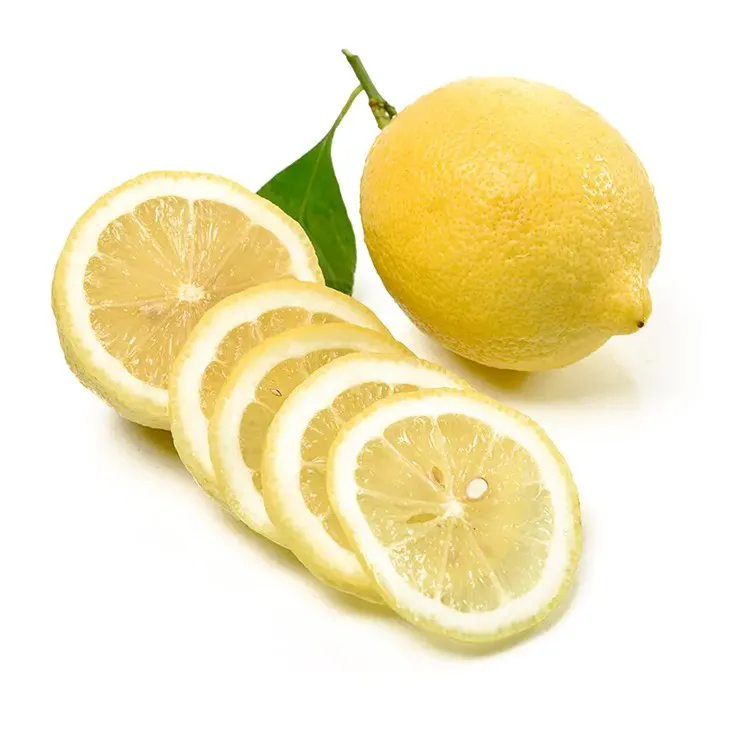
Lemon juice is the liquid squeezed from the fruit pulp. It is naturally tart and acidic, and alongside water it carries a meaningful dose of vitamin C and citric acid. In cooking it pulls double duty: it adds bright citrus flavor and provides acidity that balances sweetness, helps tenderize, and can act as a mild natural preservative in some home canning and dressings.
The trade-off is practicality. Fresh juice spoils quickly, varies in flavor from fruit to fruit, and adds moisture and acidity wherever it is used. That is fine for a marinade or a vinaigrette, but it is exactly why a wet, acidic liquid is not always the easiest ingredient to work with at scale.
Side by side: which is which
| Ingredient | Made from | Character | Best for |
|---|---|---|---|
| Lemon extract | Peels steeped in alcohol or glycerin | Concentrated flavor, low acid | Baked goods, desserts, flavoring |
| Lemon oil | Cold-pressed or distilled rind essential oil | Intense aroma, highly potent | Confectionery, beverages, small doses |
| Lemon juice | Squeezed fruit pulp | Bright, tart, acidic, moisture-rich | Marinades, dressings, sauces, drinks |
In short: choose lemon juice when a recipe needs acid and moisture, lemon extract when you want a consistent lemon flavor without those extra qualities, and lemon oil when only a concentrated, aromatic hit will do.
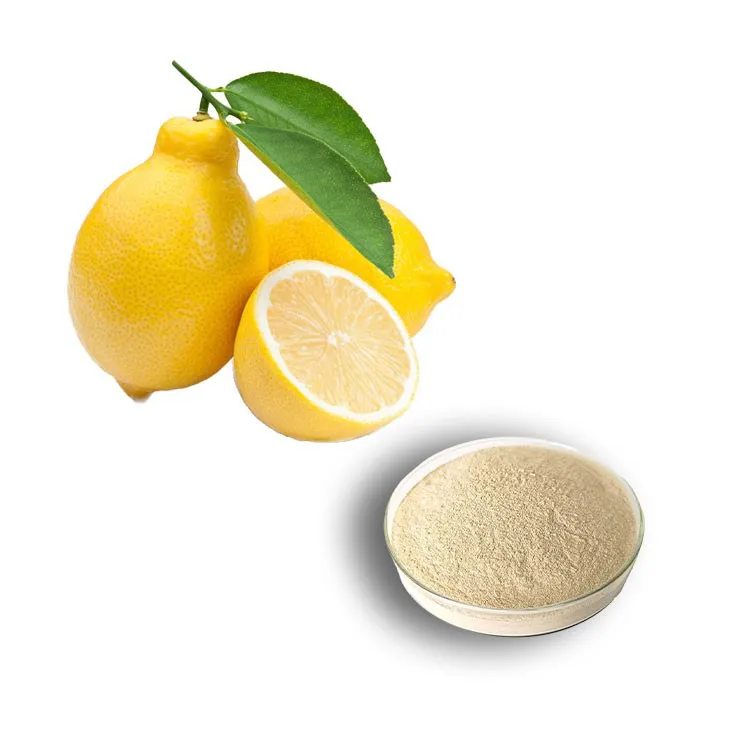
For food and beverage makers: moving from fresh to powder
The three forms above are the ones home cooks are used to, but industrial formulators face an additional consideration: shelf stability and consistency at production scale. Fresh juice is impractical in large batches, and even liquid extracts need careful handling and metering. This is where concentrated powders become attractive.
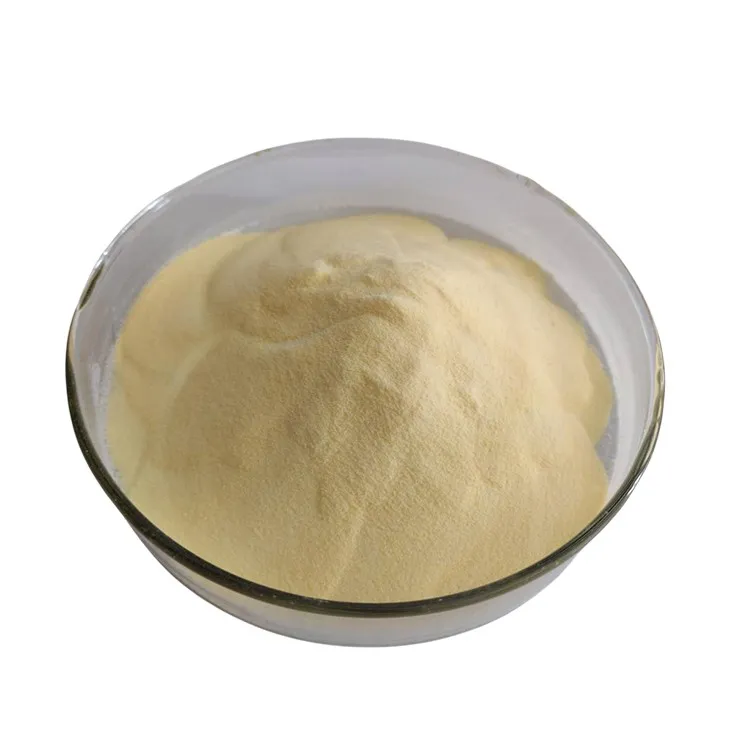
Lemon juice powder is produced by spray-drying lemon juice into a fine, free-flowing powder. It keeps the recognizable citrus flavor and the vitamin-C and antioxidant benefits associated with the fruit while offering a stable, easy-to-store, easy-to-dose ingredient that dissolves easily in water. That combination of convenience, consistency, and long shelf life makes it a pragmatic alternative to fresh juice for beverage mixes, instant drink powders, seasoning blends, bakery applications, and nutritional products.
For manufacturers who want a standardized botanical ingredient rather than a flavoring liquid, a well-characterized lemon extract offers similar benefits, delivering the active, functional character of the fruit in a repeatable form suitable for supplements and health products.
The bottom line
Lemon extract, lemon oil, and lemon juice all start from the same brilliant yellow fruit, but they are not interchangeable. Oil gives you the most concentrated aroma, juice gives you acidity and freshness, and extract gives you a balanced, concentrated flavor you can rely on in baking. For anyone producing food, beverages, or supplements at scale, working with a trusted supplier of standardized lemon ingredients is the simplest way to get consistent, high-quality citrus character in every batch.
TAGS:
- ▶ Hesperidin
- ▶ Citrus Bioflavonoids
- ▶ Plant Extract
- ▶ lycopene
- ▶ Diosmin
- ▶ Grape seed extract
- ▶ Sea buckthorn Juice Powder
- ▶ Fruit Juice Powder
- ▶ Hops Extract
- ▶ Artichoke Extract
- ▶ Mushroom extract
- ▶ Astaxanthin
- ▶ Green Tea Extract
- ▶ Curcumin
- ▶ Horse Chestnut Extract
- ▶ Other Product
- ▶ Boswellia Serrata Extract
- ▶ Resveratrol
- ▶ Marigold Extract
- ▶ Grape Leaf Extract
- ▶ New Product
- ▶ Aminolevulinic acid
- ▶ Cranberry Extract
- ▶ Red Yeast Rice
- ▶ Red Wine Extract
- ▶ blog
-
Lemon Balm Extract
2026-08-19
-
Acerola Juice Powder
2026-08-19
-
Propolis Extract Powder
2026-08-19
-
Lily extract
2026-08-19
-
Panax Ginseng Leaf Extract
2026-08-19
-
Baicalin
2026-08-19
-
Bitter Melon Extract
2026-08-19
-
Coconut Water Powder
2026-08-19
-
Tongkat Ali Extract Powder
2026-08-19
-
Tinospora cordifolia extract
2026-08-19
