We have five factories and 23 years of experience in plant extracts
- 0086-571-85302990
- [email protected]






How is edible rosemary extract standardized for food use?
2026-08-13
Related Product
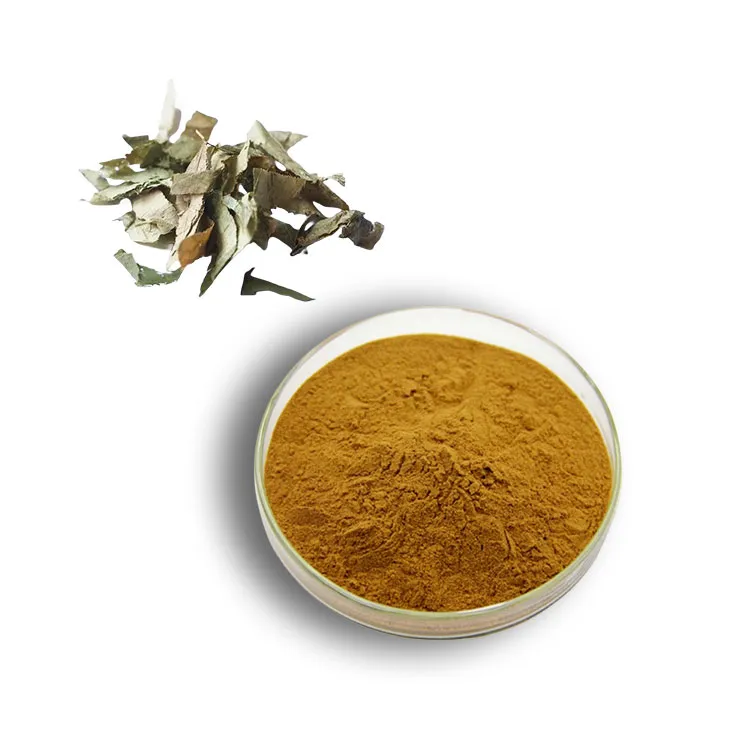
Rosemary extract
We are the leading rosemary extract manufacturer and also the leading supplier and exporter of rosemary extract. We specialize in providing natural and organic rosemary extract to meet your needs.
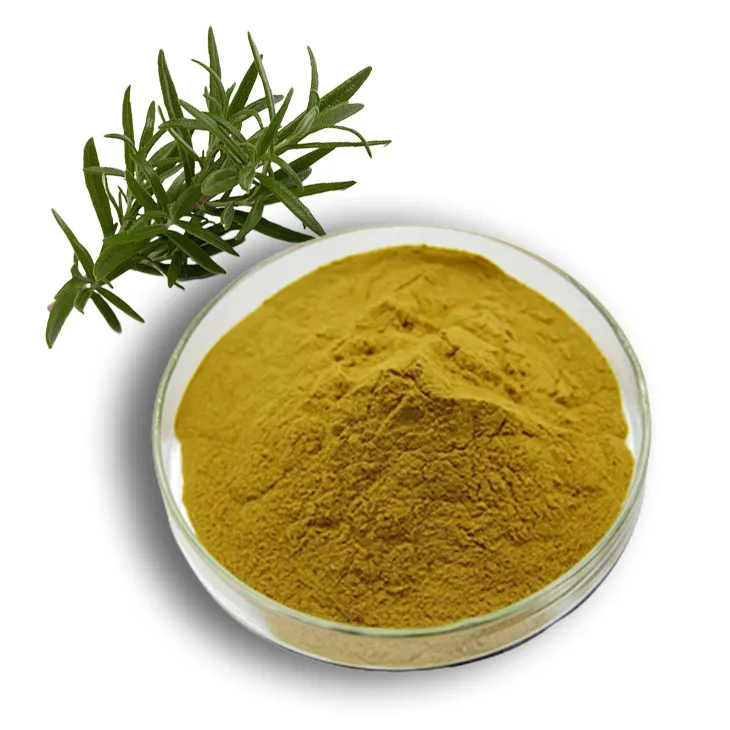
Rosemary is one of the most widely studied botanicals in the food industry, and its value in processed foods rests almost entirely on a single question: how consistent is the extract you are buying? Unlike whole herbs, which naturally vary with harvest, growing region and season, an edible rosemary extract only earns its place in a formulation when it is standardized against well-defined markers. Standardization is what turns a variable raw material into a predictable, specification-driven ingredient that a food manufacturer can rely on batch after batch.
What "standardized" actually means for Rosemary extract
In regulatory and technical terms, standardization of Rosemary extract means fixing the content of its principal antioxidant compounds. Carmosol and carnosic acid are the two phenolic diterpenes that give rosemary its antioxidative power, so nearly every global specification expresses the strength of the extract as the combined total of carnosic acid and carnosol. The Joint FAO/WHO Expert Committee on Food Additives (JECFA) sets this reference at not less than 5% total carnosic acid and carnosol, while commercial grades commonly reach 10%, 13% or even higher depending on the extraction process and the intended application.
Because these two molecules are the active markers, analytical control is the heart of standardization. High-performance liquid chromatography (HPLC) is the method of choice used to quantify carnosic acid and carnosol, and the same method is used to verify that the antioxidant-to-reference-volatiles ratio stays within the required range. Only an extract that clears these identity and assay checks can be described as truly standardized.
The role of solvents and purity criteria
How the extract is standardized is closely tied to how it is produced. Rosemary extract destined for food use is obtained from ground dried leaves of Rosmarinus officinalis L. using food-grade solvents, most commonly acetone or ethanol, followed by filtration, solvent removal, drying and sieving. Concentration and precipitation steps may be added, and diluents or carriers of food-grade quality are used to bring the final product to a target strength.
Equally important are the purity criteria that govern safety. International specifications place strict caps on residual solvents, such as acetone and ethanol, as well as on heavy metals. For example, the JECFA specification limits acetone residue to no more than 50 mg/kg and lead to no more than 2 mg/kg, while arsenic is held to no more than 3 mg/kg. These thresholds are not optional extras; they are part of what makes an extract "edible" and suitable for food applications.
How the EU and global regulators define the grades
In the European union, extracts of rosemary are designated E 392 and are defined through four distinct production methods, each with its own minimum content of reference antioxidative compounds. Acetone-extracted rosemary must contain at least 10% total carnosic acid and carnosol; supercritical carbon dioxide extraction requires at least 13%; and deodorised ethanolic extracts, as well as those further purified with hexane, must reach at least 5%. Across all four routes, the ratio of antioxidants to reference volatiles must be no less than 15%, which ensures the extract retains genuine antioxidant value rather than being merely diluted.
This is why, when a food company sources a rosemary extract supplier, the supplier's ability to document and reproduce these figures matters more than the raw price. A reliable supplier publishes a clear Certificate of Analysis for every lot, states the exact assay of carnosic acid and carnosol, confirms residual solvent and heavy metal compliance, and can show the HPLC data behind the claimed strength.
Why standardized edible rosemary extract belongs in your formulation
For a food formulator, standardized rosemary extract is attractive because it functions as a natural antioxidant that extends shelf life, improves taste stability and enhances nutritional value across food, beverage and health-product applications. Because it is standardized, dosing becomes predictable and regulatory submissions become straightforward, since the safety and identity data are already aligned with international benchmarks such as JECFA and E 392.
Choosing the right partner is the final step. A manufacturer with food-grade production facilities, an independent laboratory equipped with HPLC, and recognized certifications such as ISO22000, BRCGS and HALAL gives you confidence that every batch of edible rosemary extract meets the same specification. When you can verify the numbers, standardization stops being a marketing phrase and becomes a practical guarantee of quality you can build your product on.
TAGS:
FAQ
- ▶ Hesperidin
- ▶ Citrus Bioflavonoids
- ▶ Plant Extract
- ▶ lycopene
- ▶ Diosmin
- ▶ Grape seed extract
- ▶ Sea buckthorn Juice Powder
- ▶ Fruit Juice Powder
- ▶ Hops Extract
- ▶ Artichoke Extract
- ▶ Mushroom extract
- ▶ Astaxanthin
- ▶ Green Tea Extract
- ▶ Curcumin
- ▶ Horse Chestnut Extract
- ▶ Other Product
- ▶ Boswellia Serrata Extract
- ▶ Resveratrol
- ▶ Marigold Extract
- ▶ Grape Leaf Extract
- ▶ New Product
- ▶ Aminolevulinic acid
- ▶ Cranberry Extract
- ▶ Red Yeast Rice
- ▶ Red Wine Extract
- ▶ blog
Recommended Products
-
Senna Leaf Extract
2026-08-13
-
Sea buckthorn Juice Powder
2026-08-13
-
Magnolia Bark Extract
2026-08-13
-
Europen Bilberry Extract
2026-08-13
-
Baicalin
2026-08-13
-
Thunder God Vine Extract
2026-08-13
-
Yam Extract
2026-08-13
-
Selenium yeast
2026-08-13
-
Hawthorn powder
2026-08-13
-
Epimedium extract powder
2026-08-13
Get a Quote
