- 0086-571-85302990
- [email protected]






How is artichoke extract powder standardized?
2026-08-18
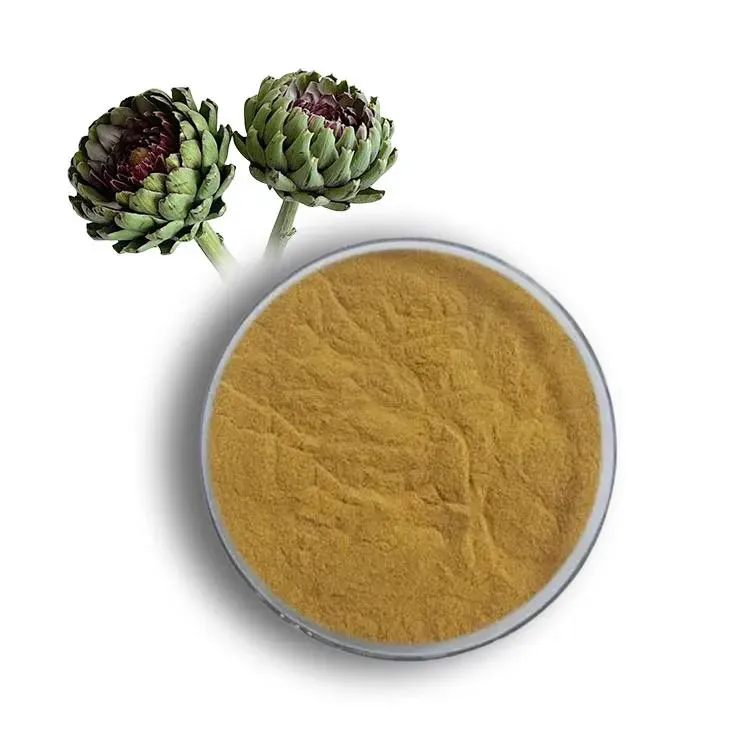
Artichoke Extract powder is one of the most widely used botanical ingredients in dietary supplements and functional foods, valued for its support of liver health, healthy digestion, and antioxidant defense. Yet not all Artichoke Extract powders are the same. The difference between a dependable ingredient and an inconsistent one often comes down to a single word: standardization. This article explains what standardization means for Artichoke Extract powder, how it is carried out in a professional manufacturing facility, and what buyers should check before sourcing.
What does "standardized" mean for artichoke extract powder?
Standardization is the process of ensuring that every batch of an extract contains a consistent, defined level of one or more active marker compounds. For artichoke, the most commonly used marker is cynarin, a caffeoylquinic acid found naturally in artichoke leaves. A standardized artichoke leaf extract is manufactured to meet an agreed cynarin specification, verified by a validated analytical method.
Why does this matter? Because the concentration of active compounds in raw artichoke leaves varies naturally with growing region, harvest season, and plant variety. Without standardization, two batches of "artichoke extract" could differ noticeably in potency, making it difficult for formulators to deliver a consistent finished product and for brands to support their label claims.
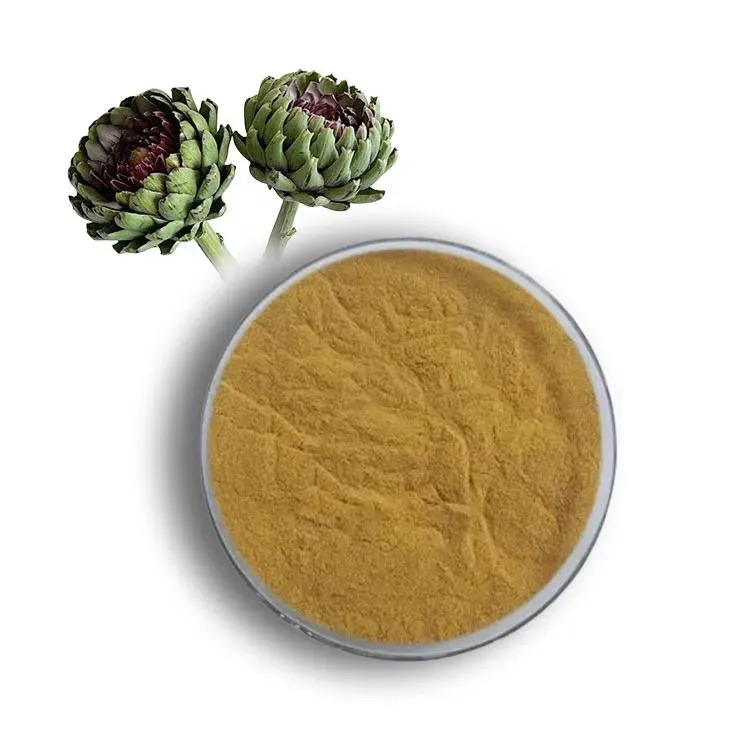
The standardization process step by step
Producing a standardized artichoke extract powder involves a controlled chain of steps, each of which affects the quality of the final material.
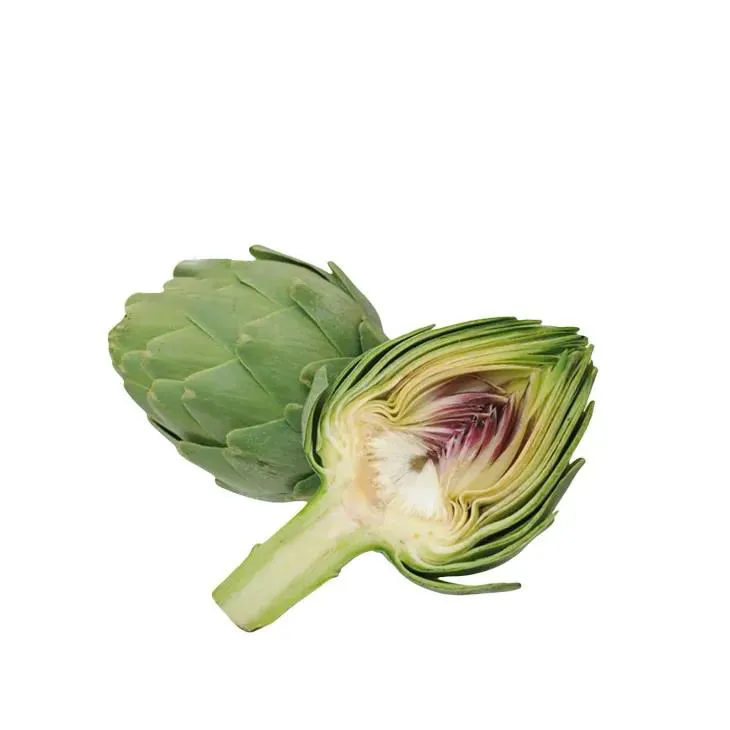
- Raw material selection and botanical identity. Standardization begins long before the extraction tank. The manufacturer must confirm the botanical identity of the raw material, for artichoke this is Cynara scolymus L. (globe artichoke) leaf. Documented sourcing, origin records, and incoming inspection help ensure that only the correct plant part enters production.
- Extraction. Clean, dried artichoke leaves are extracted with food-grade solvents under controlled temperature and time. The extraction conditions directly influence which compounds are recovered and their concentration in the final powder.
- Concentration. The crude extract is concentrated under vacuum at low temperature to remove solvent and raise the concentration of active compounds. High-efficiency low-temperature concentrators help protect heat-sensitive phenolic compounds such as cynarin.
- Purification and standardization. Depending on the target specification, the concentrated extract may be further purified or carefully blended so that the marker content reaches the agreed level. This is the stage where the batch is adjusted toward the published specification.
- Spray drying. The standardized liquid extract is converted into a free-flowing powder using a spray drying tower. Process parameters such as inlet temperature, feed rate, and atomization are controlled to preserve marker content and achieve the desired particle size and moisture.
- Sieving and blending. The dried powder is sieved to a uniform particle size and blended to improve batch homogeneity, ensuring consistent density, flow, and dispersibility.
- Quality control testing. Before release, every batch is tested in the laboratory. High-performance liquid chromatography (HPLC) is the most common method for quantifying cynarin. Additional tests cover moisture, particle size, heavy metals, and microbiology, with residual solvents and pesticides checked where required.
- Certificate of Analysis (COA). Each released batch is accompanied by a COA documenting the actual test results, including the cynarin assay, physical properties, and safety parameters. The COA is the key document buyers use to verify that the powder meets the agreed specification.
Key specification parameters to review
When evaluating a standardized artichoke extract powder, the following parameters are typically listed on the specification sheet:
| Parameter | Typical value |
|---|---|
| Botanical source | Cynara scolymus L. leaf |
| Marker compound | Cynarin |
| Assay method | HPLC or agreed validated method |
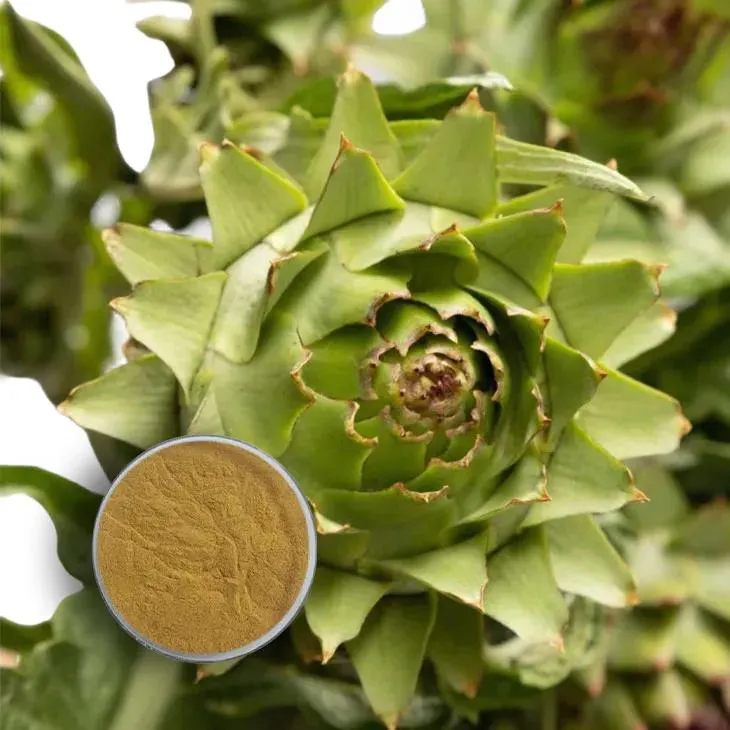
| Appearance | Green-brown to brown fine powder |
| Particle size | Typically 80–100 mesh |
| Moisture | Typically no more than 5.0% |
| Heavy metals | Controlled to regulatory limits |
| Microbiology | Total plate count, yeast and mold, E. coli, Salmonella |
| Shelf life | Typically 24 months in unopened packaging |
Common grades: cynarin 2.5% versus 5%
Standardized Artichoke Leaf Extract is commonly offered in cynarin grades such as 2.5% and 5%. The right choice depends on the formulation. A 5% grade allows a lower inclusion weight per serving, which is useful when capsule or tablet space is limited. A 2.5% grade may suit larger powder servings or products with a more moderate target marker level. In either case, buyers should confirm whether the assay is a minimum or a controlled range, and whether the result is reported as-is or on a dry basis.
Why standardization matters for buyers
For procurement and formulation teams, standardization is the foundation of batch-to-batch consistency. It supports accurate label claims, predictable sensory and physical performance, and smoother regulatory documentation. It also makes it possible to compare suppliers on a like-for-like basis, looking at the cost per delivered unit of cynarin rather than the price per kilogram alone.
How to verify quality before sourcing
- Request the specification sheet and recent COAs from several batches to check consistency.
- Confirm the analytical method and the reference standard behind the assay result.
- Ask for an evaluation sample and run identity and assay verification in your own laboratory.
- Review the supplier's facility certificates and confirm who actually manufactures and releases the batch.
- Verify traceability from the raw material lot to the finished batch and shipment documentation.
Why choose Greensky as your artichoke extract supplier
Hangzhou Greensky Biological Tech. Co., Ltd. is a professional manufacturer of natural plant extracts with more than 20 years of experience in identifying, researching, developing, and producing active botanical ingredients. The company operates with full vertical integration across research, development, production, and sales, and its production base includes a 100,000-class clean area that meets food-grade requirements.
Greensky maintains an independent laboratory equipped with HPLC, GC, and UV instruments, and uses multi-functional extraction tanks, high-efficiency low-temperature concentrators, spray drying towers, and vacuum drying boxes to control every stage of the standardization process. The company holds ISO22000, BRCGS, Ecocert Organic, SGS-GMP, ISO9001, HALAL, and Kosher certifications, and exports to markets including Europe, the United States, South Korea, and Russia.
As an experienced artichoke extract supplier, Greensky provides standardized Artichoke Leaf Extract and artichoke extract for dietary supplements and functional foods, with complete documentation to support global regulatory submissions.
Conclusion
Standardization is what turns a variable botanical material into a reliable, reproducible ingredient. From botanical identity to HPLC testing and the Certificate of Analysis, every step matters. When you work with an experienced manufacturer, you receive more than powder, you receive consistency, documentation, and confidence. If you are sourcing artichoke extract powder for your next formulation, contact Greensky to request a specification, sample, or bulk quotation.
- ▶ Hesperidin
- ▶ Citrus Bioflavonoids
- ▶ Plant Extract
- ▶ lycopene
- ▶ Diosmin
- ▶ Grape seed extract
- ▶ Sea buckthorn Juice Powder
- ▶ Fruit Juice Powder
- ▶ Hops Extract
- ▶ Artichoke Extract
- ▶ Mushroom extract
- ▶ Astaxanthin
- ▶ Green Tea Extract
- ▶ Curcumin
- ▶ Horse Chestnut Extract
- ▶ Other Product
- ▶ Boswellia Serrata Extract
- ▶ Resveratrol
- ▶ Marigold Extract
- ▶ Grape Leaf Extract
- ▶ New Product
- ▶ Aminolevulinic acid
- ▶ Cranberry Extract
- ▶ Red Yeast Rice
- ▶ Red Wine Extract
- ▶ blog
-
Scutellaria Extract
2026-08-18
-
Red Vine Extract
2026-08-18
-
Hawthorn Extract
2026-08-18
-
Yam Extract
2026-08-18
-
Feverfew Extract
2026-08-18
-
Hedyotis Diffusa Extract
2026-08-18
-
Maitake Mushroom Extract
2026-08-18
-
Plantain extract
2026-08-18
-
Phellodendron Extract
2026-08-18
-
Avocado Extract Powder
2026-08-18
