- 0086-571-85302990
- [email protected]






How do pesticide free plant extracts support clean-label claims?
2026-08-14
The clean-label movement has grown from a niche preference into a mainstream purchasing habit. More and more shoppers are reading ingredient lists, checking claims such as "free-from" and "naturally sourced," and looking for products that feel simple, honest, and easy to understand. For supplement and food brands, one of the strongest ways to meet this expectation is to build a formula on ingredients that carry credible clean-label claims. Pesticide-free plant extracts have become one of the most practical pathways to do exactly that.
But what does it actually mean for a plant extract to be pesticide-free, and why does it matter so much to a label? This article breaks down the connection between pesticide-free sourcing and clean-label claims, explains how the assurance is verified, and offers practical guidance for choosing a plant extract supplier that can back the claim with real evidence.
What a clean-label claim really means
A clean label is not a single certified standard. It is a promise, usually communicated on the front or back of a pack, that the product is made with recognizable, minimally processed ingredients and without ingredients consumers view as artificial or concerning. Common elements include short ingredient lists, familiar names, no synthetic colors or flavors, limited additives, and transparent sourcing.
Within this framework, "free-from" claims carry particular weight. Words such as pesticide-free, non-GMO, organic, and no artificial preservatives tell a consumer that a product has been deliberately kept away from substances they worry about. Pesticide residues are among the most sensitive of these concerns because they are invisible, difficult for a consumer to assess, and directly tied to how a raw botanical is grown.
Why pesticide residues clash with a clean label
Conventionally grown botanicals are often treated with agricultural chemicals to protect crops from pests and disease. Even when a plant is harvested and processed carefully, trace amounts of active substances can remain in dried leaves, roots, seeds, or fruits, and these residues can carry through into a concentrated extract. For a brand that wants to make a clean-label claim, the presence of even a small and technically legal residue can undermine the message.
The reason is simple trust. A consumer choosing a clean-label product is often specifically avoiding chemical exposure. If a formula claims to be naturally sourced but the ingredient sheet offers no evidence about pesticide control, the claim feels hollow. Pesticide-free plant extracts close that gap by starting the clean story at the very beginning of the supply chain, in the field, rather than waiting until the finished product.
How pesticide-free plant extracts support the claim
A pesticide-free plant extract supports a clean-label claim in several concrete ways. First, it makes the sourcing story easy to explain. Instead of a vague promise, the brand can say that the botanical was grown under controlled conditions without the use of chemical pesticides, which is a message consumers can picture and trust.
Second, it reduces the need for explaining or disclosing residue testing outcomes. A supplier that manages pesticide risk at the source produces a cleaner raw material, which makes the final label simpler and more defensible. Third, it aligns with the broader clean-label values of transparency and minimal processing, because the ingredient has not been subjected to the chemical load that often accompanies conventional agriculture.
This is where a reliable manufacturer makes a real difference. A plant extract manufacturer that controls raw material sourcing, operates its own production, and maintains an in-house testing laboratory can provide a much stronger foundation for a clean-label claim than a supplier that simply buys and resells extracts.
Verification: turning a claim into evidence
A clean-label claim about pesticides is only as strong as the evidence behind it. Responsible suppliers verify pesticide-free status through laboratory testing against recognized panels. Well-known references include the multi-residue pesticide screens used with the United States Pharmacopeia (USP) and the European Pharmacopoeia (EP), which check a wide range of active substances in one analysis. A supplier that routinely tests batches against such standards, and can share the certificates, gives a brand real material for its label and its due-diligence file.
Testing alone, however, is not the whole answer. Strong pesticide control is built on good agricultural practices, careful selection of raw materials, and a clean production environment. When choosing a partner, brands should look for documented quality systems, recognized certifications such as ISO22000, BRCGS, HALAL, and Kosher, and a facility that can demonstrate consistent batch-to-batch control.
Choosing a supplier that can back the claim
The practical takeaway for brands is straightforward: the clean-label claim starts upstream. Working with a plant extract supplier that understands the importance of pesticide control, verifies it through testing, and can document the full chain from raw botanical to finished powder makes it far easier to build and defend a clean label.
It is equally wise to look for broad capability. A single factory that supplies a wide range of plant extracts, from familiar green tea and rosemary to specialty botanicals, allows a brand to keep its ingredient list consistent and its supply chain simple, both of which support clean-label values.
If you are developing a supplement or food product with a clean-label story in mind, start the conversation with a partner who can show you how the raw material is grown, how it is tested, and how it is documented. That is the difference between a claim on a package and a claim you can actually keep. For a starting point, explore the full range of plant extract products and how they are produced.
TAGS:
- ▶ Hesperidin
- ▶ Citrus Bioflavonoids
- ▶ Plant Extract
- ▶ lycopene
- ▶ Diosmin
- ▶ Grape seed extract
- ▶ Sea buckthorn Juice Powder
- ▶ Fruit Juice Powder
- ▶ Hops Extract
- ▶ Artichoke Extract
- ▶ Mushroom extract
- ▶ Astaxanthin
- ▶ Green Tea Extract
- ▶ Curcumin
- ▶ Horse Chestnut Extract
- ▶ Other Product
- ▶ Boswellia Serrata Extract
- ▶ Resveratrol
- ▶ Marigold Extract
- ▶ Grape Leaf Extract
- ▶ New Product
- ▶ Aminolevulinic acid
- ▶ Cranberry Extract
- ▶ Red Yeast Rice
- ▶ Red Wine Extract
- ▶ blog
-
Artichoke Extract
2026-08-14
-
Almond Extract Powder
2026-08-14
-
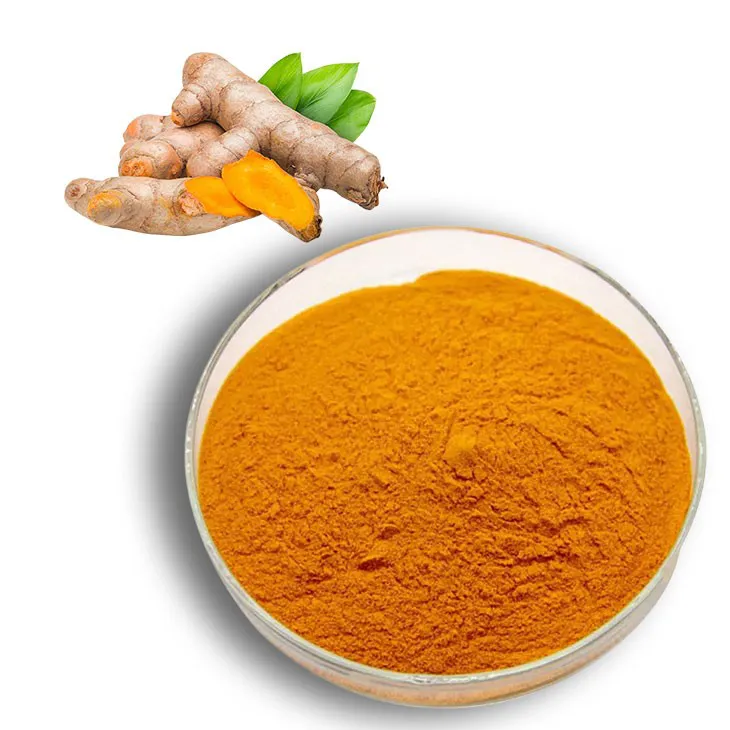
Curcuma Longa Extract/Turmeric extract
2026-08-14
-
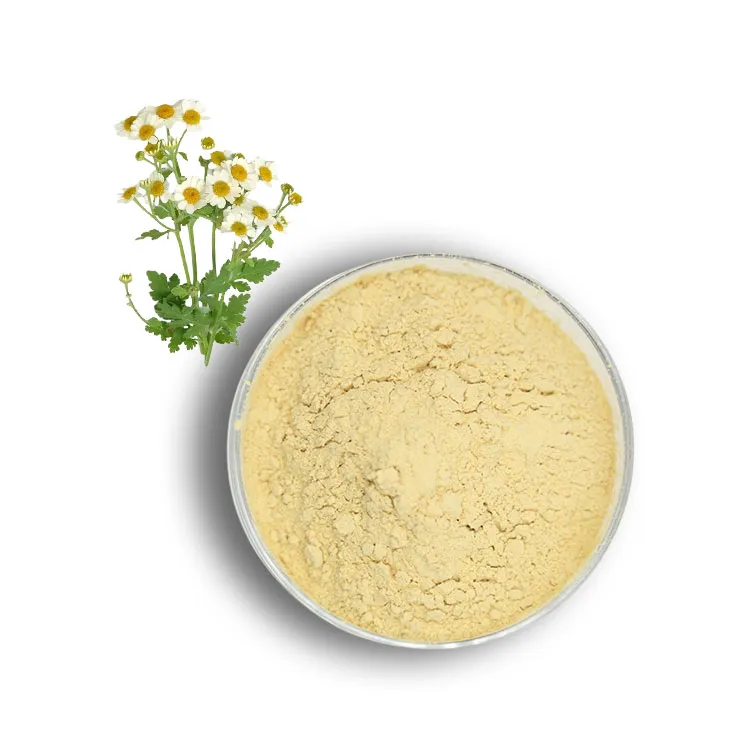
Feverfew Extract
2026-08-14
-
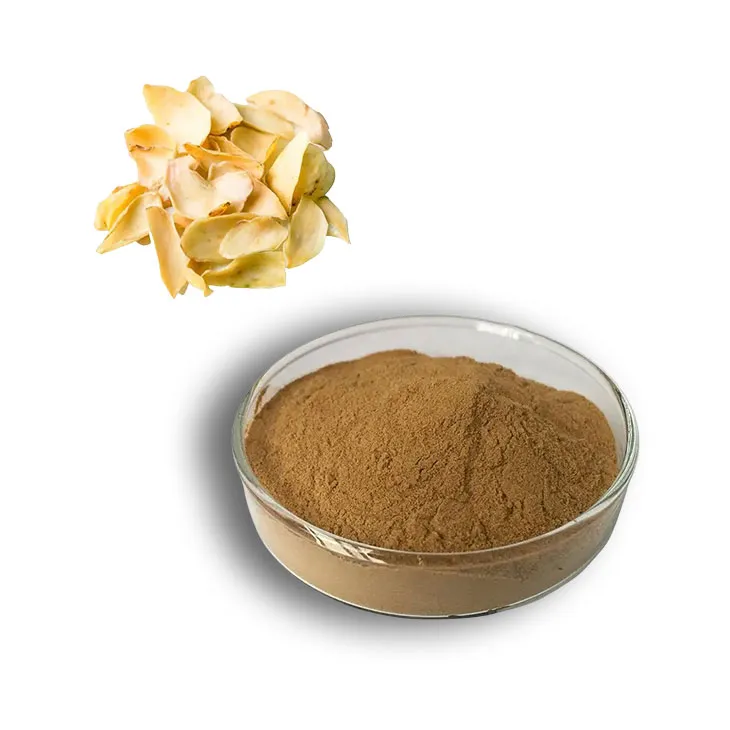
Lily extract
2026-08-14
-
Gamma-Aminobutyric Acid
2026-08-14
-
Senna Leaf Extract
2026-08-14
-
Chaga Mushroom Extract
2026-08-14
-
White Willow Bark Extract
2026-08-14
-
Tinospora cordifolia extract
2026-08-14
