- 0086-571-85302990
- [email protected]






How do I evaluate a bulk botanical extract supplier for reliability?
2026-08-12
Choosing a bulk botanical extract supplier is one of the most consequential decisions a supplement or food brand makes. Your customers never meet the company that grows the chamomile or processes the turmeric in their product, but they certainly notice when quality drifts. A batch that arrives with inconsistent potency, unexpected contaminants, or a missing certificate can trigger complaints, recalls, and a damaged reputation that takes years to repair. That is why evaluating a supplier for reliability before signing a contract matters far more than the headline price.
Reliability is not a single attribute. It is a combination of credentials, production control, testing discipline, traceability, and the willingness to answer awkward questions. The good news is that each of these can be checked in a structured way. This guide walks through the practical steps that experienced sourcing teams use to separate a dependable plant extract supplier from one that merely looks good on paper.
Start with certifications that can actually be verified
Certifications are the first and easiest signal of a supplier's commitment to quality, but not all certifications carry the same weight. Food-grade and supplement-grade botanical extracts should be backed by internationally recognized standards such as ISO 22000 for food safety, ISO 9001 for quality management, and GMP programs that govern clean production and hygiene. For brands serving global markets, additional credentials such as BRCGS, HALAL, Kosher, and organic certification demonstrate that the facility can meet the requirements of different regions and customer bases.
A reliable manufacturer does not treat these as decoration. Health-conscious formulators should ask for current copies of the certificates and confirm both the scope and the validity dates. A mature producer will have a long list to share. Hangzhou Greensky Biological Tech. Co., Ltd., for example, holds ISO22000, BRCGS, Ecocert Organic Standard, SGS-GMP, ISO9001, HALAL, and Kosher certifications, and it openly lists them on its website. If a supplier cannot produce a single verifiable certificate, that alone is enough to move them to the bottom of the list.
Look for a manufacturer, not just a reseller
The biggest structural difference between suppliers is whether they manufacture the extract or simply trade it. A trading company or wholesaler buys finished goods from multiple factories and resells them, which means another layer of middlemen between you and the actual production. That layer makes traceability harder and quality control less direct. A genuine plant extract manufacturer owns its production facilities, controls the process from raw material to finished powder, and can answer detailed questions about extraction methods and testing.
Vertical integration is an even stronger signal. A supplier that controls research, development, production, and sales within one group can keep quality consistent across every stage. Greensky, established in 2004, operates five wholly owned subsidiaries covering production, red yeast rice fermentation, research and development, and warehousing, with a wholly owned extraction factory. When a company has that degree of control, it has few excuses for inconsistent output.
Demand a Certificate of Analysis for every batch
A Certificate of Analysis (COA) is the single most important document in botanical extract sourcing. It records the results of testing for the active compounds, heavy metals, microbiological counts, pesticide residues, and residual solvents for a specific production lot. Every shipment should come with a COA that ties back to a visible batch number. A generic certificate with no batch number, or one that looks photocopied, is a warning sign rather than reassurance.
Reliability also shows up in how often testing happens. The best suppliers test every batch and provide the documentation alongside delivery. They maintain in-house laboratories equipped with instruments such as HPLC, GC, and UV that allow them to verify potency and purity continuously. Facilities like Greensky's are built around this discipline, with an independent laboratory and instruments including GC, HPLC, and UV, plus a 100,000-class clean production area that meets food-grade requirements. When a supplier can walk you through its own testing workflow and equipment, you can trust that the COA reflects real work rather than a template.
Check scalability before you need it
Many brands fail to ask about production capacity until a sudden jump in orders exposes the supplier's limits. A supplier that can only handle small batches may be perfect for a startup stage, but if it cannot ramp up while keeping quality constant, you will be searching for a new partner exactly when you are busiest. Ask about monthly output, lead times for large orders, and whether the facility has the equipment to handle scale without dropping potency.
Industrial-scale equipment is a practical indicator. Greensky's production lines include 6-ton multi-functional extraction tanks, high-efficiency low-temperature concentrators, a spray drying tower, a vacuum drying box, a separator column, and a rotating disc contactor. Dedicated equipment of this kind supports consistent batches from hundreds of kilograms to larger volumes, which is exactly the kind of capacity a growing brand needs from a bulk botanical extract partner.
Trace raw materials back to the source
Reliability rests on knowing where the plants come from and how they are grown. A supplier that cannot explain the origin of its raw materials, the harvesting process, or the farms it works with is hiding something. Traceability matters for two reasons: it lets you confirm the botanical species and quality of the raw material, and it protects you if a regulatory question ever arises about a specific batch.
Ask whether the supplier visits or audits its farms, and how it verifies growing conditions and pesticide use. Producers with a long operating history tend to have stable, well-managed sourcing relationships. A company founded in 2004 has spent more than two decades refining its supply chain, which is a quieter but very real indicator of reliability.
Test communication speed and honesty early
The way a supplier responds during the inquiry phase often predicts how it will behave during a crisis. Reliable suppliers reply to initial questions promptly, usually within 24 to 48 hours, explain technical terms clearly instead of hiding behind jargon, and send samples quickly with clear instructions. Pay attention to how they handle problems. A supplier that proactively explains a delay or a slightly off-spec result, then offers a solution, is showing the transparency that matters most.
A useful test is to ask a genuinely difficult question about your product area. For example, if you are sourcing functional red yeast rice, a serious supplier should be able to discuss Monacolin K content ranges and citrinin-free processing rather than giving a vague answer. Thoughtful, specific responses are the mark of a team that understands its own products.
Weigh the red flags that should stop you
Across all your checks, certain warning signs should end the conversation regardless of how attractive the price looks. Prices far below the market average usually mean diluted extracts, lower-grade raw materials, or skipped testing. Vague answers about sourcing, missing or generic documentation, and pressure to sign before you have finished vetting are all reasons to walk away. A genuine manufacturer has no reason to hide its process, its testing, or its certificates.
The most reliable bulk botanical extract suppliers are the ones that answer your questions openly, show you verifiable certifications and batch-level test results, and can scale without compromising quality. Evaluating a supplier this way takes time, but it protects your brand's reputation and saves you from the far more expensive process of fixing a bad batch after it has reached your customers.
If you are looking for a manufacturing partner with more than two decades of experience, full vertical integration, internationally recognized certifications, and batch-level quality control, exploring a specialized producer such as a plant extract supplier like Greensky is a strong place to start. Their product catalog spans plant extracts, functional red yeast rice supplier, fruit juice powder, and functional food raw materials, and they welcome detailed technical questions before you commit.
- ▶ Hesperidin
- ▶ Citrus Bioflavonoids
- ▶ Plant Extract
- ▶ lycopene
- ▶ Diosmin
- ▶ Grape seed extract
- ▶ Sea buckthorn Juice Powder
- ▶ Fruit Juice Powder
- ▶ Hops Extract
- ▶ Artichoke Extract
- ▶ Mushroom extract
- ▶ Astaxanthin
- ▶ Green Tea Extract
- ▶ Curcumin
- ▶ Horse Chestnut Extract
- ▶ Other Product
- ▶ Boswellia Serrata Extract
- ▶ Resveratrol
- ▶ Marigold Extract
- ▶ Grape Leaf Extract
- ▶ New Product
- ▶ Aminolevulinic acid
- ▶ Cranberry Extract
- ▶ Red Yeast Rice
- ▶ Red Wine Extract
- ▶ blog
-
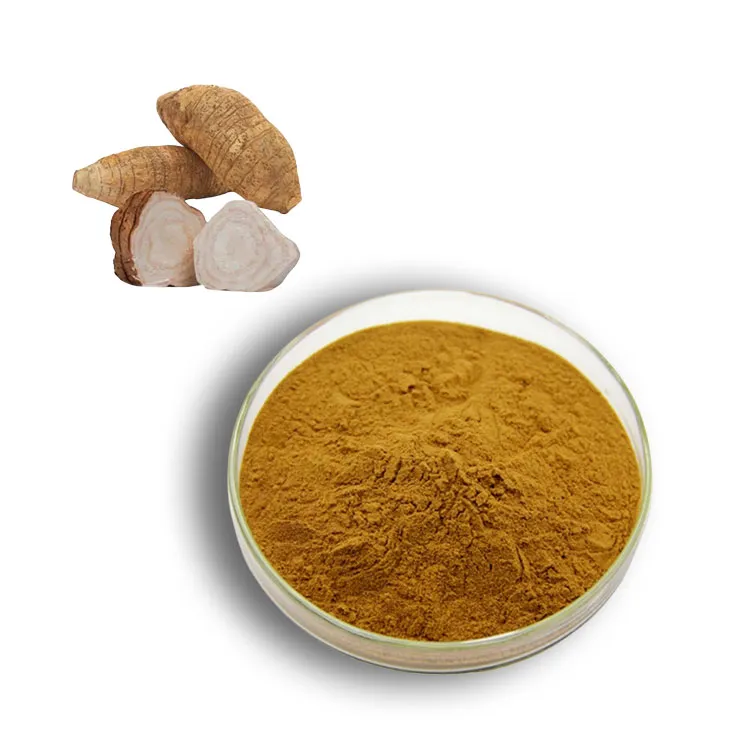
Pueraria Lobata Extract
2026-08-12
-
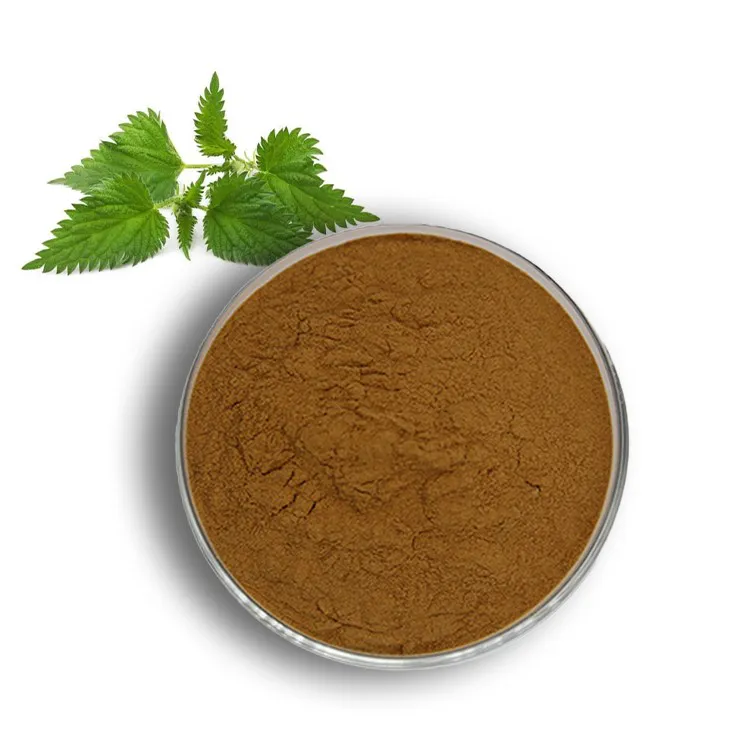
Nettle Root Extract
2026-08-12
-
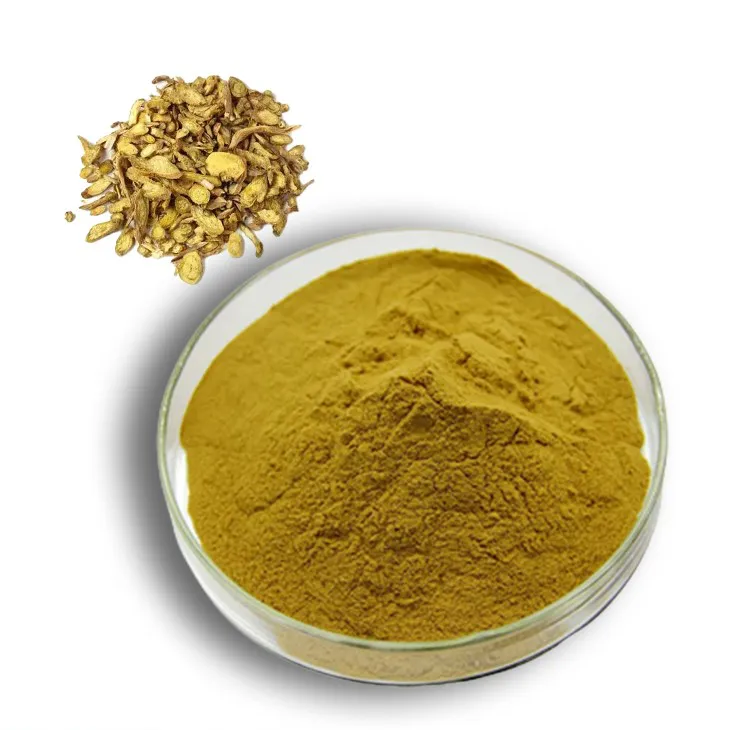
Baicalin
2026-08-12
-
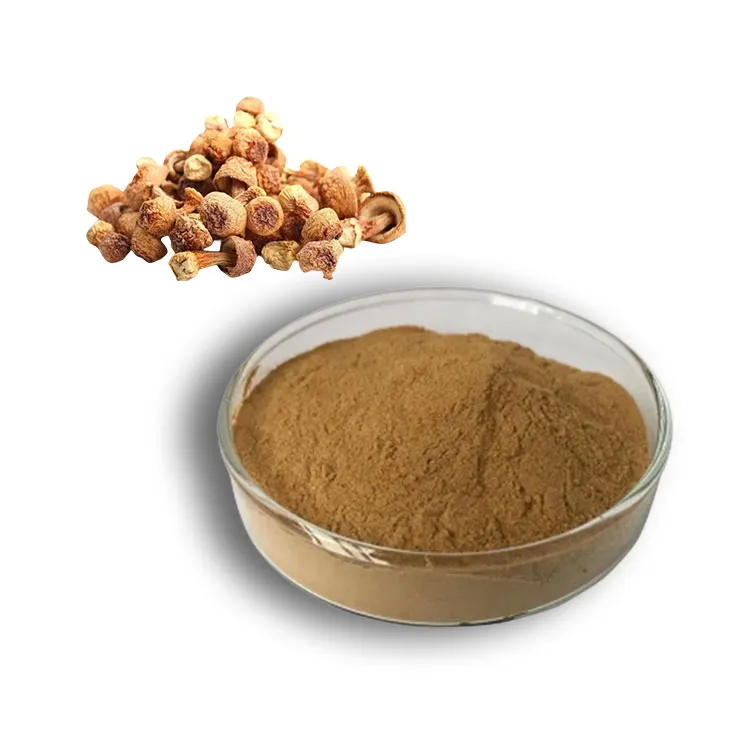
Agaricus Blazei Extract
2026-08-12
-
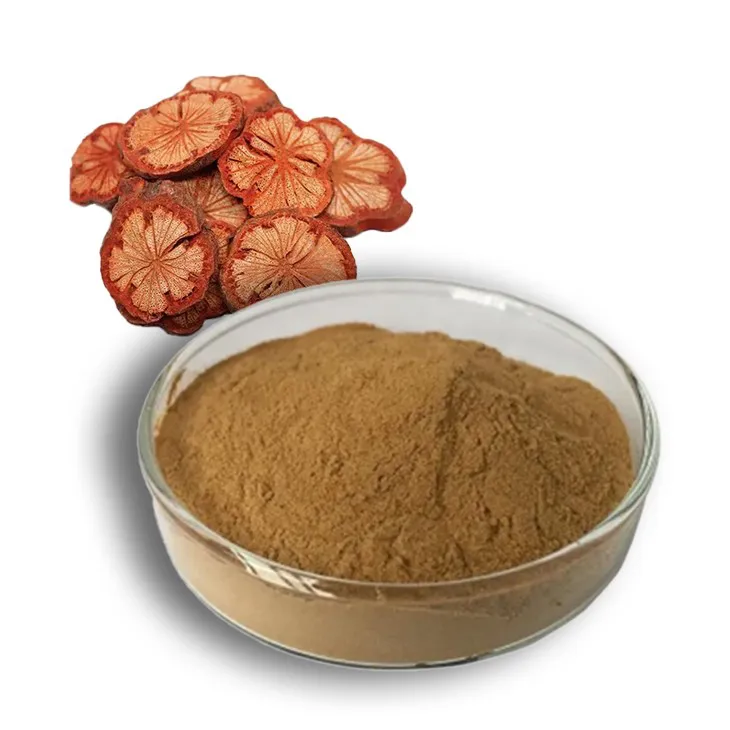
Red Vine Extract
2026-08-12
-
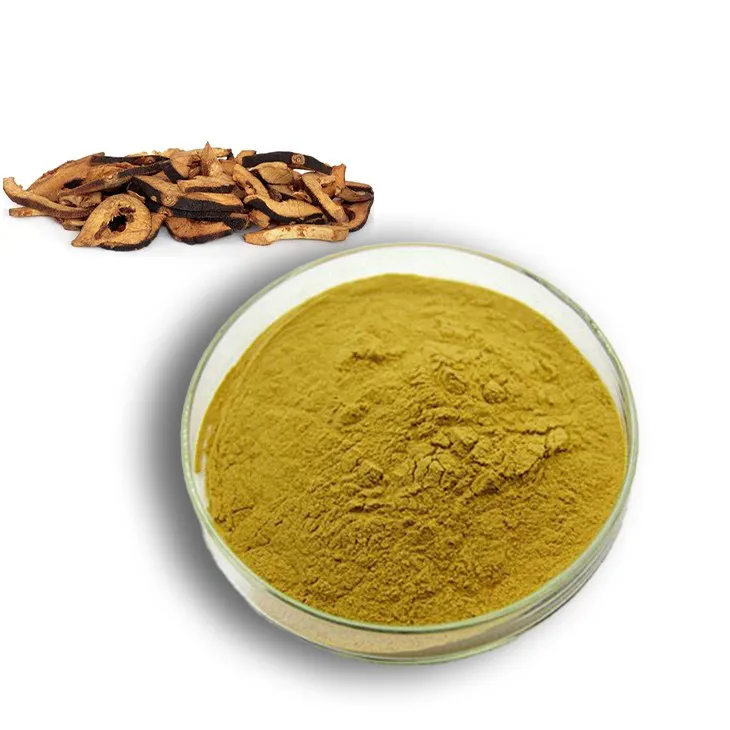
Citrus Aurantium Extract
2026-08-12
-
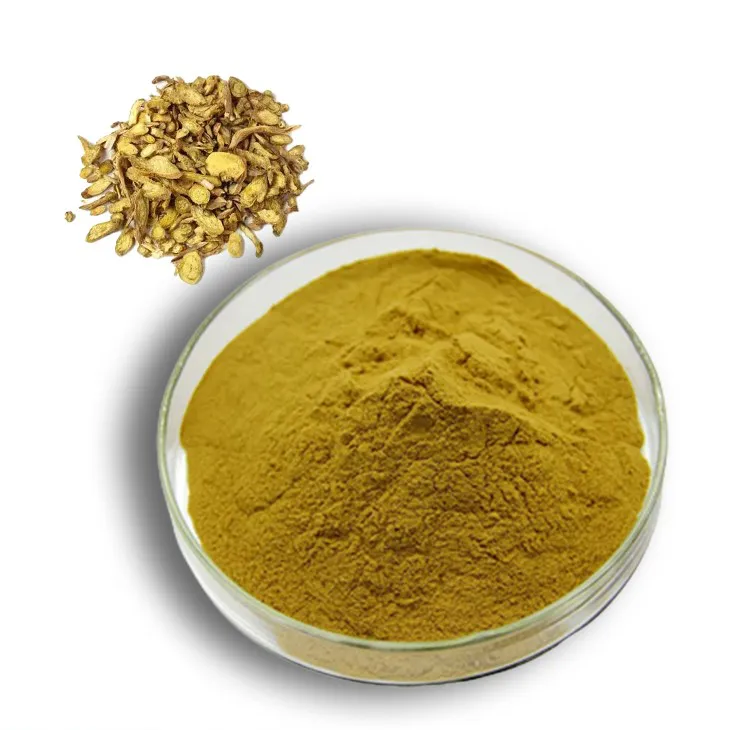
Scutellaria Extract
2026-08-12
-
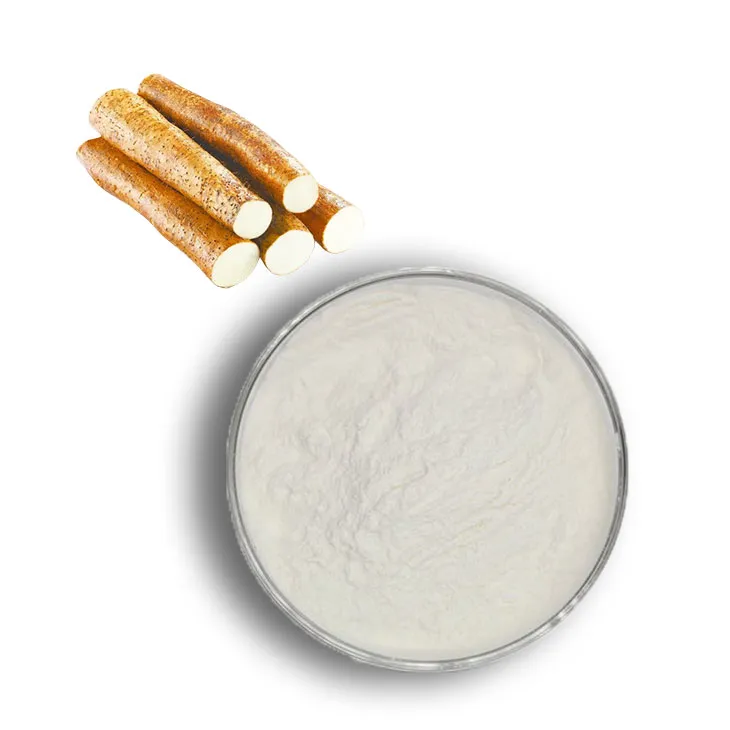
Yam Extract
2026-08-12
-
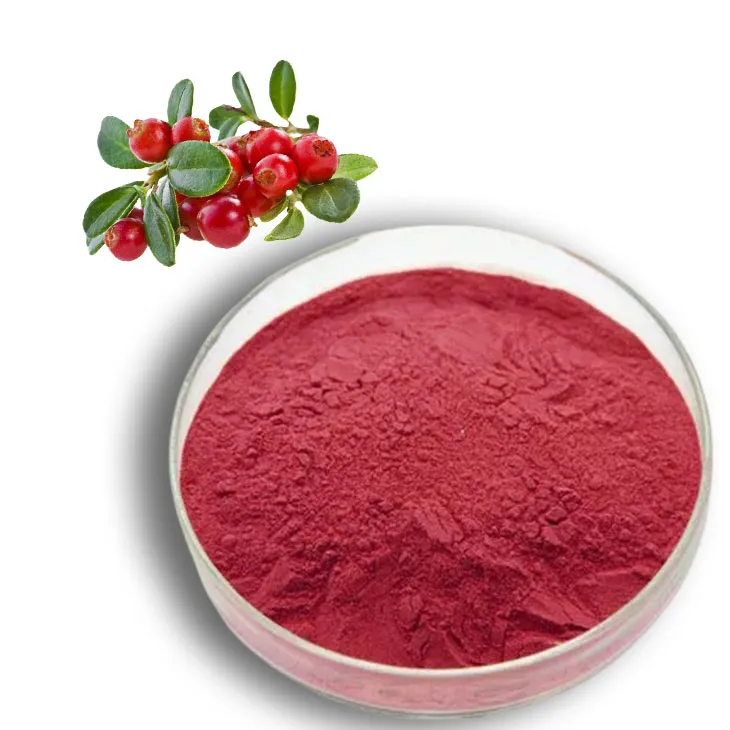
Cranberry Extract
2026-08-12
-
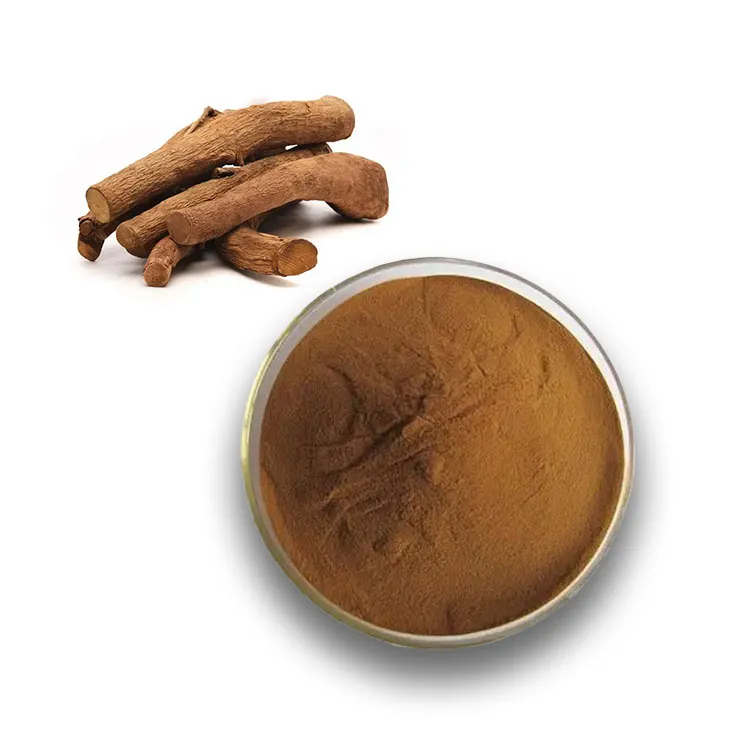
Tongkat Ali Extract Powder
2026-08-12
