- 0086-571-85302990
- [email protected]






How do I estimate a fair plant extract price for a new ingredient?
2026-08-13
When you are introducing a new botanical ingredient to your product line, the first question is rarely "where do I buy it" — it is "what should this cost?" A fair plant extract price is not a random number pulled from a price list. It reflects the raw material, the extraction technology, the degree of standardization, and the volume you buy. If you can understand how each of these factors builds the price, you can negotiate with confidence and avoid both overpaying and falling for suspiciously cheap offers.
This guide walks through the key cost drivers, gives you a simple formula to sanity-check any quotation, and explains what to ask a plant extract supplier before you commit to a new ingredient.
Two suppliers can quote two very different prices for what looks like the same ingredient. Usually the gap is not a mistake — it is the sum of the factors below.
Raw material. The plant itself sets the floor for cost. Which part of the plant is used (root, leaf, flower, or seed), where it is grown, whether it is organically cultivated, and how much plant material is needed to produce one kilogram of extract all matter. A high ratio of raw material to finished extract, such as dozens of kilograms of fresh leaves for a single kilogram of a concentrated product, directly pushes the price upward.
Extraction method. Water extraction, alcohol percolation, and supercritical CO2 extraction deliver very different purity and bioactivity, and they come with very different costs. A gentler, more precise method that preserves sensitive active compounds naturally costs more to run. When a price looks too good to be true, it is often a cheap process that sacrifices potency.
Standardization and purity. A standardized extract with a guaranteed level of an active compound, such as a specified percentage of polyphenols or Curcumin, requires rigorous testing and quality control. Vague labels like "high concentration" mean very little. The more precisely the active compound is quantified, the more testing is involved, and the higher the justified price.
Certifications. Organic certification, Halal, Kosher, GMP, and other credentials add documentation, audits, and ongoing compliance work. These certifications are real costs, and they explain part of the premium on certified ingredients.
Order volume. The more you buy, the lower the per-kilogram price. A drum for a production line costs far less per unit than a small sample for a trial. When you compare quotes, always compare the same quantity.
You do not need an MBA to tell whether a price is fair. A reasonable price follows a basic logic: the cost of the raw plant material divided by the extraction yield, plus processing and testing costs, plus a fair margin. In practice, this means you can estimate a rough range before you even open a quotation.
As a rule of thumb, if a quote sits far below the realistic cost of the raw material and processing, treat it as a warning sign. A rock-bottom price for a high-value active usually points to dilution, substitution, or a low-bioactivity process. Fair pricing is not the same as the cheapest pricing — it is a price consistent with the inputs going in.
Ask the supplier to explain the calculation. A transparent plant extract manufacturers should be able to tell you the raw material source, the yield, the process, and the testing behind the number. If they cannot, the price has no anchor, and neither should your decision.
Beyond the number itself, a handful of questions will tell you whether the price is genuinely fair for your new ingredient.
Request a recent Certificate of Analysis. The COA should name the active compound and its quantified level, not a vague phrase. It should also cover heavy metals, pesticide residues, and microbial counts. This turns a price discussion into a quality discussion.
Ask about the process. Which extraction method is used, and on what equipment? What is the typical yield? The answers explain why the price is what it is — and they reveal whether the supplier is investing in the equipment that protects quality.
Request a sample. A small sample lets you test the extract in your own formulation before you commit to a large order. Most credible suppliers can provide one, and the added confidence is worth far more than the cost of the sample.
Compare three to five quotes. Get prices from several suppliers for the same specification and quantity. This gives you a market range to judge against, and it protects you from paying a premium for no reason.
One of the most reliable ways to get a fair price is to buy closer to the source. A manufacturer that controls research, development, and production in one group can manage costs across the whole chain, rather than stacking a middleman's margin on top. This is why many buyers sourcing china plant extract ingredients prefer to work directly with the factory.
A supplier with a modern production facility — extraction tanks, low-temperature concentrators, spray-drying towers, and an independent laboratory with instruments such as GC and HPLC — can justify its price with data. The presence of a clean production area and meaningful certifications such as ISO22000, BRCGS, SGS-GMP, Halal, and Kosher are practical signals that the price reflects real quality investment rather than shortcuts.
When you evaluate a new ingredient, treat the supplier's own capability as part of the value. A slightly higher per-kilogram price that comes with documented testing, stable supply, and reproducible quality is usually the fair price in the full sense of the word.
✔ The active compound is named and quantified, not described vaguely.
✔ The COA covers safety indicators such as heavy metals and microbes.
✔ The supplier can explain process, yield, and raw material source.
✔ The quote has been compared against two to four other suppliers.
✔ A sample has been tested in your own formulation.
✔ The price is consistent with realistic raw material and processing costs.
Estimating a fair plant extract price for a new ingredient is less about chasing the lowest number and more about understanding what the number is built from. Raw material, extraction method, standardization, certifications, and volume all play a role. Use the simple cost logic above, ask the right questions, and compare across suppliers — then a fair price becomes something you can identify with confidence, not guess at.
TAGS:
- ▶ Hesperidin
- ▶ Citrus Bioflavonoids
- ▶ Plant Extract
- ▶ lycopene
- ▶ Diosmin
- ▶ Grape seed extract
- ▶ Sea buckthorn Juice Powder
- ▶ Fruit Juice Powder
- ▶ Hops Extract
- ▶ Artichoke Extract
- ▶ Mushroom extract
- ▶ Astaxanthin
- ▶ Green Tea Extract
- ▶ Curcumin
- ▶ Horse Chestnut Extract
- ▶ Other Product
- ▶ Boswellia Serrata Extract
- ▶ Resveratrol
- ▶ Marigold Extract
- ▶ Grape Leaf Extract
- ▶ New Product
- ▶ Aminolevulinic acid
- ▶ Cranberry Extract
- ▶ Red Yeast Rice
- ▶ Red Wine Extract
- ▶ blog
-
Baicalin
2026-08-13
-
Rhodiola Rosea Extract
2026-08-13
-
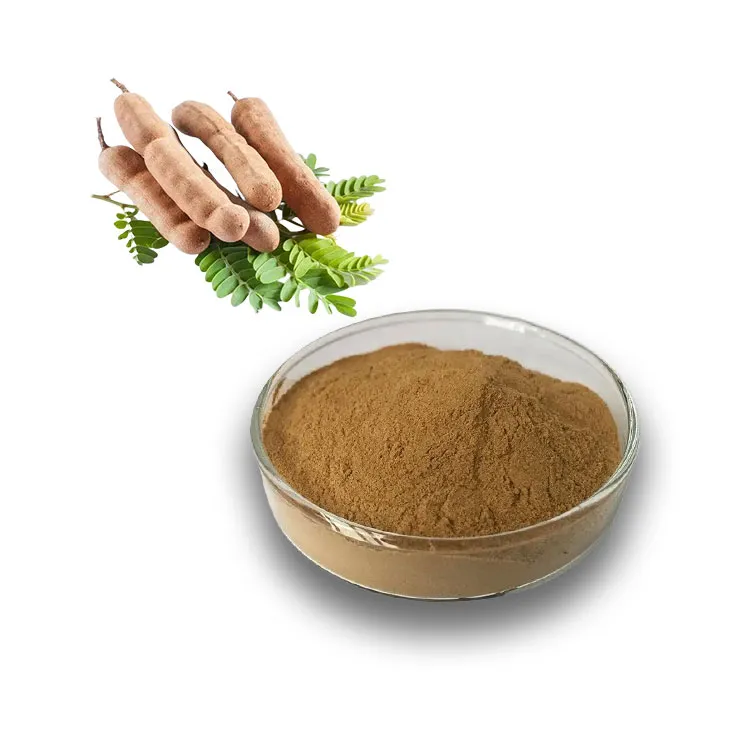
Tamarind extract powder
2026-08-13
-
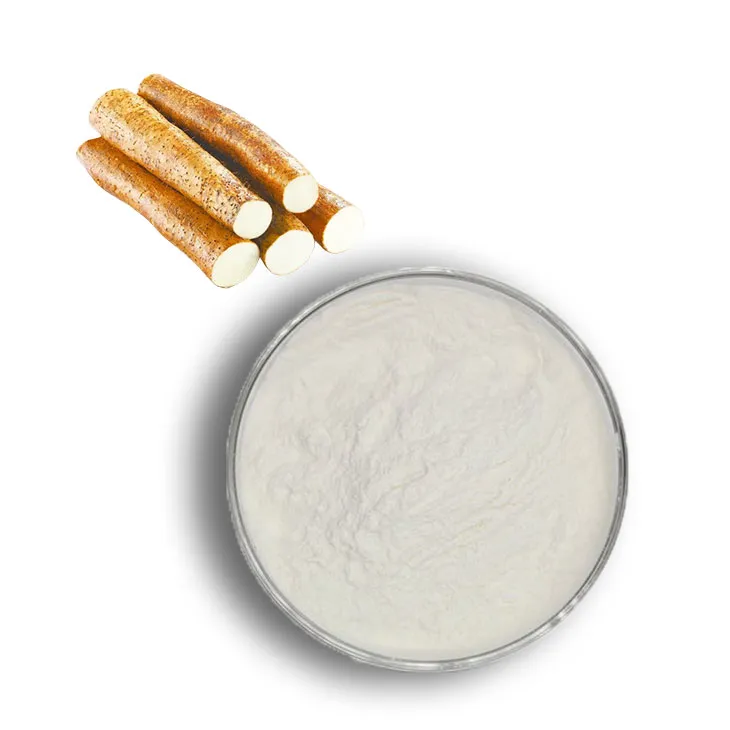
Yam Extract
2026-08-13
-
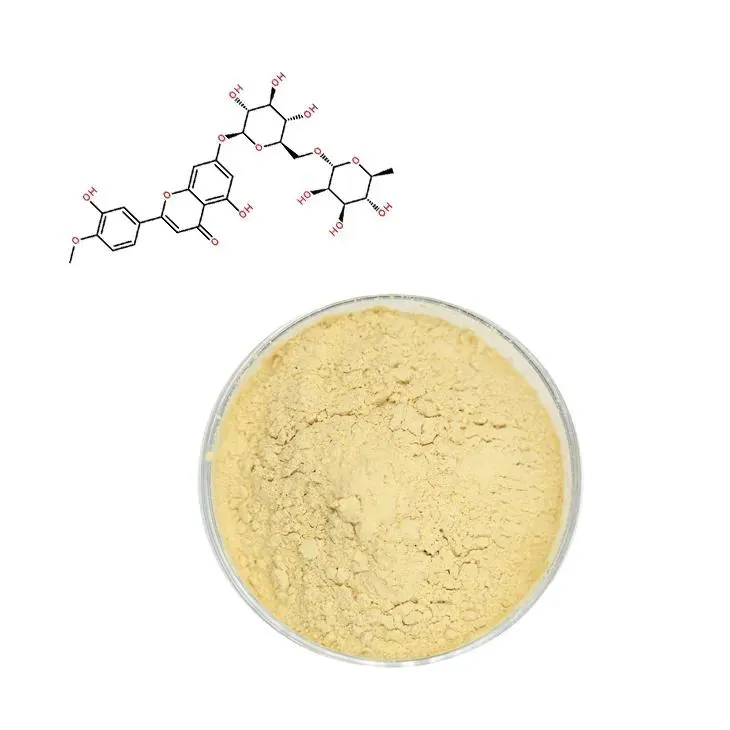
Diosmin
2026-08-13
-
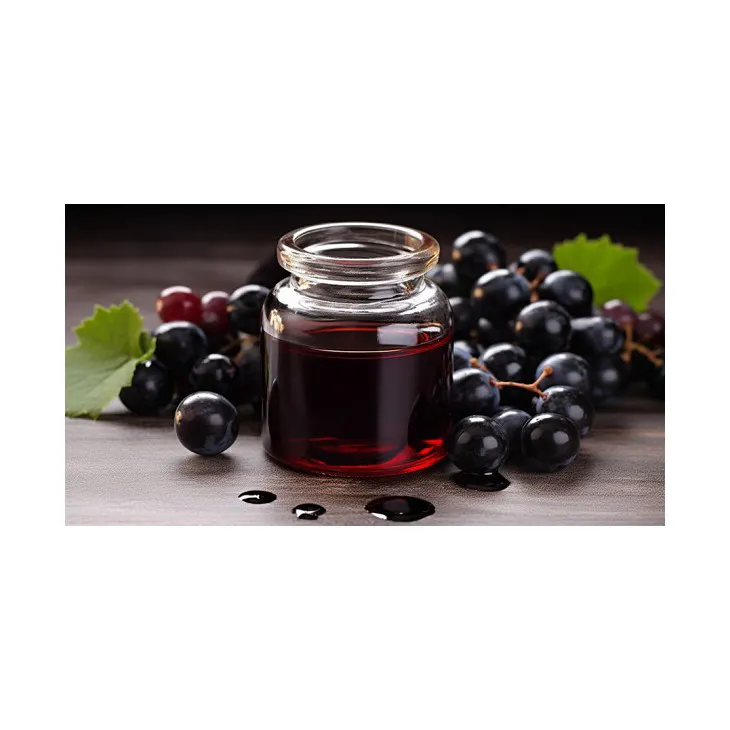
Red Wine Extract
2026-08-13
-
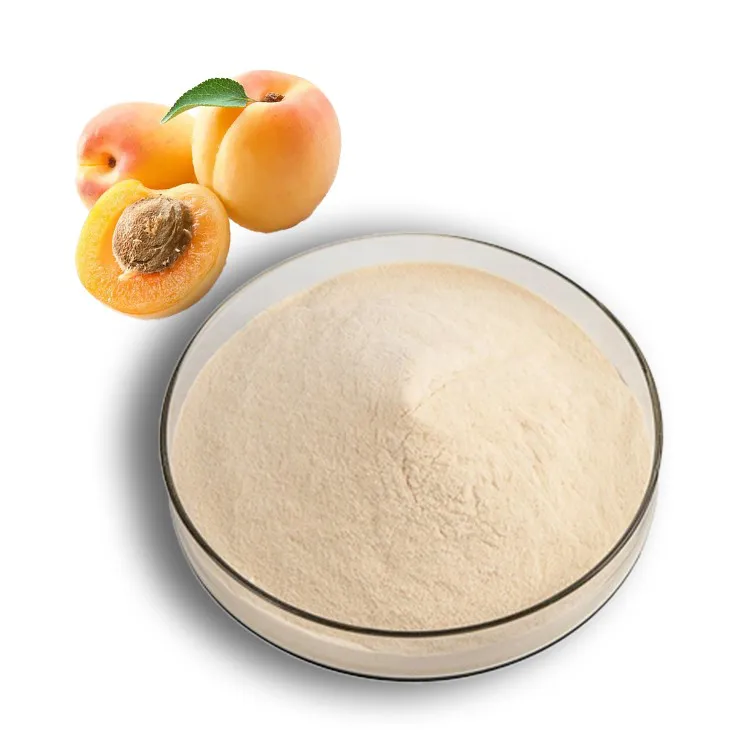
Apricot Powder
2026-08-13
-
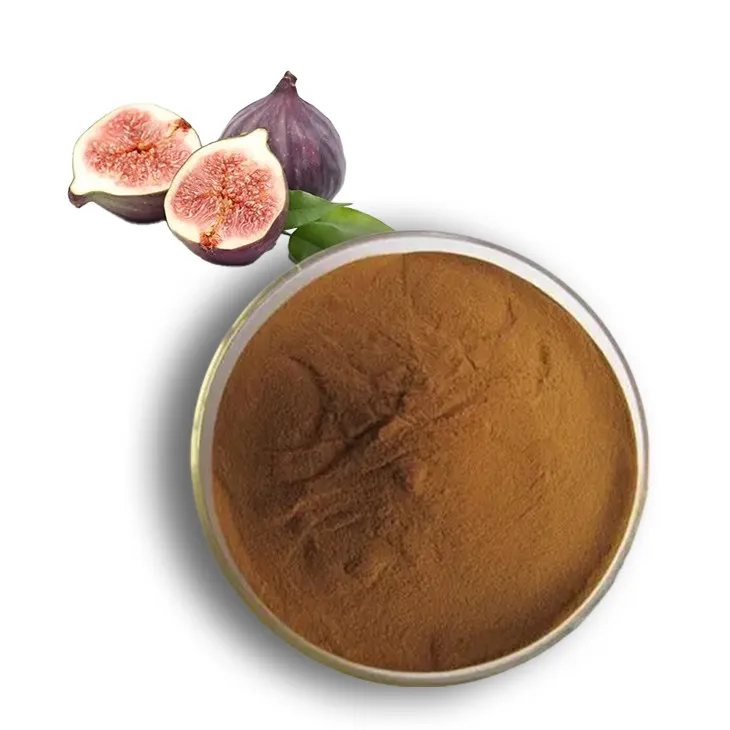
Fig Extract
2026-08-13
-
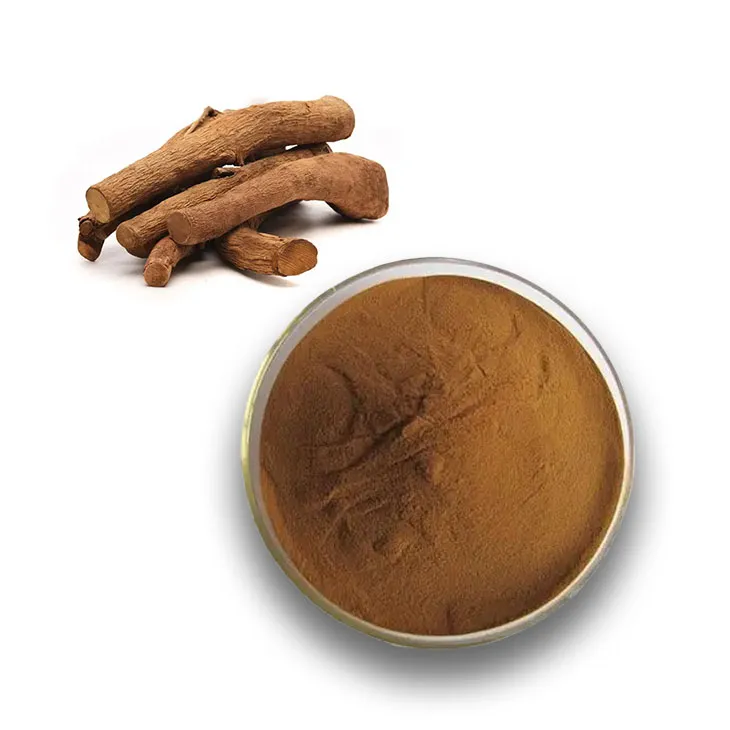
Tongkat Ali Extract
2026-08-13
-
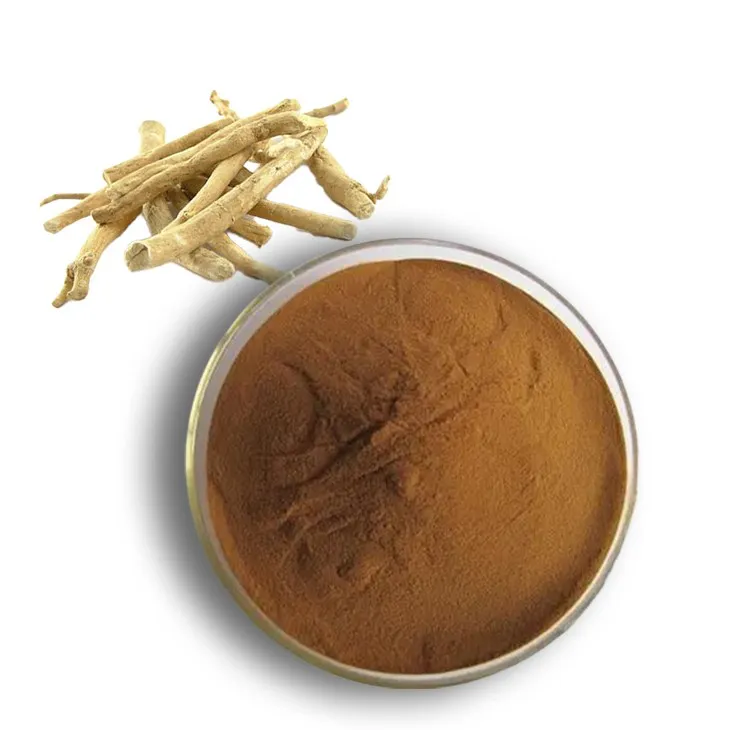
Withania Somnifera Extract
2026-08-13
