- 0086-571-85302990
- [email protected]






How do I choose the best moringa powder for my smoothie?
2026-08-15
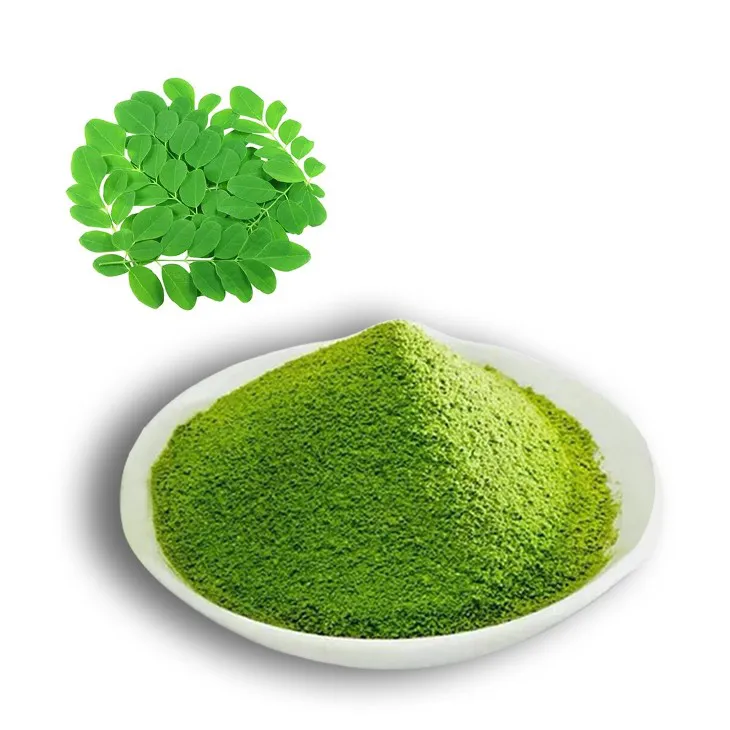
Moringa powder has become a staple in healthy breakfasts, and for good reason. A scoop stirred into a smoothie is one of the simplest ways to add vitamins, minerals and antioxidants to your day. But the green powder you choose makes a real difference. Not all moringa is ground the same way, dried the same way, or tested to the same standard. If you are asking how to choose the best moringa powder for your smoothie, this guide walks through what actually matters.
Start with the color and the grind
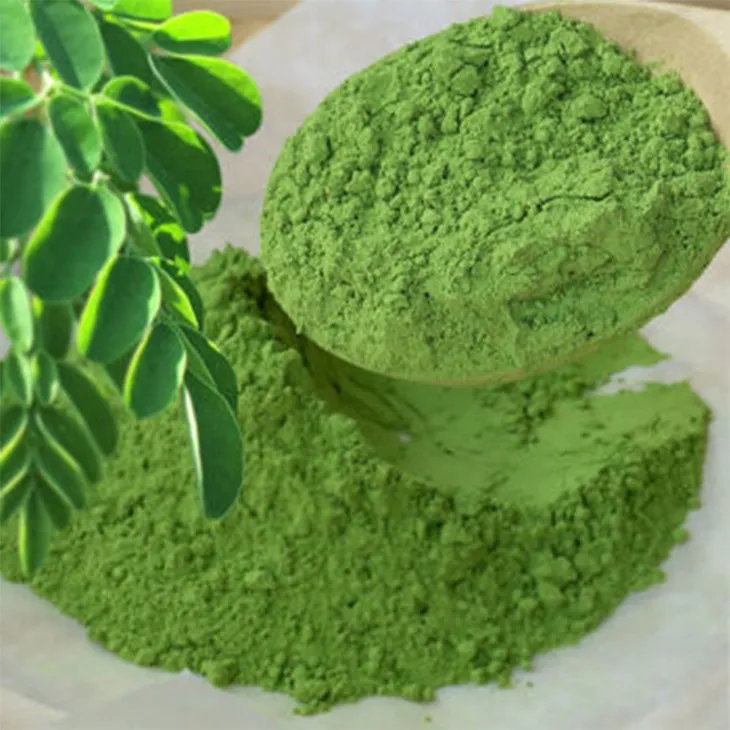
A high-quality moringa leaf powder should be a bright, vivid green. Dull brown or grey tones usually mean the leaves were exposed to too much heat or stored poorly, which can reduce the nutrient content. Fineness matters too. A fine, even grind dissolves and mixes into a smoothie far more easily than a coarse powder, which tends to clump and leave a gritty mouthfeel. If your goal is a creamy, clump-free drink, look for a finely milled powder that blends cleanly with liquids.
Check how the leaves were dried and processed
The drying method is one of the biggest quality signals. Leaves dried at low temperature in the shade tend to keep more of their natural color and nutrients than those dried at high heat. Gentle, low-temperature processing helps preserve the delicate compounds that make moringa valuable. Powders that are steam treated for safety may look slightly less bright, but the color change does not affect safety. What you want to avoid is a powder that has been heavily heated, which can drain both color and nutritional value.
Look at the ingredient list and purity
The cleanest Moringa powder has a single ingredient: moringa leaves. Watch out for fillers, flow agents or added colors that some producers mix in to stretch the product. If you prefer moringa leaf powder organic, check that the certification actually appears on the label and that the supplier can back it up with documentation. A powder that is free of stems and other plant parts also blends more smoothly and tastes cleaner.
Ask about testing and certifications
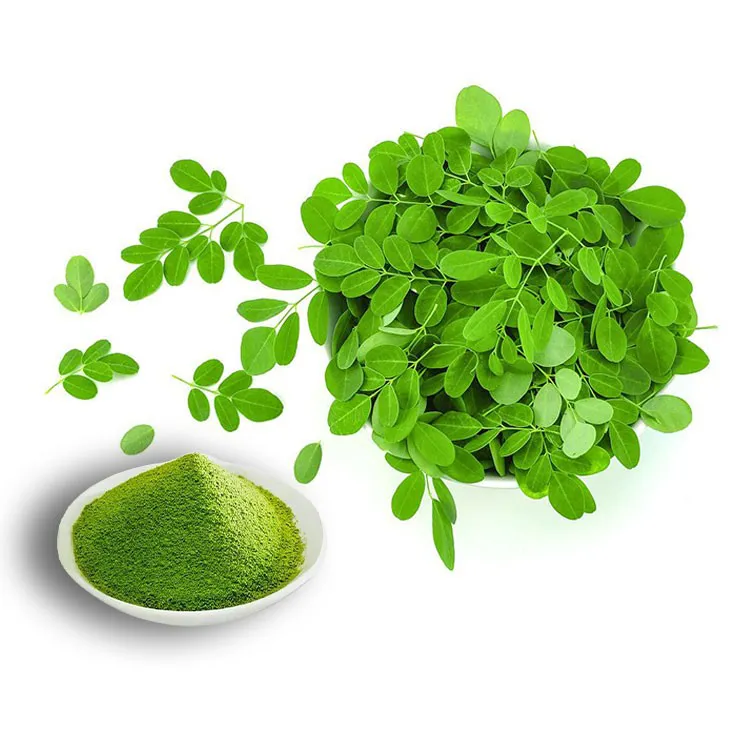
For a food you add to smoothies every day, independent testing gives real peace of mind. A trustworthy source should be able to provide lab reports covering purity, heavy metals, microbial safety and pesticide residues. Certifications such as ISO, HALAL, Kosher and organic standards are useful signals that the product was made in a controlled, food-grade environment. When you buy from a moringa powder supplier, asking for these documents is completely reasonable and a good sign if they are offered without hesitation.
Why tightened quality control matters for smoothies
Smoothies are a bit unforgiving. Unlike a capsule or a tablet, a powder goes straight into your mouth in a visible, tasting form, so texture, color and flavor are immediately obvious. A fine, clean, low-heat powder makes a smoothie taste fresh and mix without clumping, while a coarse, dark, over-processed powder can ruin the drink in seconds. Choosing a supplier that controls quality from leaf to finished powder is the most reliable way to get a consistent, great-tasting result every time.
Quick checklist before you buy:
- Bright green color and a fine, even grind
- Low-temperature, shade-dried leaves
- Single-ingredient powder with no fillers
- Lab reports for purity, heavy metals and microbes
- Recognized certifications such as ISO, HALAL or Kosher
- Documentation the supplier can actually show
A few practical tips for a better smoothie
Start with a small amount, about half a teaspoon, and work up slowly until you find a level you enjoy. Moringa has a naturally grassy, green taste, so fruits like banana, mango or pineapple help balance it. Blend the powder with the liquid first before adding ice, which reduces clumping. And drink the smoothie soon after blending, because the vitamin C and antioxidants in moringa degrade when exposed to air and light over time.
Choosing the best Moringa powder for your smoothie comes down to a few clear signals: bright color, fine grind, gentle drying, a clean ingredient list, and solid testing and certification. When a supplier can back its powder with real documentation and controlled, food-grade production, you can blend with confidence.
- ▶ Hesperidin
- ▶ Citrus Bioflavonoids
- ▶ Plant Extract
- ▶ lycopene
- ▶ Diosmin
- ▶ Grape seed extract
- ▶ Sea buckthorn Juice Powder
- ▶ Fruit Juice Powder
- ▶ Hops Extract
- ▶ Artichoke Extract
- ▶ Mushroom extract
- ▶ Astaxanthin
- ▶ Green Tea Extract
- ▶ Curcumin
- ▶ Horse Chestnut Extract
- ▶ Other Product
- ▶ Boswellia Serrata Extract
- ▶ Resveratrol
- ▶ Marigold Extract
- ▶ Grape Leaf Extract
- ▶ New Product
- ▶ Aminolevulinic acid
- ▶ Cranberry Extract
- ▶ Red Yeast Rice
- ▶ Red Wine Extract
- ▶ blog
-
Chaga Mushroom Extract
2026-08-15
-
Tinospora cordifolia extract
2026-08-15
-
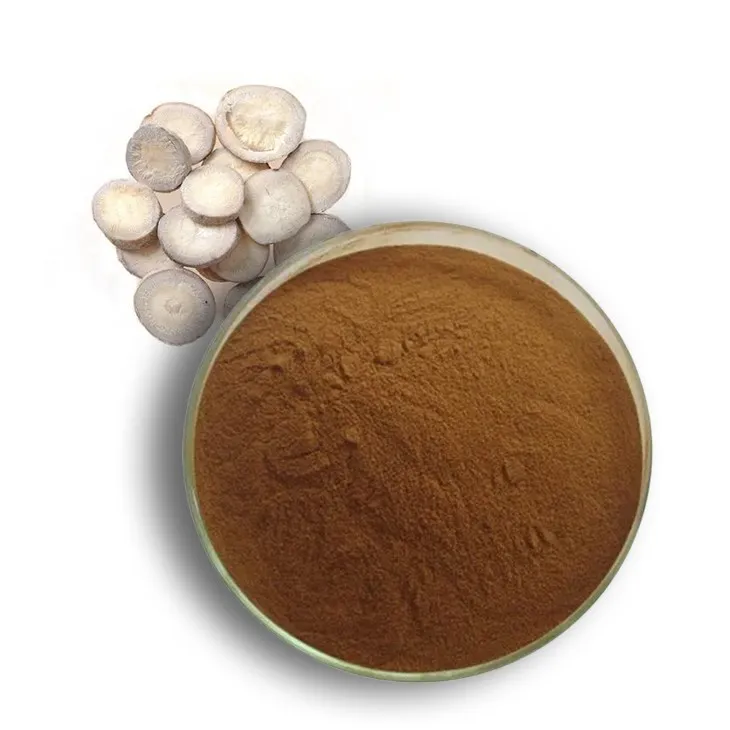
White Peony Extract
2026-08-15
-
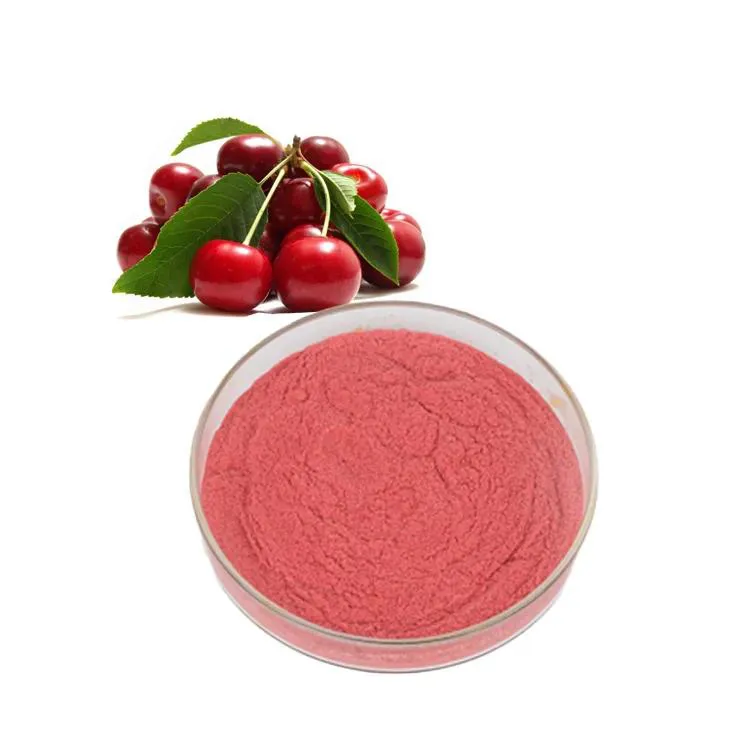
Acerola Juice Powder
2026-08-15
-
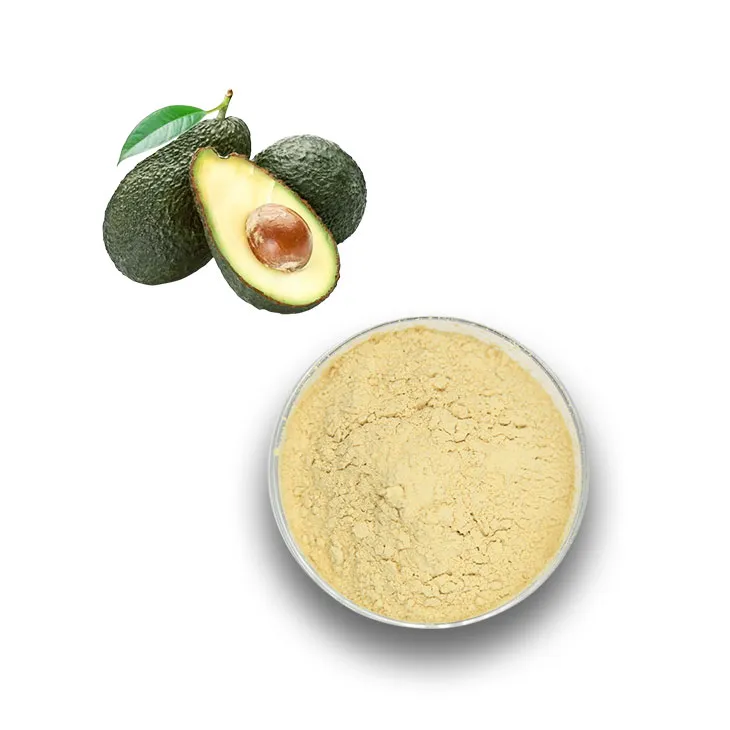
Avocado Extract Powder
2026-08-15
-
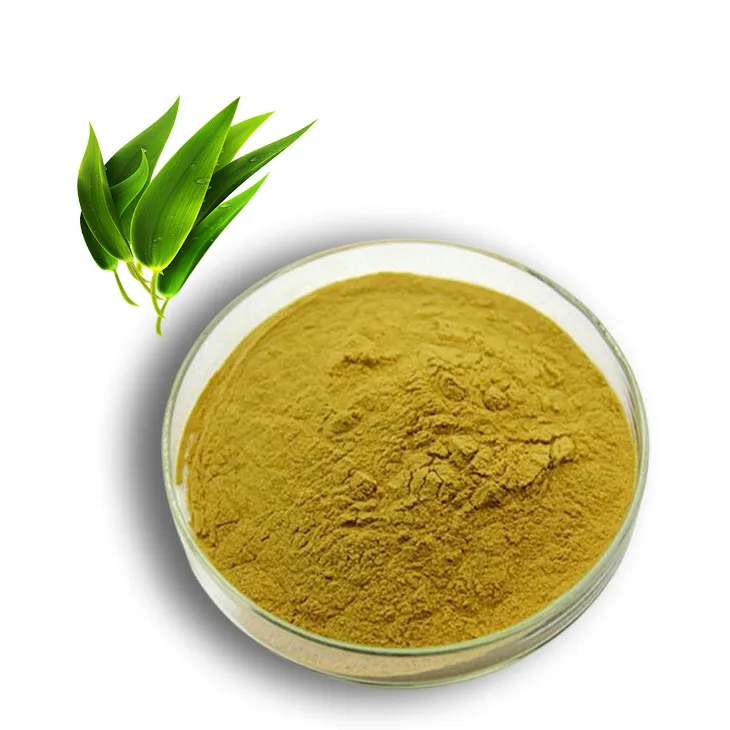
Bamboo Leaf extract
2026-08-15
-
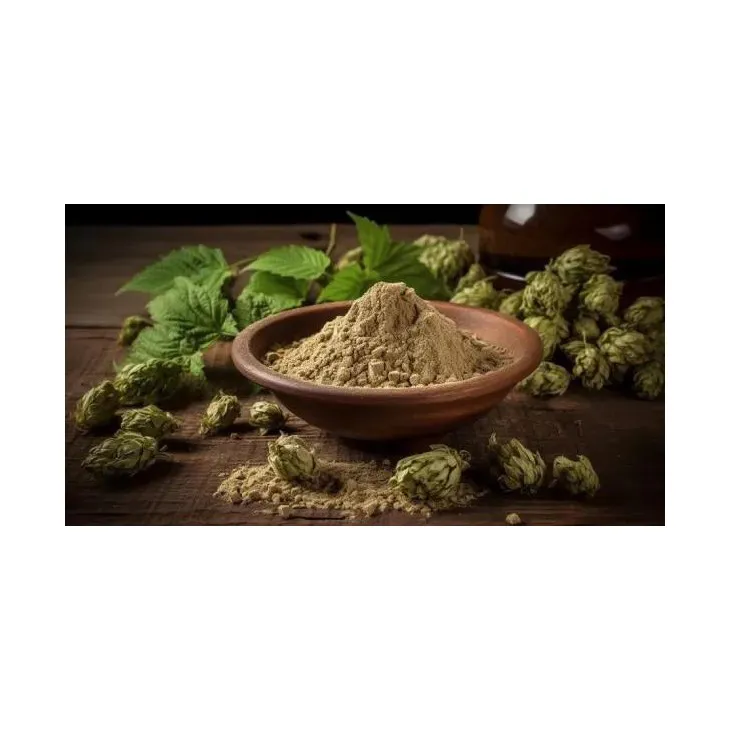
Uridine-5'-monophosphate Disodium salt
2026-08-15
-
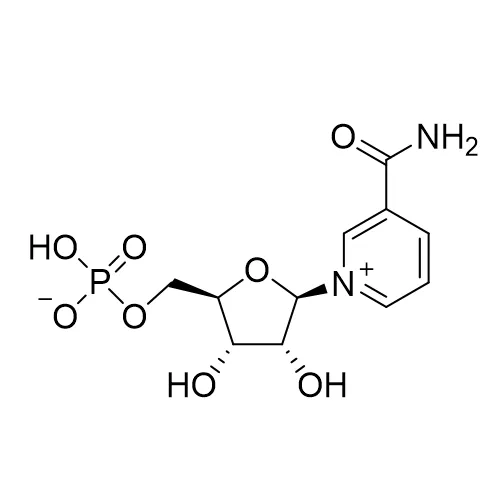
Liposomal NMN
2026-08-15
-
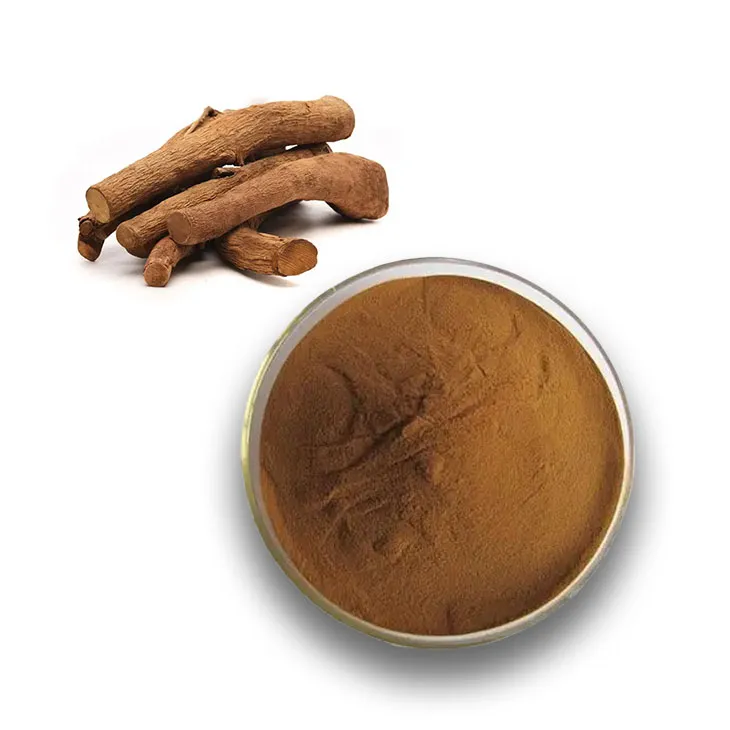
Tongkat Ali Extract
2026-08-15
-
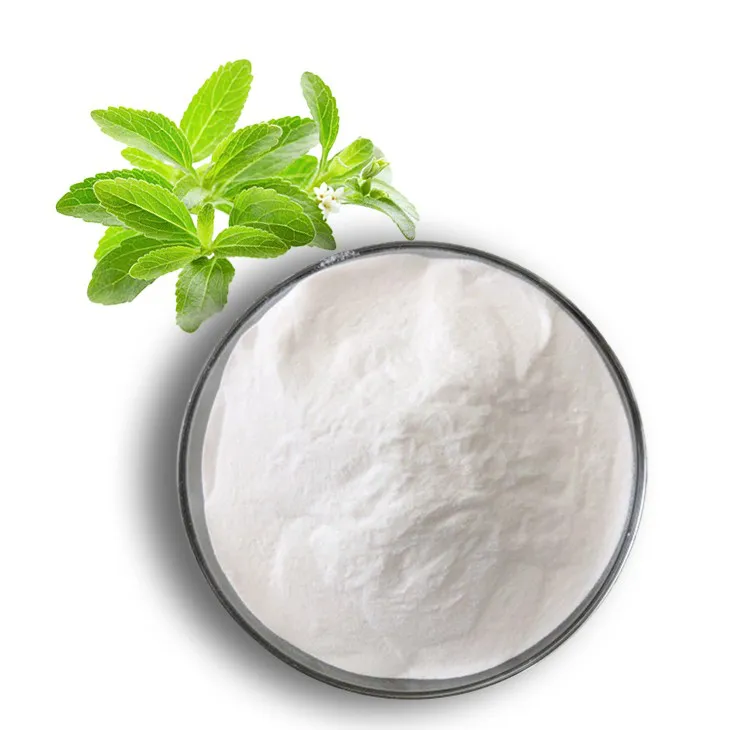
Stevia Extract
2026-08-15
