- 0086-571-85302990
- [email protected]




Purple Yam Powder: Complete Buyer's Guide 2026 — Benefits, Applications & Quality Sourcing
2026-10-29
Table of Contents
Purple yam powder (Dioscorea alata), also known as ube powder, has emerged as a premium functional ingredient in the global food, beverage, and dietary supplement markets. Its vibrant natural purple color — driven by anthocyanins — combined with a rich nutritional profile including resistant starch, dietary fiber, and essential minerals, makes it highly attractive for formulators across multiple product categories. This comprehensive guide covers everything B2B buyers need to know about sourcing, testing, and formulating with premium purple yam powder.
1. What Is Purple Yam Powder and How Is It Produced?
Q: What is purple yam powder and how is it produced?
Purple yam powder is a finely milled, dehydrated form of Dioscorea alata (commonly known as ube). The production process involves:
Step 1 — Raw Material Selection: Premium purple yam tubers are selected based on color intensity, maturity, and absence of damage. Deep purple flesh indicates higher anthocyanin content.
Step 2 — Washing & Peeling: Tubers are thoroughly washed to remove soil and debris, then peeled to remove the brown outer skin.
Step 3 — Slicing: Peeled tubers are sliced uniformly (2-5mm thickness) to ensure consistent drying.
Step 4 — Drying: Two primary methods are used:
Freeze-drying (lyophilization): Preserves up to 95% of anthocyanins and heat-sensitive nutrients. Premium quality, higher cost.
Hot-air drying: More economical but may reduce heat-sensitive compounds by 20-40%. Still widely used for food applications.
Step 5 — Milling & Sieving: Dried slices are ground to 80-120 mesh for food-grade powder, then sieved for uniform particle size.
Step 6 — Packaging: Sealed in moisture-barrier, light-protective packaging.
Premium-grade powder has moisture content below 8%, vibrant purple color, and a mild sweet, nutty flavor.
2. Key Nutritional Components
Per 100g of typical purple yam powder:
| Nutrient | Typical Amount | Function |
|---|---|---|
| Complex Carbohydrates | 70-80g | Primary energy; 15-25% resistant starch |
| Dietary Fiber | 8-12g | Prebiotic; digestive health |
| Anthocyanins | 50-200mg | Potent antioxidants; natural purple color |
| Potassium | 800-1,000mg | Cardiovascular health; fluid balance |
| Vitamin C | 10-20mg | Antioxidant; immune support |
| Vitamin B6 | 0.2-0.3mg | Energy metabolism |
| Manganese | 0.3-0.5mg | Enzyme cofactor; bone health |
| Protein | 1-2g | Contains essential amino acids |
| Allantoin | Trace | Cell regeneration; skin soothing |
3. Health Benefits of Purple Yam Powder
Research and traditional use support several health benefits:
Gut Health & Prebiotic Effects
The resistant starch (15-25% of total carbs) resists digestion in the small intestine and reaches the colon intact, feeding beneficial bacteria like Bifidobacterium and Lactobacillus. These ferment it into short-chain fatty acids (SCFAs) — particularly butyrate — which nourish colon cells and support gut barrier integrity.
Blood Sugar Management
Resistant starch has a significantly lower glycemic index than regular starch. Studies on Dioscorea species show their unique starch composition produces a more gradual blood glucose response, making purple yam powder favorable for blood sugar-conscious formulations.
Antioxidant Protection
The anthocyanins — primarily cyanidin and delphinidin derivatives — are powerful antioxidants that neutralize free radicals and reduce oxidative stress markers linked to chronic diseases.
Anti-Inflammatory Properties
Both anthocyanins and diosgenin (a steroidal sapogenin found in yams) exhibit anti-inflammatory effects in laboratory and animal studies, potentially modulating inflammatory pathways.
Cardiovascular Support
High potassium supports healthy blood pressure regulation, while dietary fiber contributes to healthy cholesterol levels.
4. Common Applications
| Product Category | Usage Level | Primary Function |
|---|---|---|
| Functional beverages | 2-5% | Color, nutrition, mild sweetness |
| Bakery (breads, cakes, cookies) | 5-15% of flour | Natural purple color, flavor |
| Confectionery (gummies, candies) | 3-10% | Colorant, functional ingredient |
| Dairy alternatives | 3-8% | Color, flavor, creaminess |
| Snack bars & energy bars | 10-20% | Binding, nutrition, color |
| Dietary supplement capsules | 500-2,000mg/serving | Functional ingredient |
| Infant & toddler foods | 3-10% | Gentle nutrition, natural color |
| Premium pet food | 1-5% | Natural colorant, functional fiber |
5. Purple Yam vs Purple Sweet Potato
Q: What's the difference between purple yam and purple sweet potato?
| Feature | Purple Yam (Dioscorea alata) | Purple Sweet Potato (Ipomoea batatas) |
|---|---|---|
| Botanical family | Dioscoreaceae (yam) | Convolvulaceae (morning glory) |
| Texture | Firmer, drier | Softer, moister |
| Flavor | Subtle, nutty | Sweeter, earthier |
| Resistant starch | Higher (15-25%) | Lower (5-10%) |
| Total sugars | Lower | Higher |
| Anthocyanins | Cyanidin, delphinidin | Peonidin, cyanidin derivatives |
For B2B, the higher resistant starch and lower sugar of purple yam make it better suited for low-sugar and blood sugar-conscious formulations.
6. Storage & Shelf Life
Temperature: Below 25°C (77°F); refrigeration for opened packages
Humidity: Below 60% — powder is hygroscopic
Light: Opaque packaging to protect anthocyanins from UV degradation
Shelf life: 18-24 months unopened; 3-6 months after opening
7. Quality Tests to Request
| Test | Acceptable Range | Method |
|---|---|---|
| Moisture content | ≤ 8% | AOAC 925.10 |
| Anthocyanin content | ≥ 50mg/100g | pH differential / HPLC |
| Particle size | 80-120 mesh | Sieve analysis |
| Total plate count | ≤ 10,000 CFU/g | AOAC 990.12 |
| Lead (Pb) | ≤ 0.5 mg/kg | ICP-MS |
| Cadmium (Cd) | ≤ 0.1 mg/kg | ICP-MS |
| Pesticide residues | Per target market | GC-MS / LC-MS |
8. Typical Dosage & Usage Levels
Beverages: 10-25g per serving (2-5% by weight)
Bakery: 5-15% of total flour weight
Snack bars: 10-20% of dry ingredients
Supplements: 500-2,000mg per serving
Ice cream: 3-8% by weight
Always conduct pilot trials — the high starch content affects viscosity and texture.
9. Special Dietary Suitability
Purple yam powder is naturally: Vegan & Vegetarian · Gluten-Free · Dairy-Free · Non-GMO · Kosher & Halal eligible · Paleo-friendly · Low glycemic index
10. GreenSky Bio Quality Assurance
Sourcing Premium Purple Yam Powder
GreenSky Bio offers high-quality purple yam powder with:
GAP-compliant farm sourcing · Freeze-dried or controlled hot-air drying
Full COA per batch (ISO 17025 labs) · GMP-certified processing with HACCP
Custom particle size, organic certification, private label
Year-round supply with technical support
Contact our team for specifications, samples, and competitive pricing.
- ▶ Hesperidin
- ▶ Citrus Bioflavonoids
- ▶ Plant Extract
- ▶ lycopene
- ▶ Diosmin
- ▶ Grape seed extract
- ▶ Sea buckthorn Juice Powder
- ▶ Fruit Juice Powder
- ▶ Hops Extract
- ▶ Artichoke Extract
- ▶ Mushroom extract
- ▶ Astaxanthin
- ▶ Green Tea Extract
- ▶ Curcumin
- ▶ Horse Chestnut Extract
- ▶ Other Product
- ▶ Boswellia Serrata Extract
- ▶ Resveratrol
- ▶ Marigold Extract
- ▶ Grape Leaf Extract
- ▶ New Product
- ▶ Aminolevulinic acid
- ▶ Cranberry Extract
- ▶ Red Yeast Rice
- ▶ Red Wine Extract
- ▶ blog
-
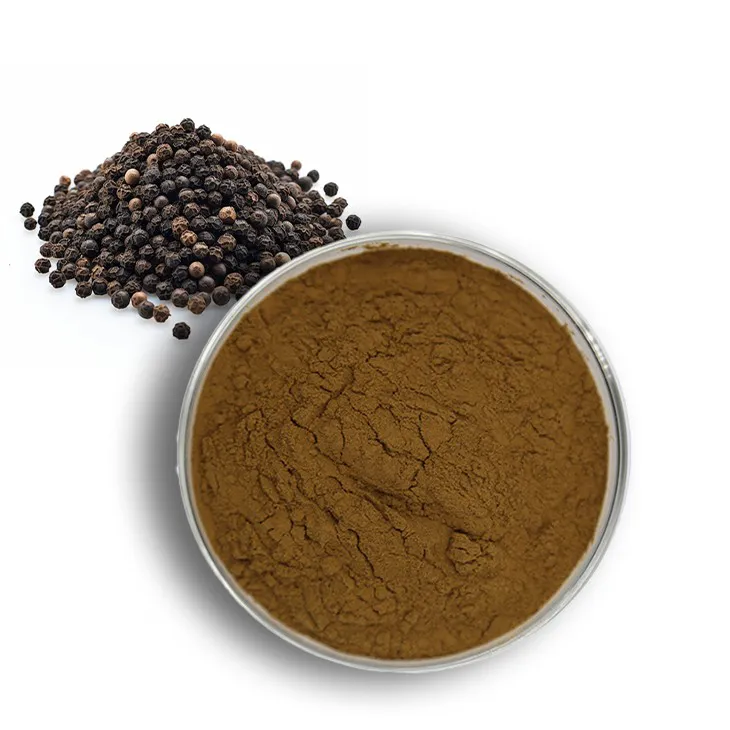
Black Pepper Extract
2026-10-29
-
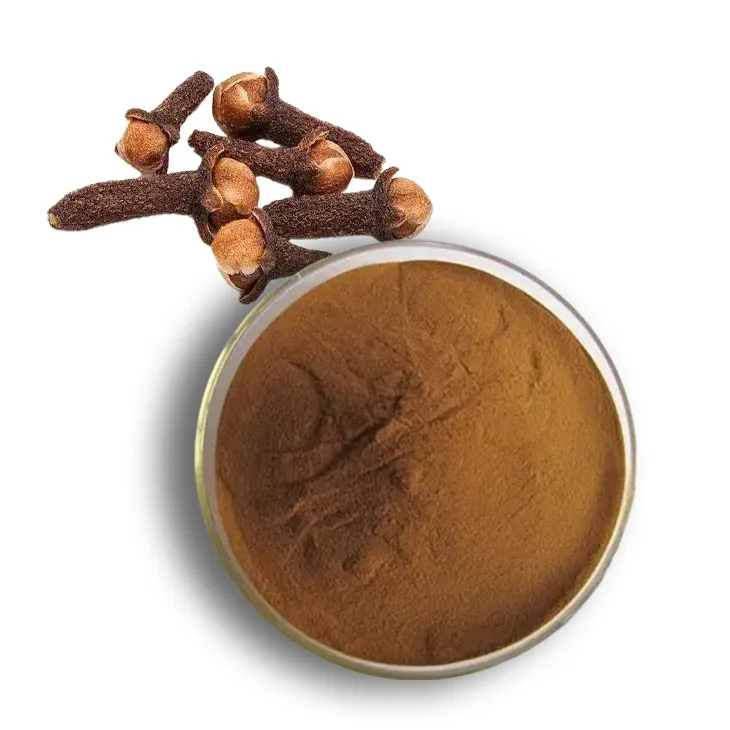
Clove Powder
2026-10-29
-
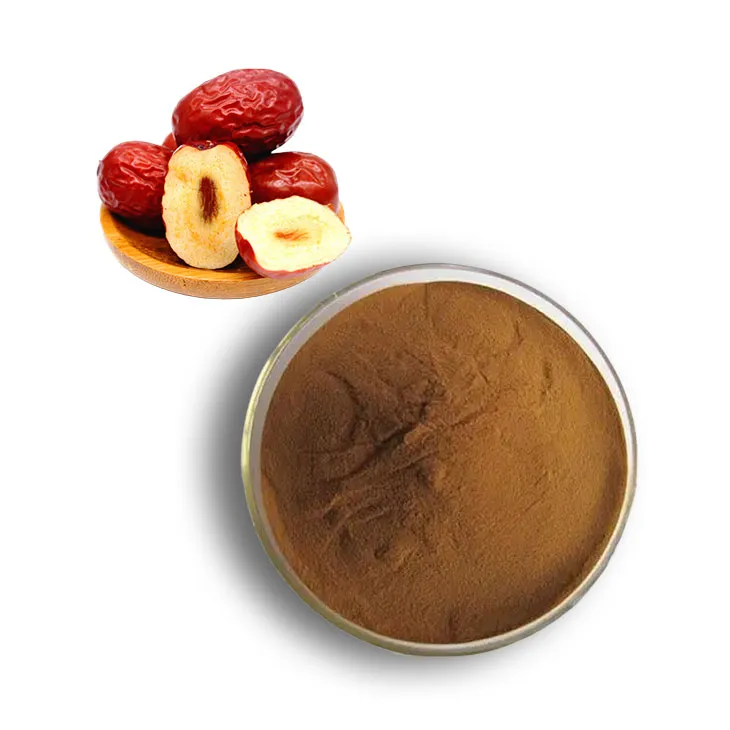
Red Date Extract
2026-10-29
-
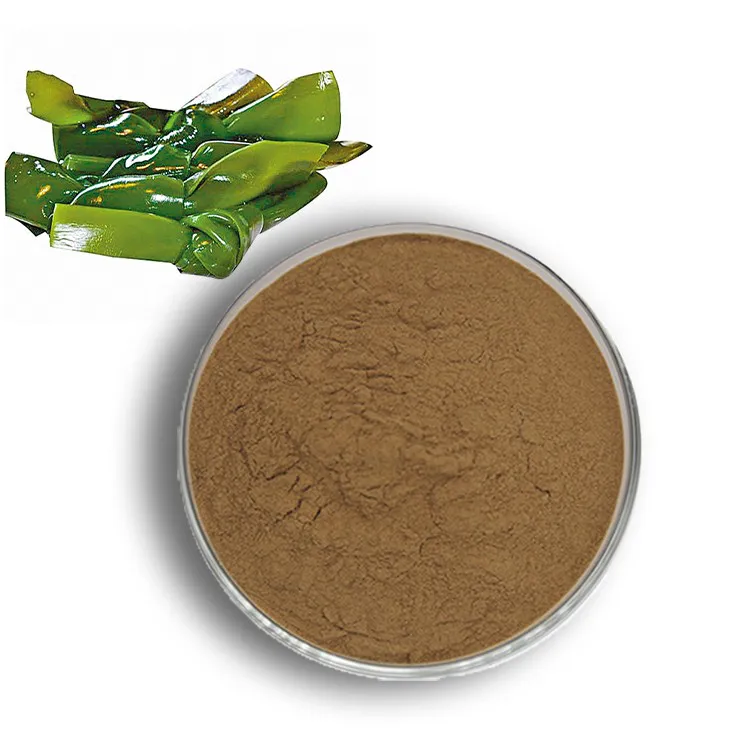
Kelp Extract Powder
2026-10-29
-
Plantain extract
2026-10-29
-
Thunder God Vine Extract
2026-10-29
-
Ivy Extract
2026-10-29
-
White mustard seed extract
2026-10-29
-
Phyllanthus Emblica Extract
2026-10-29
-
Lemon Balm Extract
2026-10-29