- 0086-571-85302990
- [email protected]





Liposomal Berberine HCl
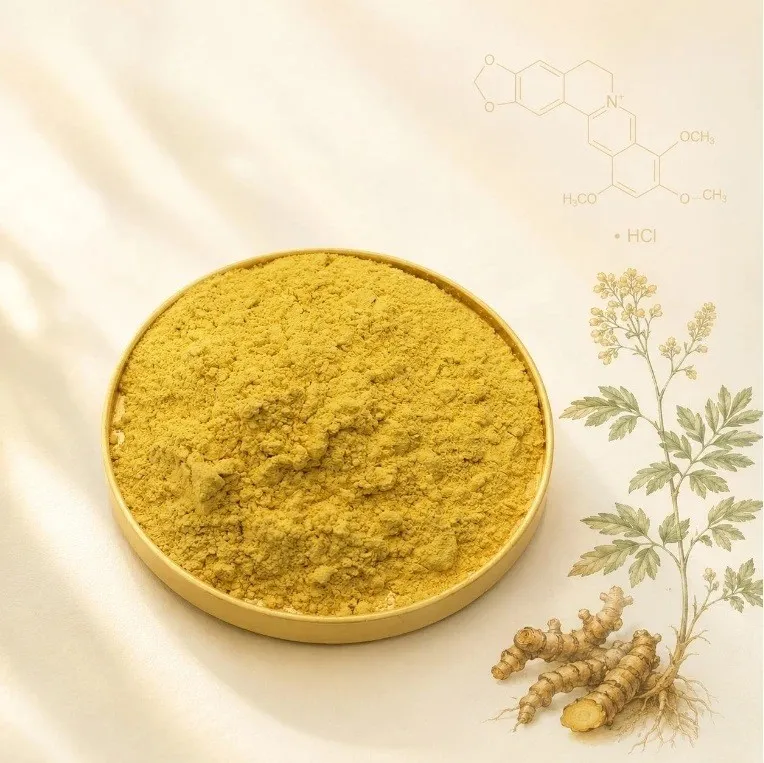
Introduction
Berberine Hydrochloride has been one of the most clinically validated natural compounds for metabolic health, with hundreds of published studies demonstrating its effects on blood sugar regulation, lipid metabolism, and gut microbiome health. However, like many powerful plant-derived alkaloids, conventional berberine suffers from notoriously poor oral bioavailability. Enter Liposomal Berberine HCl — an advanced delivery technology that encapsulates berberine molecules within phospholipid vesicles, dramatically improving absorption while reducing the gastrointestinal discomfort often associated with high-dose berberine supplementation. In this comprehensive guide, we explore the science behind liposomal berberine, its expanded application potential, and what to look for in a premium-grade supplier.
Part 1: What Is Liposomal Berberine HCl?
Understanding Berberine
| Parameter | Detail |
|---|---|
| Chemical Name | Berberine Hydrochloride |
| Molecular Formula | C₂₀H₁₈ClNO₄ |
| Molecular Weight | 371.81 g/mol |
| CAS Number | 633-65-8 |
| Category | Isoquinoline Alkaloid |
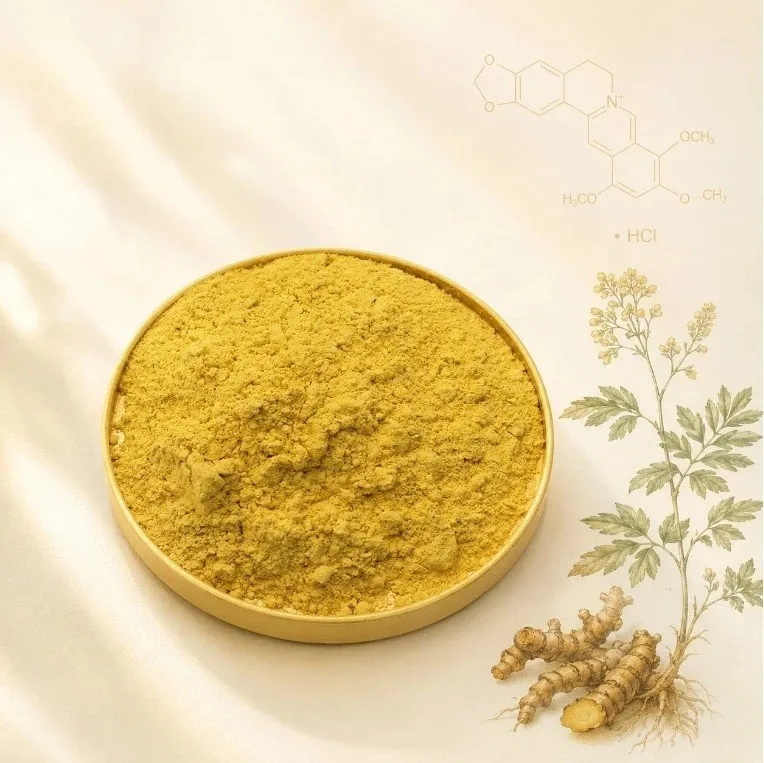
| Natural Sources | Berberis aristata (Indian Barberry), Coptis chinensis (Goldthread), Hydrastis canadensis (Goldenseal), Phellodendron amurense (Amur Cork Tree) |
Berberine is a bioactive isoquinoline alkaloid found in several medicinal plants used across traditional medicine systems worldwide. In Traditional Chinese Medicine (TCM), berberine-containing herbs like Huanglian (Coptis) and Huangbai (Phellodendron) have been used for over 2,000 years for their "heat-clearing" properties. In Ayurveda, Daruharidra (Berberis aristata) has been a cornerstone herb for metabolic and digestive health.
Modern science has identified berberine's primary mechanism of action through activation of AMPK (Adenosine Monophosphate-Activated Protein Kinase) — often described as the body's "metabolic master switch." AMPK activation triggers a cascade of metabolic effects including enhanced glucose uptake, improved insulin sensitivity, increased fatty acid oxidation, and mitochondrial biogenesis.
The Bioavailability Challenge
Despite its impressive clinical track record, conventional berberine HCl faces significant pharmacokinetic limitations:
Poor intestinal absorption: Berberine is a substrate for P-glycoprotein (P-gp) efflux transporters, which actively pump it back into the intestinal lumen, limiting systemic absorption.
Extensive first-pass metabolism: Berberine undergoes rapid hepatic metabolism, further reducing circulating levels.
Low oral bioavailability: Studies have estimated the oral bioavailability of conventional berberine HCl to be less than 1%, meaning only a tiny fraction of the ingested dose reaches systemic circulation.
GI side effects: High doses (typically 1,500–2,000 mg/day of conventional berberine) are often required to achieve therapeutic effects, frequently causing gastrointestinal discomfort including bloating, constipation, and abdominal cramping.
The Liposomal Solution
Liposomal Berberine HCl addresses these challenges through phospholipid encapsulation:
Protection from efflux: The phospholipid bilayer shields berberine from P-glycoprotein recognition, allowing more of the compound to be absorbed through the intestinal epithelium.
Enhanced permeability: Liposomes can fuse with cell membranes or be endocytosed by intestinal cells, delivering berberine directly into the cellular environment — bypassing the absorption barriers that limit conventional berberine.
Reduced GI irritation: Encapsulation minimizes direct contact between free berberine and the gastrointestinal mucosa, significantly reducing the incidence of GI side effects.
Sustained release: The liposomal matrix provides controlled release, maintaining more stable berberine levels over time compared to the rapid peak-and-trough pattern of conventional formulations.
Research on liposomal delivery systems for berberine has demonstrated 2–4 times higher plasma concentrations compared to equivalent doses of conventional berberine HCl, while allowing for lower effective dosing and improved tolerability.
Product Specifications
Our Liposomal Berberine HCl product is manufactured using advanced phospholipid encapsulation technology:
Parameter Specification Product Name Liposomal Berberine Hydrochloride Active Content (Berberine HCl) 40% Lipid Matrix Sunflower Lecithin / Soy Phospholipids Appearance Yellow to brownish fine powder Liposome Size 80–250 nm (DLS) Encapsulation Efficiency ≥ 80% Purity (Berberine HCl) 97%+ (HPLC) Mesh Size 80–100 mesh (customizable) Loss on Drying ≤ 5.0% Heavy Metals Compliant with USP/EP limits Microbiological Total Plate Count < 1,000 CFU/g; Yeast & Mold < 100 CFU/g Shelf Life 24 months (stored in a cool, dry place, sealed)
Part 2: Core Benefits & Mechanisms of Action
1. Blood Sugar Regulation & Insulin Sensitivity
Berberine's most extensively documented effect is its ability to support healthy blood sugar levels. Multiple clinical trials and meta-analyses have demonstrated that berberine supplementation can:
Reduce fasting blood glucose: A meta-analysis of 27 clinical trials published in the Journal of Ethnopharmacology found that berberine supplementation significantly reduced fasting blood glucose levels in patients with type 2 diabetes (Journal of Ethnopharmacology, 2012).
Improve insulin sensitivity: Berberine activates AMPK, which enhances insulin receptor expression and improves cellular glucose uptake — effects comparable to the pharmaceutical drug metformin in some clinical studies.
Lower HbA1c: Several trials have shown reductions in glycated hemoglobin (HbA1c) of 0.5–1.0 percentage points with berberine supplementation.
Mechanism: Berberine activates AMPK → AMPK phosphorylation inhibits hepatic gluconeogenesis → reduced glucose production by the liver → enhanced glucose transporter (GLUT4) translocation to cell membranes → improved cellular glucose uptake → lower circulating blood glucose.
2. Lipid Metabolism & Cardiovascular Support
Berberine has demonstrated significant effects on lipid metabolism through multiple pathways:
LDL cholesterol reduction: Berberine upregulates LDL receptor (LDLR) expression in the liver by stabilizing LDLR mRNA — a mechanism distinct from statins. A meta-analysis published in Metabolism confirmed berberine's significant LDL-lowering effects (Metabolism, 2012).
Triglyceride reduction: AMPK activation promotes fatty acid oxidation, reducing circulating triglyceride levels.
HDL modulation: Berberine has been shown to modestly increase HDL cholesterol in some studies.
Endothelial health: Berberine supports nitric oxide (NO) production in endothelial cells, promoting healthy vasodilation and blood pressure regulation.
3. Gut Microbiome Modulation
Berberine's effects on the gut microbiome represent one of its most exciting areas of research. Studies have shown that berberine:
Increases beneficial bacteria: Promotes the growth of Akkermansia muciniphila and Faecalibacterium prausnitzii — both associated with improved metabolic health and reduced inflammation.
Reduces pathogenic overgrowth: Exhibits selective antimicrobial activity against harmful bacteria while sparing beneficial commensal species.
Improves gut barrier function: Supports intestinal tight junction integrity, reducing intestinal permeability ("leaky gut") — a key factor in systemic inflammation and metabolic dysfunction.
4. Anti-Inflammatory & Antioxidant Effects
Berberine modulates inflammatory pathways through multiple mechanisms:
NF-κB inhibition: Suppresses the activation of nuclear factor kappa-B, a master regulator of inflammatory gene expression.
NLRP3 inflammasome modulation: Inhibits NLRP3 inflammasome assembly, reducing the production of pro-inflammatory cytokines (IL-1β, IL-18).
Antioxidant activity: Enhances endogenous antioxidant enzyme activity (SOD, catalase, glutathione peroxidase) and reduces oxidative stress markers.
5. Weight Management Support
Through its combined effects on metabolism, berberine supports healthy weight management:
AMPK activation promotes fatty acid oxidation and reduces lipid synthesis
Improved insulin sensitivity reduces fat storage signaling
Gut microbiome modulation may influence energy harvest and appetite regulation
Brown adipose tissue activation: Some research suggests berberine may promote browning of white adipose tissue, increasing energy expenditure
Part 3: Wide-Ranging Applications
Dietary Supplements & Nutraceuticals
Liposomal Berberine HCl is ideal for premium metabolic health supplements:
Capsules & Tablets: With improved bioavailability, effective dosing can be achieved at 200–600 mg per serving of liposomal berberine — significantly lower than the 1,500–2,000 mg/day required for conventional berberine.
Softgels: Liposomal powder can be suspended in oil-based softgel formulations for enhanced stability and consumer convenience.
Liquid supplements: The liposomal liquid form is ideal for sublingual drops and liquid shots, offering faster absorption.
Functional Foods & Beverages
Metabolic health beverages: Added to functional drinks targeting blood sugar management and metabolic wellness.
Weight management formulations: Combined with Green Tea Extract, garcinia cambogia, and other metabolic-support ingredients.
Gut health products: Leveraging berberine's microbiome-modulating effects in prebiotic/probiotic combination formulas.
Cosmetics & Personal Care
Emerging applications in topical formulations:
Anti-aging skincare: Berberine's antioxidant and anti-inflammatory properties make it a valuable active ingredient in cosmeceutical serums and creams.
Acne care: Berberine's antimicrobial and anti-inflammatory effects are being explored in topical acne treatment formulations.
Scalp health: Supporting scalp microbiome balance and reducing inflammation in hair care products.
Animal Nutrition
Livestock health: Berberine is used as a natural growth promoter and gut health support agent in poultry and swine nutrition.
Pet supplements: Metabolic support and digestive health supplements for dogs and cats.
Research & Clinical Applications
Clinical trials: As a standardized AMPK activator in metabolic health studies.
Pharmaceutical research: Investigating berberine's role in combination therapies for metabolic syndrome.
Integrative medicine protocols: As part of comprehensive metabolic optimization and diabetes management programs.
Part 4: Key Factors in Choosing Premium Liposomal Berberine HCl
1. Encapsulation Quality
Encapsulation efficiency: ≥ 80% ensures that the majority of berberine is protected within liposomes, not merely blended with phospholipids.
Particle size distribution: Consistent liposome size (80–250 nm) ensures predictable absorption and stability.
Phospholipid source: Premium products use food-grade phospholipids with consistent fatty acid profiles and verified sourcing.
2. Berberine Purity & Source
Purity verification: 97%+ berberine HCl confirmed by HPLC.
Botanical source transparency: Berberine can be sourced from multiple plants (Berberis aristata, Coptis chinensis, Phellodendron amurense). The source can affect the profile of accompanying alkaloids and the sustainability profile.
Alkaloid profiling: Full alkaloid profile testing to confirm berberine content and identify any co-extracted alkaloids (palmatine, jatrorrhizine, columbamine).
3. Third-Party Testing & Certifications
Comprehensive quality testing should include:
HPLC assay for berberine content and alkaloid profiling
Heavy metals (Pb, As, Cd, Hg)
Residual solvent analysis
Microbiological testing (TAMC, TYMC, E. coli, Salmonella)
GMP manufacturing certification
4. Form Flexibility
A capable supplier should offer:
Spray-dried powder for capsule/tablet manufacturing
Liquid concentrate for liquid supplement formulations
Custom berberine concentrations to meet specific formulation requirements
Part 5: About us
As a science-driven enterprise specializing in botanical extracts and advanced delivery technologies, we offers premium Liposomal Berberine HCl manufactured with rigorous quality standards:
Advanced Liposomal Technology: Our proprietary phospholipid encapsulation process achieves high encapsulation efficiency (≥ 80%) with consistent particle size distribution, ensuring superior bioavailability over conventional berberine.
Flexible Sourcing: We source berberine from multiple botanical sources (Berberis aristata, Coptis chinensis) to ensure consistent supply and competitive pricing.
Vertical Integration: From raw material sourcing through liposomal encapsulation to finished product, we control every step of the manufacturing process.
Custom Solutions: We offer customized liposomal berberine formulations — including different berberine concentrations, phospholipid sources, and physical forms (liquid or powder) — to meet your specific product development needs.
Full Documentation: Complete COA, stability data, and regulatory support documentation provided with every order.
R&D Partnership: Our technical team works closely with your formulation scientists to optimize liposomal berberine integration into your final product.
Our Liposomal Berberine HCl at a Glance:
Feature Our Advantage Berberine Content 40% (liposomal powder) Encapsulation Efficiency ≥ 80% Liposome Size 80–250 nm Purity 97%+ (HPLC) Form Options Spray-dried powder / Liquid concentrate MOQ Flexible — from 1 kg for trials Lead Time 7–15 business days Certifications GMP, ISO 22000
Conclusion & Call to Action
Liposomal Berberine HCl represents a significant evolution in berberine supplementation — combining the clinically validated metabolic health benefits of berberine with advanced liposomal delivery technology for dramatically improved bioavailability, lower effective dosing, and reduced gastrointestinal side effects. Whether you're developing a metabolic health supplement, a weight management formula, or a functional beverage, our Liposomal Berberine HCl provides the quality and consistency your brand demands.
Interested in Liposomal Berberine HCl? Contact our team today for:
Latest pricing and volume discounts
Free sample for testing and evaluation
Complete technical documentation and COA
Custom formulation consultation
Our technical specialists are ready to support your product development with expert guidance on liposomal berberine integration, dosing optimization, and regulatory compliance